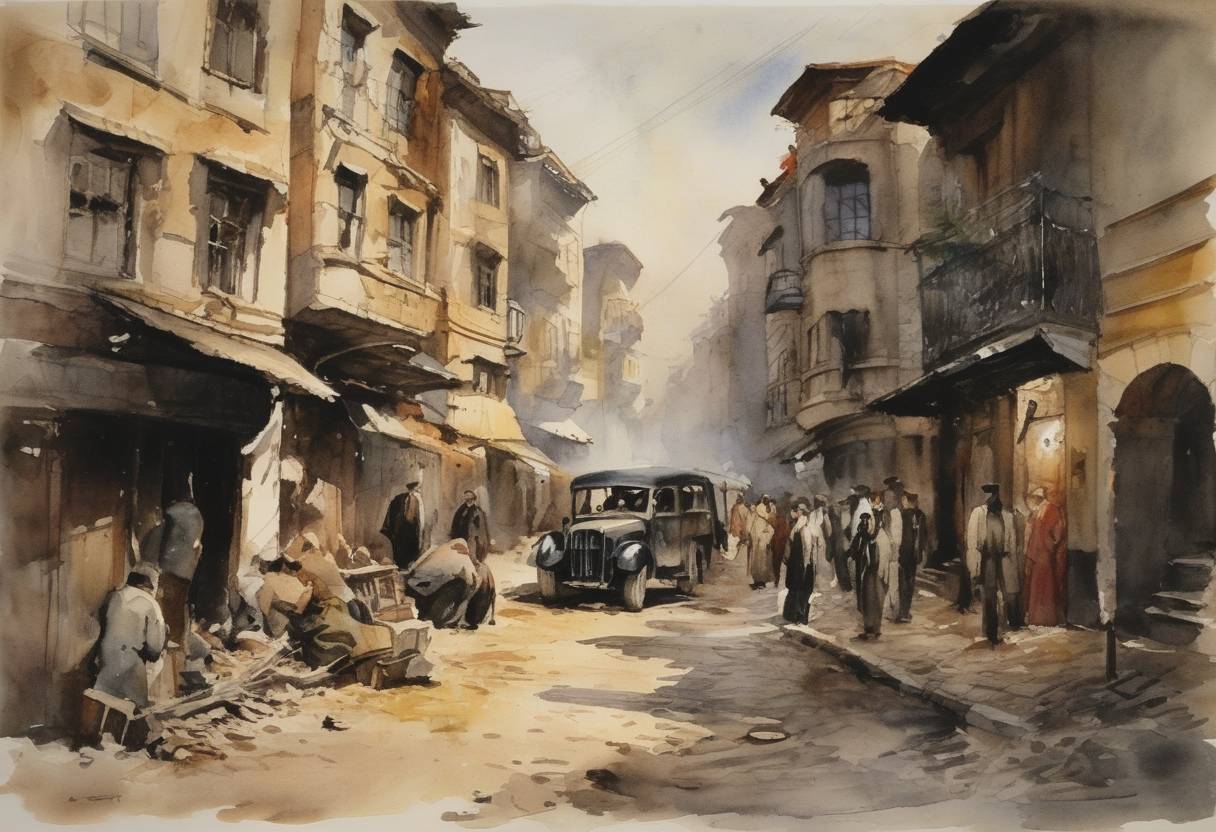
Istanbul Pogrom of September 6-7, 1955
Context
The Istanbul Pogrom, also known as the “Istanbul Riots” in Turkey or “The Events of September 6-7,” targeted the Greek minority in Istanbul and spanned September 6 to 7, 1955. The violence was ostensibly triggered by false reports that the house of Mustafa Kemal Atatürk, the founder of modern Turkey, in Thessaloniki, Greece, had been bombed by Greeks. This event occurred in the context of increasing tensions between Greece and Turkey over the Cyprus issue, where the two countries had conflicting claims and interests.
Key Events of September 6, 1955
On September 6, 1955, riots erupted in Istanbul, with mobs targeting Greek-owned businesses, homes, and institutions. Although the violence was primarily directed at the Greek population, other minority groups, including Armenians and Jews, were also affected. Armed with sticks and stones, the rioters looted churches, shops, and homes, causing extensive damage. Reports suggest that around 4,000 Greek-owned businesses, 1,000 Greek homes, dozens of churches, and other institutions were vandalized or destroyed in the chaos.
The attack was premeditated, with the government later accused of orchestrating the violence or at least enabling it due to inadequate police intervention. The pogrom led to significant economic losses for the minority communities and contributed to a further exodus of Greeks from Turkey.
Consequences
The Istanbul Pogrom had profound and lasting impacts on the Greek community in Turkey. The violence effectively accelerated the decline of the Greek population in Istanbul. By some estimates, the city’s Greek population dwindled drastically over the following decades, with many emigrating to Greece or elsewhere.
The pogrom strained Greco-Turkish relations significantly and drew international condemnation. It revealed deep-seated ethnic tensions within Turkey and highlighted issues regarding the treatment of minorities in the country.
Broader Historical Significance
The events are marked as a dark period in the history of Turkey’s minority relations and are often cited when discussing ethnic and minority issues in Turkey. The pogrom underscored the fragile nature of minority rights and citizenship in post-Ottoman Turkey and contributed to the ongoing narrative of discrimination against non-Muslim communities in the region.