Premiere of the Opera "Hansel and Gretel" on December 23, 1893
1893 · Weimar, Germany
The opera 'Hansel and Gretel' by Engelbert Humperdinck premiered in Weimar, Germany, adding a significant piece to the repertoire of German opera.
December 26, 1893
The opera "Hansel and Gretel" by Engelbert Humperdinck premieres in Weimar, Germany, becoming one of the most popular operas in the fairytale genre and endearing itself to audiences worldwide.
Weimar, Germany | Hoftheater
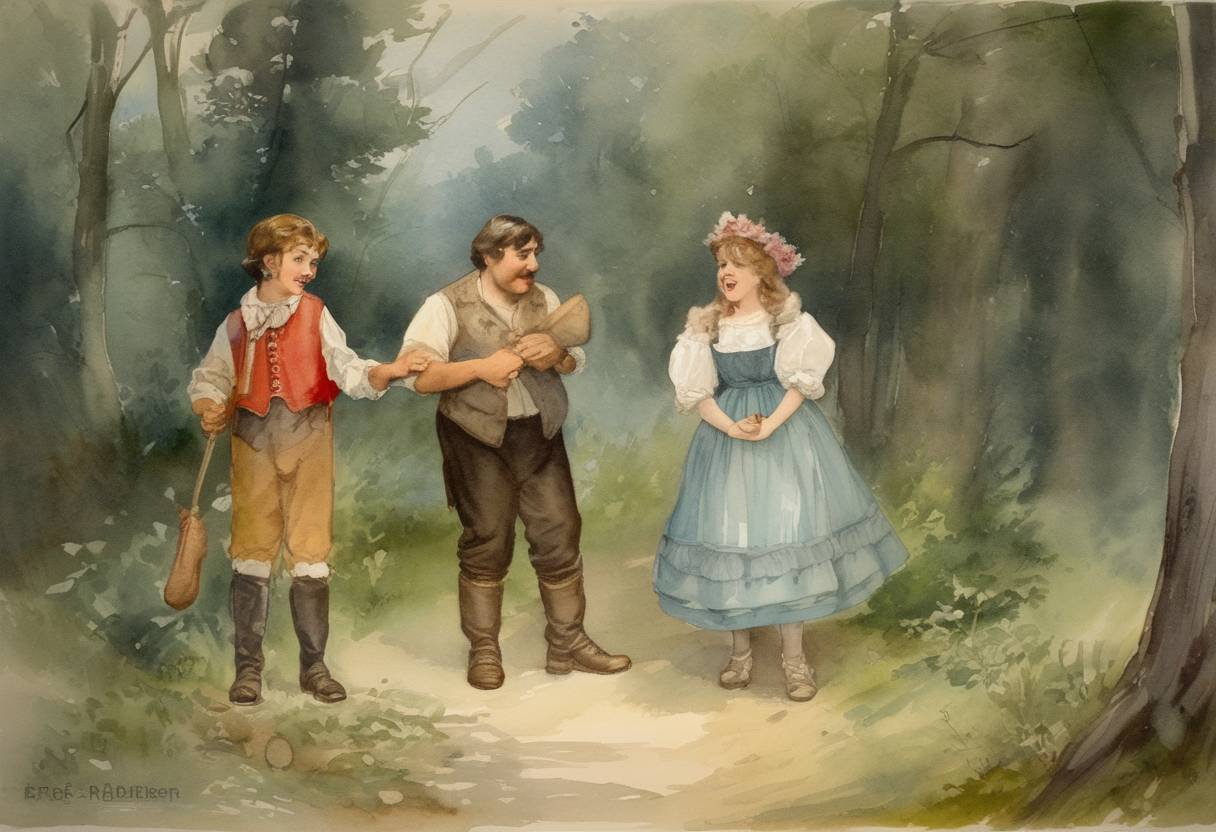
On December 26, 1893, the opera “Hansel and Gretel” by German composer Engelbert Humperdinck premiered at the Hoftheater in Weimar, Germany, under the baton of the renowned composer Richard Strauss. This event marked the beginning of the opera’s journey to becoming one of the most beloved works in the fairytale genre.
Engelbert Humperdinck, inspired by the Grimm Brothers’ fairy tale of the same name, composed “Hansel and Gretel” initially as a set of songs for a family Christmas celebration, with a libretto adapted by his sister, Adelheid Wette. The project evolved into a full opera, combining elements of German folk music with Wagnerian techniques, a style that Humperdinck had mastered while working with Richard Wagner himself.
The Weimar premiere was highly anticipated, partly due to the involvement of Richard Strauss, who conducted the performance. The opera’s compelling blend of melody, orchestral color, and the universal appeal of its story contributed significantly to its immediate success. The production captured the imagination of audiences with its enchanting musical score, which effectively conveyed the whimsy and underlying darkness of the original tale.
“Hansel and Gretel” stood out for its innovative integration of musical motifs and its ability to resonate emotionally with both children and adults. The opera quickly became a staple of German opera houses and later, worldwide. Its success established Humperdinck’s reputation as a composer and reinforced the viability of fairy tales as serious subjects for operatic treatment.
The popularity of “Hansel and Gretel” has endured over the years, with the opera frequently being performed around the world, especially during the Christmas season. Its themes of familial bonds, courage, and ingenuity continue to endear it to audiences globally.
In summary, the premiere of “Hansel and Gretel” on December 26, 1893, in Weimar was a landmark event that set the stage for its enduring legacy in the opera repertoire. The opera remains a testament to Humperdinck’s creative prowess and his ability to distill the essence of a beloved fairy tale into a rich and enduring musical narrative.
Source: www.britannica.com