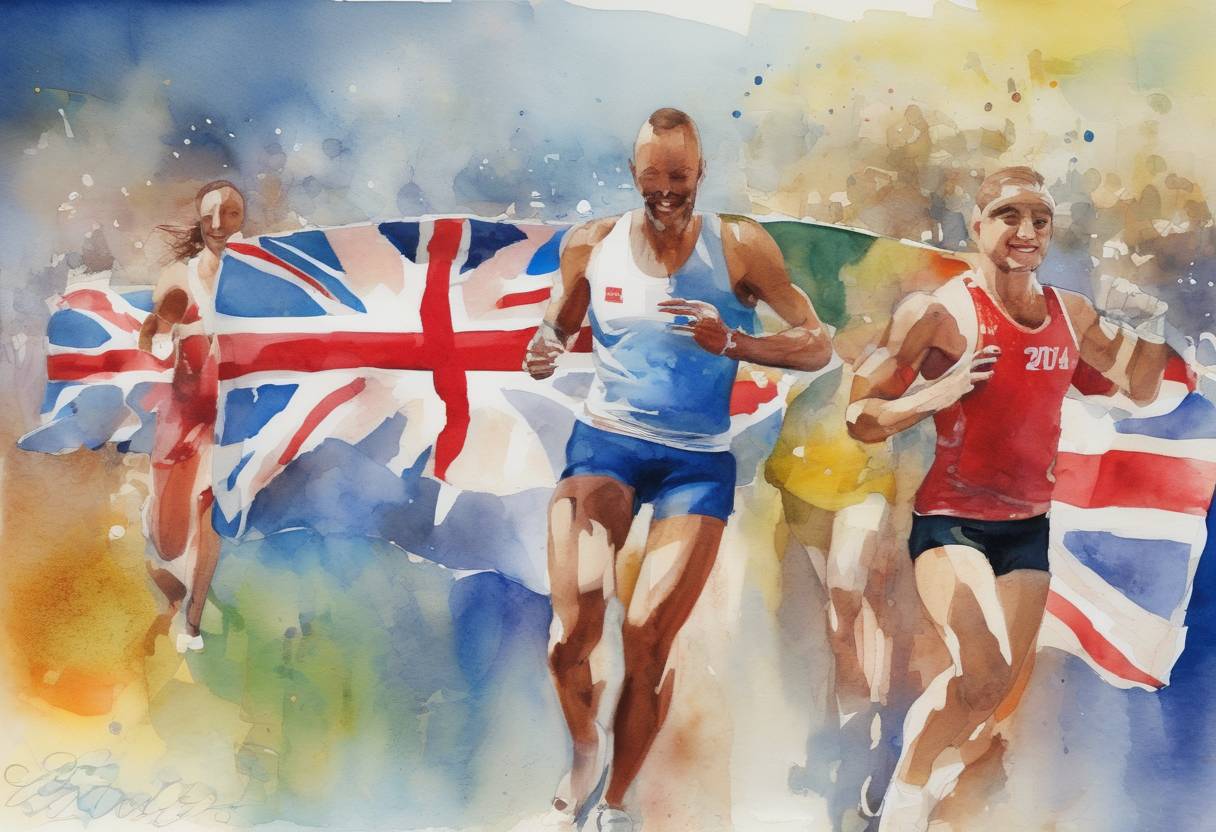
The 2014 Commonwealth Games Conclude in Glasgow
On August 2, 2014, the 20th edition of the Commonwealth Games concluded in Glasgow, Scotland. This multi-sport event, held from July 23 to August 3, 2014, brought together athletes from 71 nations and territories, all members of the Commonwealth of Nations. The Games were notable for their organization, the enthusiastic participation of the host city, and the high level of competition.
Key Highlights
Host City: Glasgow, Scotland, was chosen as the host city in 2007, marking the third time Scotland hosted the Commonwealth Games, following Edinburgh in 1970 and 1986.
Participants: Approximately 4,950 athletes competed in 17 sports, including athletics, swimming, cycling, and gymnastics, among others.
Venues: Events were held across 13 venues in Glasgow, with some events taking place in Edinburgh and Carnoustie.
England Tops the Medal Table
For the first time since 1986, England topped the medal table, surpassing Australia, which had dominated the Games in recent years. England’s athletes delivered outstanding performances across various disciplines, contributing to their overall success.
Broader Significance
Cultural Impact: The Games were celebrated for their inclusive spirit and the vibrant cultural events that accompanied the sporting competitions. The opening and closing ceremonies highlighted Scotland’s rich cultural heritage and diversity.
Economic and Social Benefits: The event was seen as a catalyst for urban regeneration in Glasgow, with investments in infrastructure and sports facilities expected to leave a lasting legacy.
Legacy: The successful hosting of the Games bolstered Glasgow’s reputation as a capable host for international sporting events and contributed to Scotland’s tourism and economy.
Conclusion
The 2014 Commonwealth Games in Glasgow were a resounding success, marked by competitive excellence and a spirit of unity among the Commonwealth nations. England’s achievement in topping the medal table was a significant milestone, reflecting the country’s investment in sports development and the dedication of its athletes. The Games left a positive legacy for Glasgow and the Commonwealth sporting community.