Coordinated Bombings in Iraq on March 1, 2012
2012 · Baghdad, Iraq
A series of coordinated bombings occurred in Iraq, resulting in the death of at least 23 people. The attacks targeted both Shia and Sunni areas.
July 3, 2016
A car bomb exploded in a busy shopping district in Baghdad, Iraq, killing over 300 people and injuring hundreds more. The attack was claimed by the Islamic State of Iraq and the Levant (ISIL) and was one of the deadliest in Iraq since the 2003 invasion.
Baghdad, Iraq | Islamic State of Iraq and the Levant (ISIL)
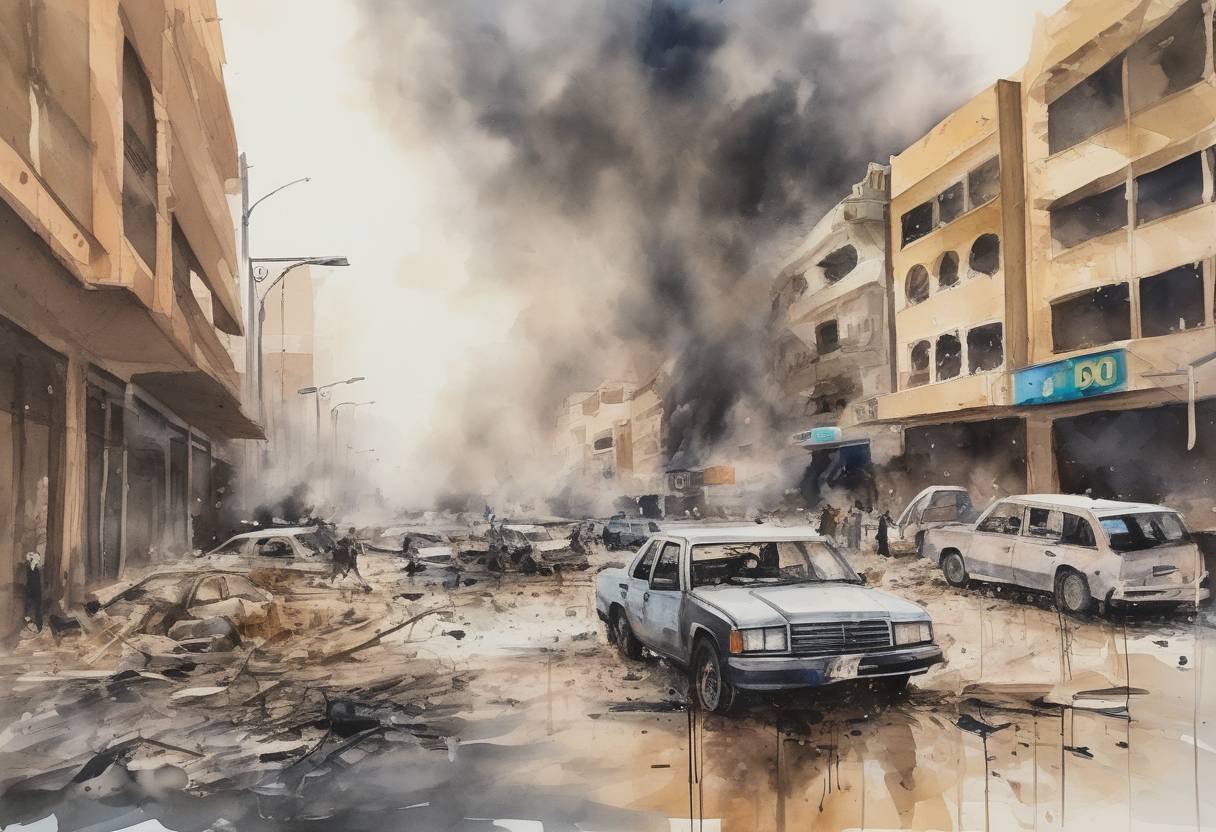
On July 3, 2016, a devastating car bomb exploded in the Karrada district of Baghdad, Iraq. This tragic event resulted in the deaths of over 300 people and left hundreds more injured. The attack was one of the deadliest in Iraq since the 2003 U.S.-led invasion and was claimed by the Islamic State of Iraq and the Levant (ISIL).
Location: The bombing occurred in the Karrada district, a bustling commercial area known for its shops, cafes, and restaurants. It was particularly crowded at the time due to the end of the holy month of Ramadan, as people were out shopping for the upcoming Eid al-Fitr celebrations.
Perpetrators: ISIL, a jihadist militant group that had seized large swathes of territory in Iraq and Syria, claimed responsibility for the attack. The group had been targeting civilian areas in Iraq as part of its campaign of terror.
Method: The attack was executed using a refrigerator truck packed with explosives. The vehicle was detonated in the early hours of the morning, causing widespread destruction and fires that engulfed nearby buildings.
Casualties: The explosion resulted in the deaths of over 300 individuals, with many more suffering injuries. The high casualty rate was exacerbated by the subsequent fires, which trapped many people inside buildings.
National Mourning: The Iraqi government declared three days of national mourning in response to the tragedy. The attack highlighted the ongoing security challenges faced by Iraq despite efforts to combat ISIL.
Public Outcry: The bombing led to widespread public anger over the perceived inadequacies in security measures and emergency response. Many citizens demanded accountability and improvements in the government’s ability to protect its people.
Security Measures: In the wake of the attack, Iraqi authorities intensified security efforts, including increased checkpoints and patrols in Baghdad and other major cities. The government also vowed to enhance intelligence operations to prevent future attacks.
ISIL’s Campaign: The attack underscored ISIL’s continued ability to carry out large-scale attacks despite losing territory in Iraq. It demonstrated the group’s shift towards asymmetric warfare as it faced military setbacks.
Impact on Iraqi Society: The bombing had a profound impact on Iraqi society, deepening sectarian tensions and highlighting the challenges of rebuilding a nation plagued by years of conflict and instability.
The July 3, 2016, Baghdad bombing remains a stark reminder of the human cost of terrorism and the ongoing struggle for peace and security in Iraq.
Source: www.theguardian.com