The Signing of the Geneva Conventions on August 12, 1949
1949 · Geneva, Switzerland
The Geneva Conventions, establishing the standards of international law for humanitarian treatment in war, are signed.
August 22, 1864
The First Geneva Convention was adopted, establishing the rules for the treatment of wounded soldiers and the protection of medical personnel during war.
Geneva, Switzerland | International Committee of the Red Cross
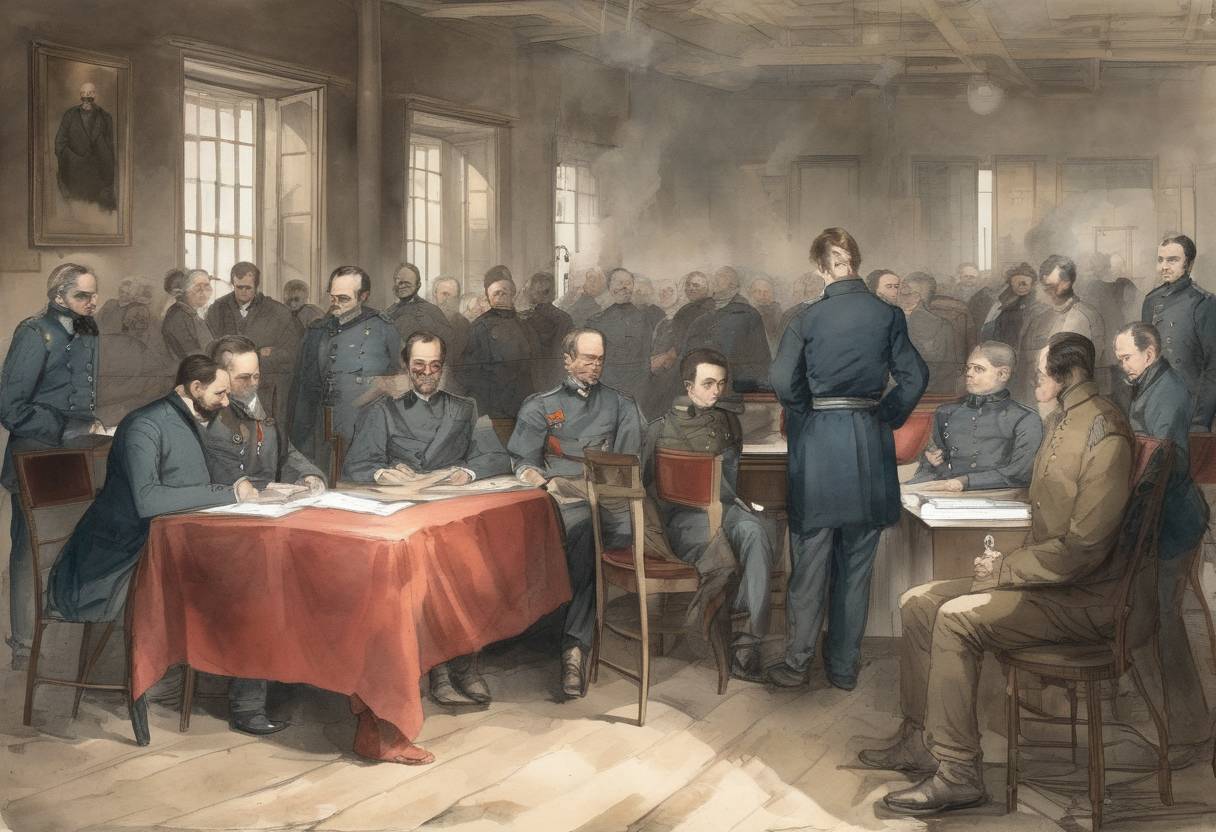
On August 22, 1864, the First Geneva Convention was adopted, marking a significant milestone in the development of international humanitarian law. This convention laid the groundwork for the rules governing the treatment of wounded soldiers and the protection of medical personnel during armed conflicts.
The mid-19th century was a period marked by numerous conflicts, including the Crimean War (1853-1856) and the Italian Wars of Independence. These conflicts highlighted the dire need for formalized rules to protect those who were no longer participating in hostilities, such as wounded soldiers and medical staff. The appalling conditions and lack of care for the wounded during these wars spurred humanitarian efforts to establish more humane treatment.
Henri Dunant: A Swiss businessman and social activist, Dunant witnessed the aftermath of the Battle of Solferino in 1859, where thousands of soldiers were left wounded without adequate care. His experiences led him to advocate for the establishment of voluntary relief societies and the creation of an international agreement to protect the wounded and those caring for them.
Gustave Moynier: A Swiss lawyer and co-founder of the International Committee of the Red Cross (ICRC), Moynier played a crucial role in organizing the conference that led to the adoption of the First Geneva Convention.
The First Geneva Convention was adopted by representatives from 12 European states at a diplomatic conference convened in Geneva, Switzerland. The key provisions of the convention included:
Protection of Wounded Soldiers: The convention stipulated that wounded and sick soldiers should be cared for, regardless of their nationality.
Neutrality of Medical Personnel: It established the neutrality of medical personnel, ambulances, and military hospitals, ensuring they were protected from attack.
The Red Cross Symbol: The convention introduced the red cross emblem as a protective symbol for medical personnel and facilities, signifying neutrality and protection.
The adoption of the First Geneva Convention was a landmark achievement in international law, setting a precedent for future treaties aimed at mitigating the horrors of war. It laid the foundation for subsequent Geneva Conventions, which expanded protections to include prisoners of war and civilians.
The convention also led to the formal establishment of the International Committee of the Red Cross, which continues to play a vital role in humanitarian efforts worldwide. The principles enshrined in the First Geneva Convention have been reaffirmed and expanded in later conventions, reflecting the evolving nature of warfare and the ongoing commitment to humanitarian principles.
In summary, the First Geneva Convention of 1864 was a pioneering step towards the codification of international humanitarian law, emphasizing the protection and humane treatment of individuals during armed conflicts. Its legacy endures in the continued efforts to uphold human dignity in times of war.
Source: en.wikipedia.org