Liberia Declared Ebola-Free by WHO on May 8, 2015
2015 · Monrovia, Liberia
The World Health Organization declares Liberia free of Ebola after 42 days without new cases, marking the end of the outbreak in the country.
October 24, 2014
The World Health Organization declares Nigeria free of Ebola virus transmission after a successful containment effort.
Abuja, Nigeria | World Health Organization
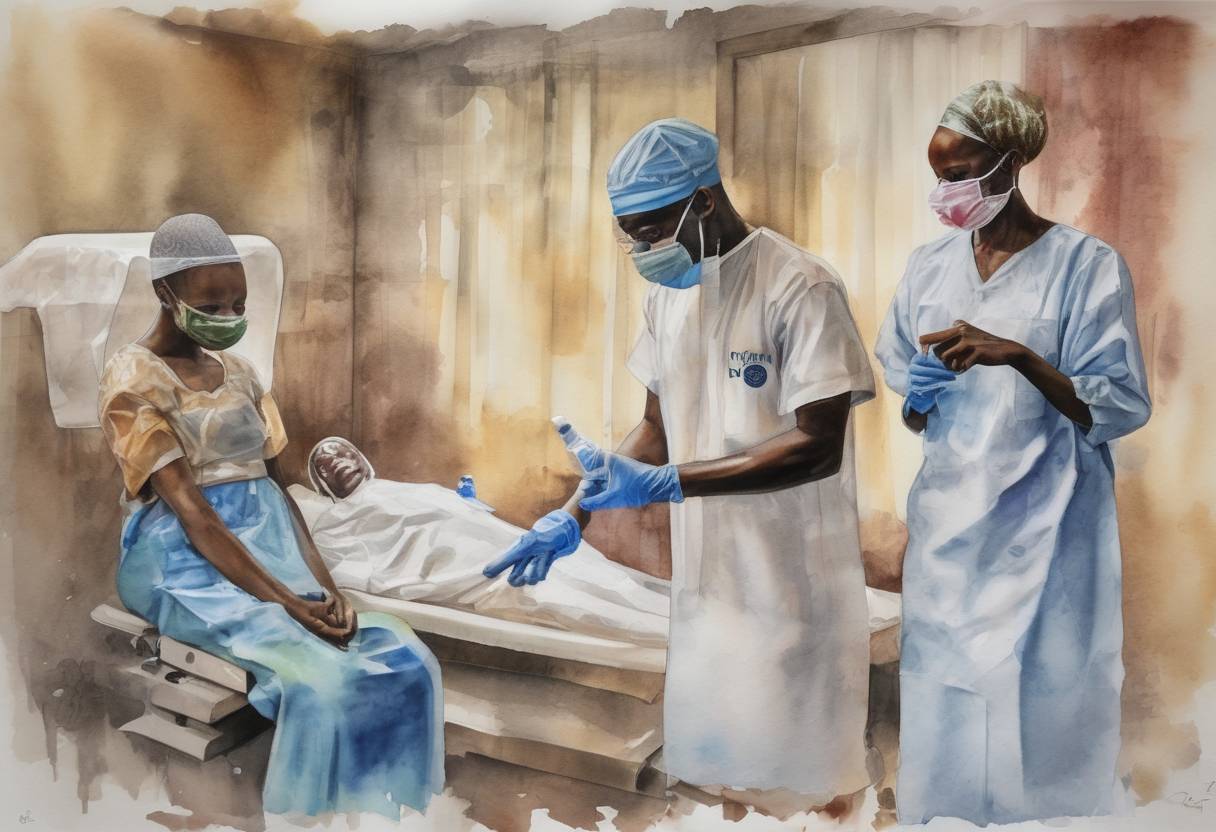
On October 24, 2014, the World Health Organization (WHO) officially declared Nigeria free of Ebola virus transmission. This announcement marked a significant public health achievement for Nigeria, which successfully contained the outbreak through effective measures and international collaboration.
The Ebola virus outbreak of 2014 was one of the most severe in history, primarily affecting countries in West Africa, including Guinea, Liberia, and Sierra Leone. The virus is highly contagious and often fatal, leading to widespread fear and a global health emergency.
The Ebola virus was introduced to Nigeria on July 20, 2014, when an infected Liberian-American, Patrick Sawyer, flew into Lagos, Nigeria’s most populous city. Sawyer’s arrival posed a significant threat due to Lagos’s dense population and extensive travel connections, which could have facilitated a rapid spread of the virus.
Nigeria’s response to the Ebola threat was swift and effective, characterized by several key strategies:
Rapid Response and Coordination: The Nigerian government, in collaboration with the WHO and other international partners, quickly established an Emergency Operations Center (EOC) to coordinate the response efforts.
Contact Tracing: Authorities implemented an aggressive contact tracing program, identifying and monitoring nearly 900 individuals who had been in contact with infected persons. This effort was crucial in preventing further transmission.
Public Awareness and Education: Public health campaigns were launched to educate citizens about the virus, its transmission, and preventive measures. This helped reduce panic and encouraged cooperation with health officials.
Isolation and Treatment: Infected individuals were isolated and treated in specialized facilities, minimizing the risk of further spread.
The WHO’s declaration on October 24, 2014, came after Nigeria reported no new cases for 42 days, double the incubation period of the virus. This success was hailed as a model for other countries facing similar outbreaks.
Nigeria’s effective containment of Ebola demonstrated the importance of rapid response, strong leadership, and international cooperation in managing public health crises. It also highlighted the critical role of community engagement and public health infrastructure in controlling infectious diseases.
The successful containment of Ebola in Nigeria provided valuable lessons for future outbreaks and reinforced the need for global preparedness and resilience in the face of emerging health threats.
Source: www.who.int