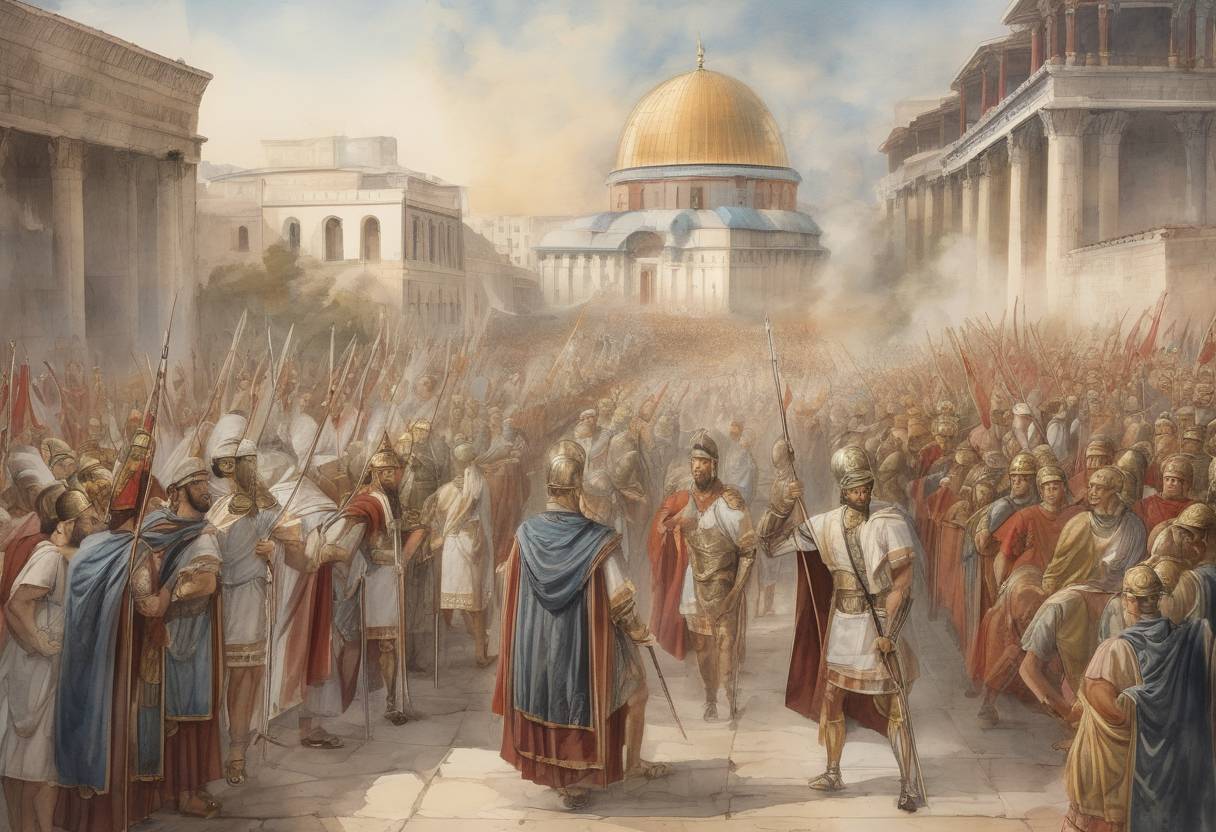
Theodosius I’s Entry into Constantinople - November 24, 380
On November 24, 380, Theodosius I made his formal entry into Constantinople, marking the beginning of his reign as the sole ruler of the Eastern Roman Empire. This event was a significant milestone in the history of the Roman Empire, as it solidified Theodosius’s authority and set the stage for his influential role in shaping the empire’s religious and political landscape.
Context Leading Up to Theodosius’s Reign
Division of the Roman Empire: By the late 4th century, the Roman Empire had been divided into Eastern and Western halves to better manage its vast territories. Theodosius was appointed as the Eastern Roman Emperor by Gratian, the Western Roman Emperor, in 379 following the death of Valens at the Battle of Adrianople in 378.
Challenges Facing the Empire: The Eastern Roman Empire was facing significant challenges, including threats from Gothic tribes, internal political instability, and religious conflicts between Arianism and Nicene Christianity.
Theodosius’s Entry into Constantinople
Consolidation of Power: Theodosius’s entry into Constantinople symbolized the consolidation of his power over the Eastern Roman Empire. It was a ceremonial affirmation of his authority and a strategic move to establish his presence in the empire’s capital.
Religious Influence: Theodosius was a staunch supporter of Nicene Christianity. His reign marked a turning point in the empire’s religious policies, as he worked to suppress Arianism and promote Nicene orthodoxy.
Key Actions and Policies
Edict of Thessalonica: In February 380, shortly before his entry into Constantinople, Theodosius issued the Edict of Thessalonica, declaring Nicene Christianity as the official state religion of the Roman Empire. This edict had profound implications for the religious landscape of the empire.
Military Campaigns: Theodosius undertook military campaigns to stabilize the empire’s borders and address the Gothic threat. His diplomatic and military efforts were crucial in maintaining the integrity of the Eastern Roman Empire.
Aftermath and Historical Significance
Religious Legacy: Theodosius’s reign is often credited with establishing Christianity as the dominant religion of the Roman Empire. His policies laid the groundwork for the Christianization of Europe in the centuries to follow.
Theodosius’s Death and the Empire’s Division: After Theodosius’s death in 395, the Roman Empire was permanently divided between his two sons, Honorius and Arcadius, leading to the eventual decline of the Western Roman Empire.
Theodosius I’s entry into Constantinople and his subsequent reign had lasting impacts on the Roman Empire, shaping its religious and political trajectory for generations. His leadership during a tumultuous period helped to stabilize the Eastern Roman Empire and left a legacy that would influence the course of European history.