1978 · Vatican City, Vatican City
Cardinal Karol Józef Wojtyła is elected Pope John Paul II, becoming the first non-Italian pope in 455 years.
August 26, 1978
Cardinal Albino Luciani was elected as Pope John Paul I, the 263rd pope of the Roman Catholic Church.
Vatican City, Vatican City | Roman Catholic Church
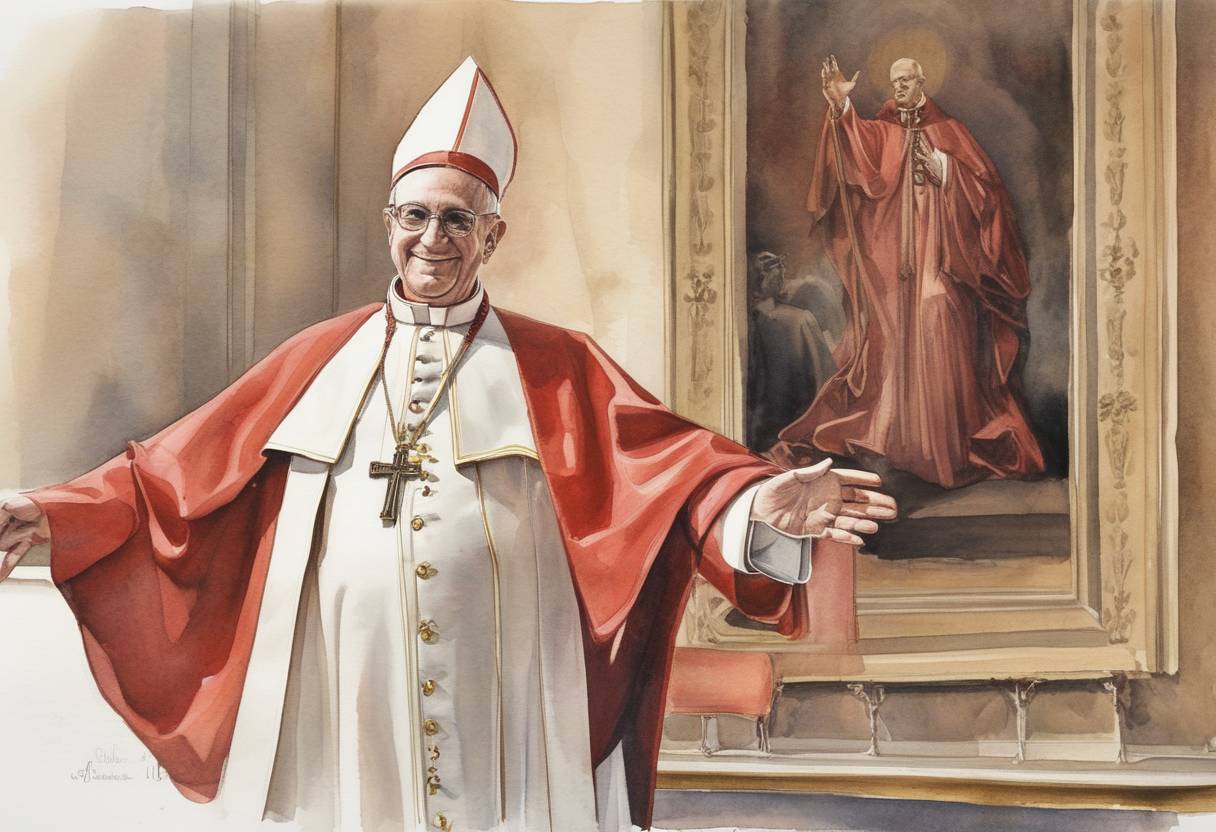
On August 26, 1978, Cardinal Albino Luciani was elected as the 263rd pope of the Roman Catholic Church, taking the papal name John Paul I. His election marked a significant moment in the Church’s history, as he became the first pope to choose a double name, honoring his two immediate predecessors, Pope John XXIII and Pope Paul VI.
Albino Luciani was born on October 17, 1912, in the small village of Canale d’Agordo in northern Italy. He was ordained a priest in 1935 and quickly rose through the ranks of the Church, becoming the Bishop of Vittorio Veneto in 1958 and later the Patriarch of Venice in 1969. Known for his humility, warmth, and pastoral approach, Luciani was a popular figure within the Church.
The conclave of August 1978 was convened following the death of Pope Paul VI on August 6, 1978. The conclave was relatively short, lasting only about a day, and Luciani was elected on the fourth ballot. His election was reportedly met with surprise, as he was not considered a frontrunner. Nevertheless, his reputation for simplicity and dedication to pastoral care resonated with the cardinals.
John Paul I’s papacy was notably brief, lasting only 33 days, from August 26 to September 28, 1978. Despite its short duration, his papacy left a lasting impression due to his approachable demeanor and emphasis on humility and simplicity. He was often referred to as “The Smiling Pope” because of his warm and friendly nature.
The sudden death of John Paul I on September 28, 1978, shocked the world and led to widespread speculation and conspiracy theories. However, the official cause of death was reported as a heart attack.
Despite his brief tenure, John Paul I’s legacy endures in the Church’s continued emphasis on pastoral care and humility. His successor, Pope John Paul II, adopted his name in tribute, further cementing his influence on the Church.
In 2017, Pope Francis declared John Paul I “Venerable,” a step towards sainthood, recognizing his virtuous life and contributions to the Church. His legacy continues to inspire those who value simplicity, humility, and a pastoral approach to leadership within the Catholic Church.
Source: en.wikipedia.org