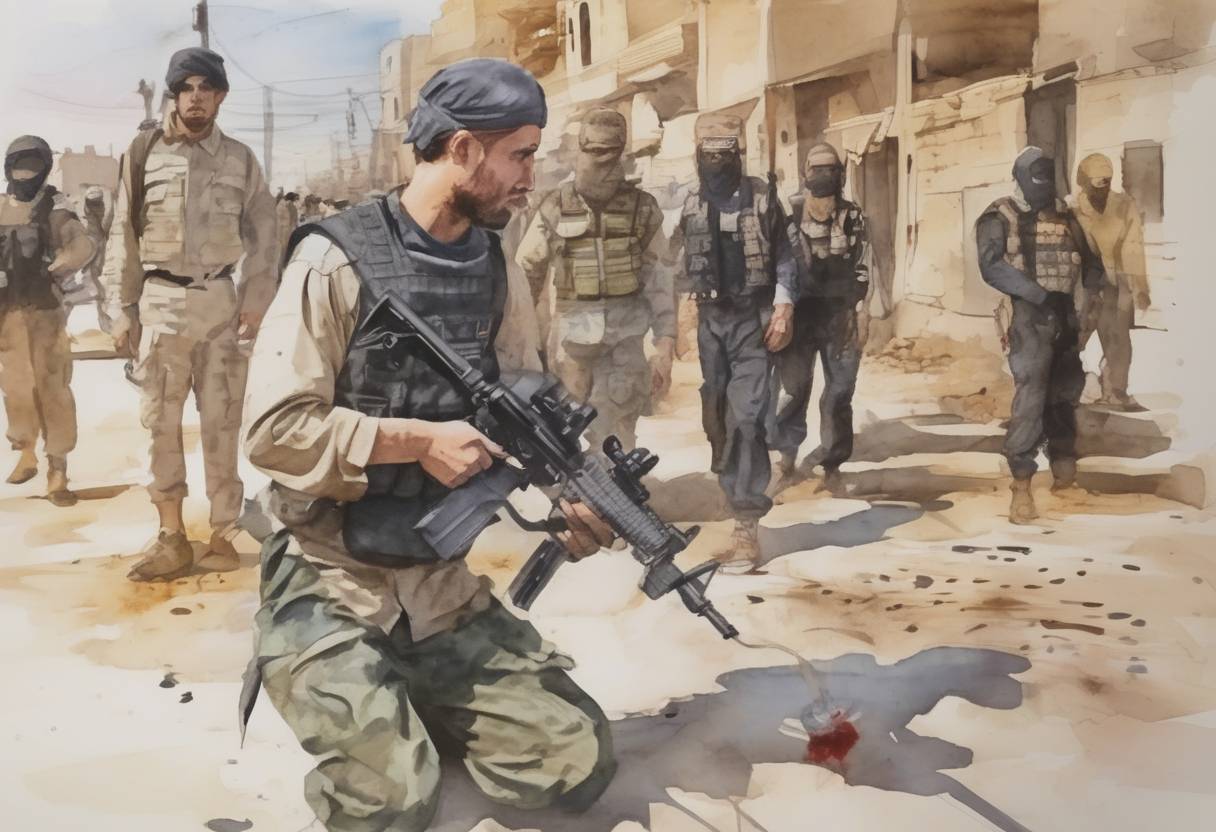
The Beheading of James Foley by ISIS on August 19, 2014
On August 19, 2014, the Islamic State of Iraq and Syria (ISIS) released a video depicting the brutal beheading of American journalist James Foley. This act of violence was met with widespread international outrage and condemnation, highlighting the growing threat posed by ISIS and its brutal tactics.
Background
James Foley was an experienced journalist who had reported from conflict zones in the Middle East. He was kidnapped in Syria on November 22, 2012, while covering the Syrian Civil War. Foley’s abduction was part of a broader pattern of kidnappings by ISIS, which sought to use hostages as leverage and propaganda tools.
The Video
The video, titled “A Message to America,” was released by ISIS as a direct response to U.S. airstrikes against the group in Iraq. In the video, Foley is shown kneeling in the desert, dressed in an orange jumpsuit, reminiscent of the attire worn by detainees at Guantanamo Bay. A masked militant, speaking with a British accent, stands beside him, delivering a message condemning U.S. military actions in the region.
The video ends with the militant executing Foley, marking a gruesome and public demonstration of ISIS’s brutality. The video also threatened the life of another American journalist, Steven Sotloff, who was later killed in a similar manner.
International Reaction
The release of the video prompted a swift and strong reaction from the international community:
United States: President Barack Obama condemned the murder as “an act of violence that shocks the conscience of the entire world.” He reaffirmed the U.S. commitment to confronting ISIS and called for unity in the face of terrorism.
United Nations: The UN Secretary-General, Ban Ki-moon, expressed outrage and called for the immediate release of all hostages held by ISIS.
Global Response: Leaders from around the world, including those from the European Union and the Middle East, denounced the killing and expressed solidarity with the United States in the fight against terrorism.
Aftermath and Significance
The murder of James Foley marked a turning point in the global perception of ISIS. It underscored the group’s capacity for extreme violence and its use of media as a tool for spreading terror. The incident galvanized international efforts to combat ISIS, leading to increased military intervention and cooperation among nations to dismantle the group’s networks.
The beheading also highlighted the dangers faced by journalists in conflict zones and sparked discussions about the safety and protection of reporters covering wars and insurgencies.
In the years following Foley’s death, ISIS continued to lose territory and influence, but the impact of its brutal tactics, including the murder of hostages, left a lasting mark on global counterterrorism strategies and the collective memory of the international community.