The Opening of The Apollo Theater in Harlem
1934 · New York City, United States
The Apollo Theater opened in Harlem, New York City, becoming a significant venue for African American performers.
September 23, 1962
The Lincoln Center for the Performing Arts opened in New York City, becoming a major cultural venue.
New York City, United States | Lincoln Center
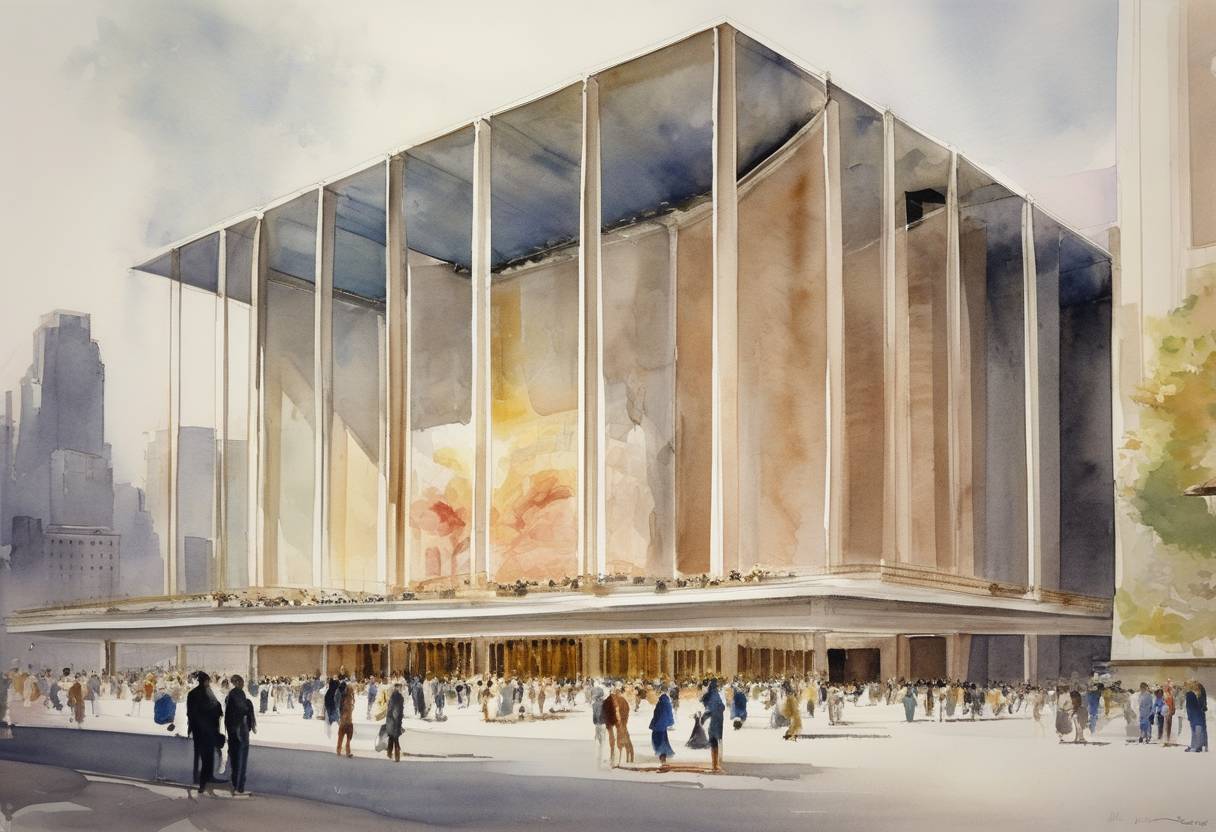
On September 23, 1962, the Lincoln Center for the Performing Arts officially opened in New York City, marking a significant milestone in the cultural landscape of the United States. This event heralded the establishment of a major venue dedicated to the performing arts, which would become a cornerstone of cultural life in New York City and beyond.
The idea for the Lincoln Center was conceived in the mid-1950s as part of a broader urban renewal project aimed at revitalizing the Upper West Side of Manhattan. The project was spearheaded by John D. Rockefeller III, who envisioned a centralized location that would house multiple performing arts organizations. The site chosen for the Lincoln Center was a 16.3-acre area that had previously been a densely populated neighborhood.
Construction of the Lincoln Center began in 1959, with the design and planning involving some of the most prominent architects of the time, including Max Abramovitz, Eero Saarinen, and Philip Johnson. The center was designed to include several distinct venues, each catering to different aspects of the performing arts.
The opening ceremony on September 23, 1962, was a grand affair attended by numerous dignitaries, artists, and patrons of the arts. The event featured a performance by the New York Philharmonic, conducted by Leonard Bernstein, which set the tone for the center’s future as a hub for world-class performances.
The Lincoln Center is home to several key institutions, each contributing to its reputation as a leading cultural venue:
Since its opening, the Lincoln Center has played a pivotal role in the cultural life of New York City. It has hosted countless performances, festivals, and events, attracting millions of visitors each year. The center has also been instrumental in promoting arts education and outreach programs, making the performing arts accessible to a broader audience.
The Lincoln Center’s establishment marked a new era for the performing arts in America. It set a precedent for cultural institutions worldwide, demonstrating the importance of centralized, multi-disciplinary arts venues. Its continued success and influence underscore its significance as a beacon of artistic excellence and innovation.
In summary, the opening of the Lincoln Center for the Performing Arts on September 23, 1962, was a landmark event that significantly enriched the cultural fabric of New York City and established a legacy of artistic achievement that continues to thrive today.
Source: en.wikipedia.org