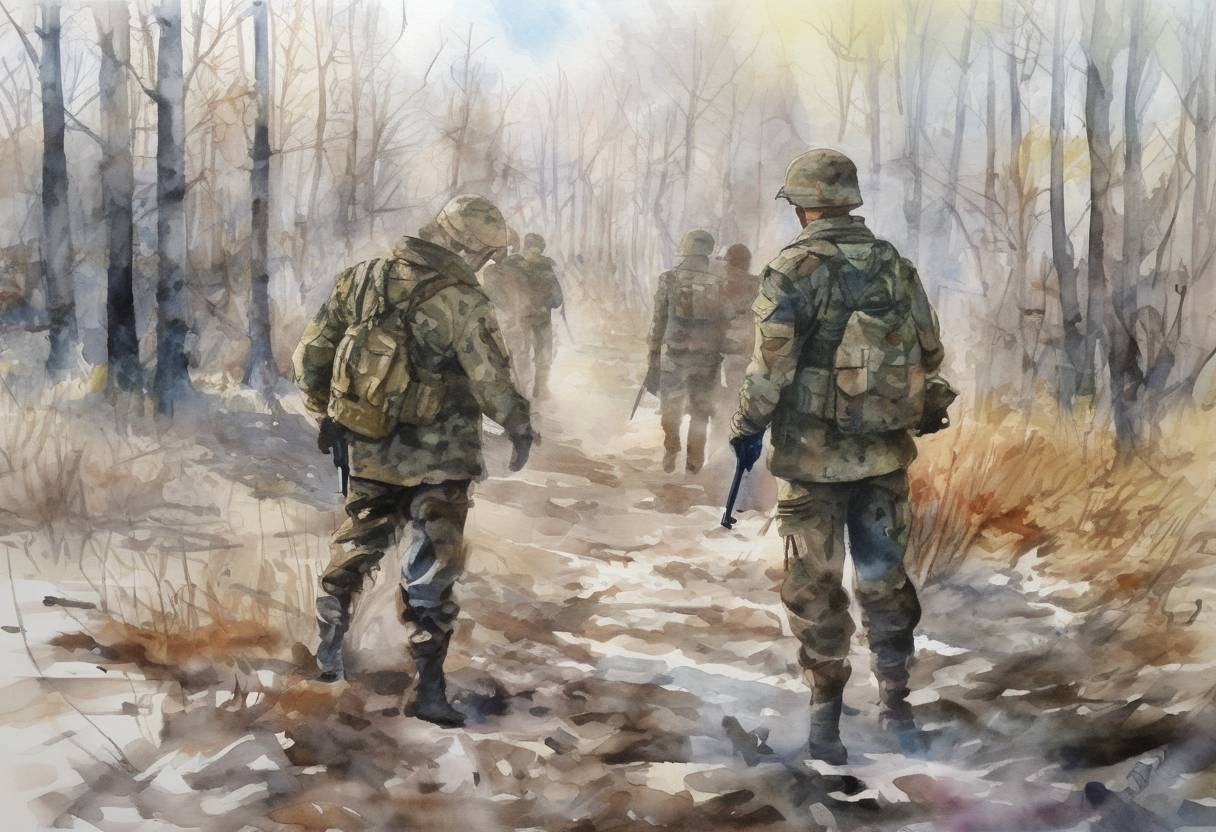
Ceasefire Agreement in Minsk - September 5, 2014
On September 5, 2014, a significant ceasefire agreement was signed in Minsk, Belarus, aiming to halt the ongoing conflict in Eastern Ukraine. This agreement was a crucial step in addressing the hostilities that had erupted earlier in the year between Ukrainian forces and pro-Russian separatists.
Background
The conflict in Eastern Ukraine began in early 2014, following Russia’s annexation of Crimea in March. Pro-Russian separatists in the Donetsk and Luhansk regions declared independence, leading to intense fighting with Ukrainian government forces. The conflict resulted in thousands of casualties and significant displacement of civilians.
The Minsk Protocol
The ceasefire agreement, known as the Minsk Protocol, was brokered by the Organization for Security and Co-operation in Europe (OSCE) and involved representatives from Ukraine, Russia, and the separatist regions. Key points of the agreement included:
- Immediate Ceasefire: An immediate cessation of hostilities was to be implemented to stop the ongoing violence.
- Decentralization of Power: Provisions were made for greater autonomy for the Donetsk and Luhansk regions, addressing some of the separatists’ demands.
- Prisoner Exchange: Both sides agreed to exchange prisoners of war.
- Withdrawal of Illegal Armed Groups: The agreement called for the withdrawal of all illegal armed groups and military equipment from the conflict zones.
- Monitoring by OSCE: The OSCE was tasked with monitoring the implementation of the ceasefire and ensuring compliance by all parties.
Aftermath and Significance
Despite the signing of the Minsk Protocol, the ceasefire was fragile and frequently violated, with both sides accusing each other of breaches. The agreement, however, laid the groundwork for further negotiations and was a precursor to the more comprehensive Minsk II agreement signed in February 2015.
The Minsk Protocol was significant as it represented the first formal attempt to de-escalate the conflict and provided a framework for dialogue. It highlighted the complex geopolitical tensions in the region and the challenges of achieving a lasting peace.
Broader Historical Context
The conflict in Eastern Ukraine and the subsequent ceasefire agreements have had lasting implications for Ukraine’s sovereignty, regional stability, and international relations. The situation remains a focal point of East-West tensions, with ongoing discussions about Ukraine’s territorial integrity and the role of external powers in the region.
The Minsk agreements continue to be referenced in diplomatic efforts to resolve the conflict, underscoring the enduring complexity of the situation in Eastern Ukraine.