Space Shuttle Discovery's Final Mission: STS-133
2011 · Cape Canaveral, United States
Space Shuttle Discovery was launched on its final mission, STS-133, to the International Space Station.
July 19, 2011
NASA's space shuttle Atlantis lands at the Kennedy Space Center, concluding the final mission of the US shuttle program.
Cape Canaveral, United States | NASA
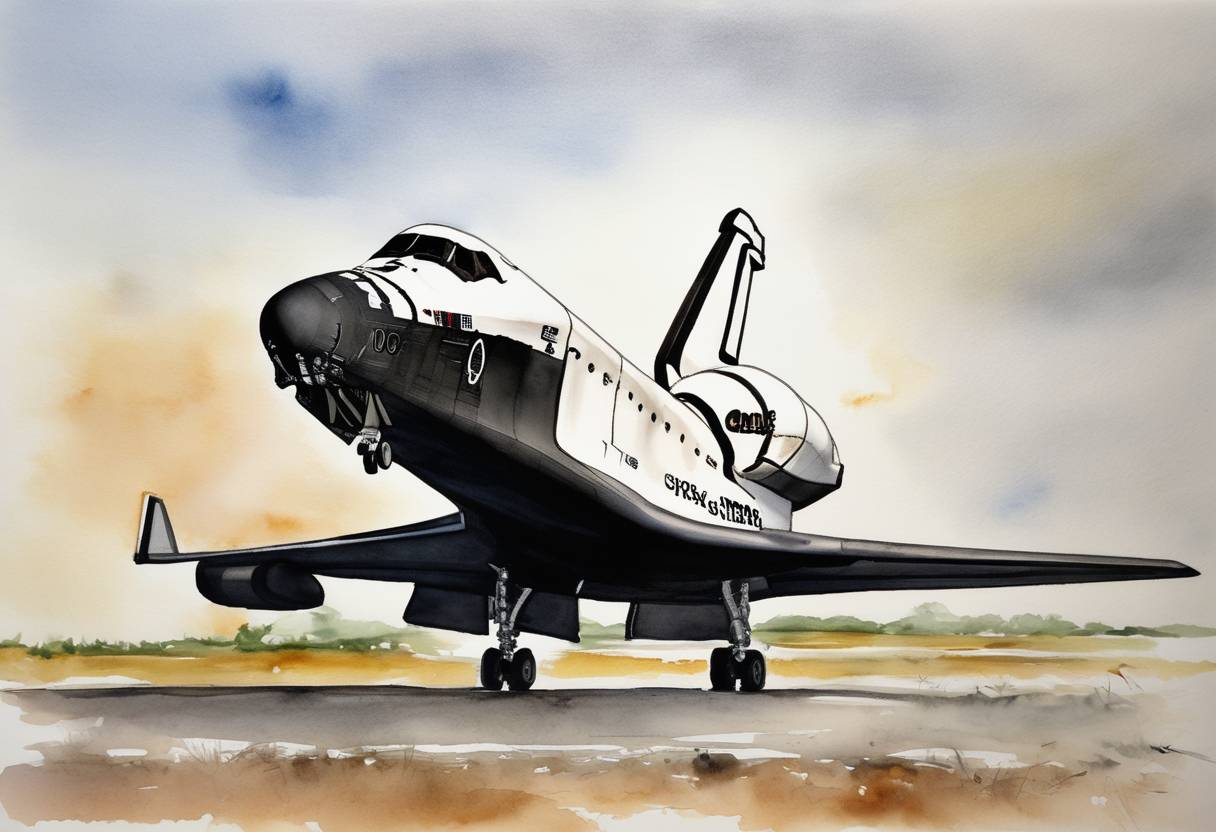
On July 21, 2011, the Space Shuttle Atlantis landed at the Kennedy Space Center, marking the conclusion of NASA’s Space Shuttle Program. The event was a significant milestone in space exploration, finalizing a 30-year era of shuttle missions initiated by the first Shuttle flight in 1981.
Atlantis’ final mission, officially designated STS-135, was launched on July 8, 2011. The primary objective was to deliver supplies and spare parts to the International Space Station (ISS) using the Raffaello multi-purpose logistics module. The mission involved a crew of four astronauts: Commander Christopher Ferguson, Pilot Douglas Hurley, and Mission Specialists Sandra Magnus and Rex Walheim.
The final landing of Atlantis on July 21 occurred at 5:57 a.m. EDT, bringing an end to a program that facilitated critical technological advancements such as satellite deployment, Hubble Space Telescope repairs, and ISS construction. The Space Shuttle program was pivotal in advancing human space exploration, fostering international collaboration and contributing extensively to scientific research in microgravity environments.
Atlantis’ final descent symbolized the closing of a monumental chapter in space history, as NASA looked forward to new opportunities beyond Earth’s orbit.
Source: www.nasa.gov