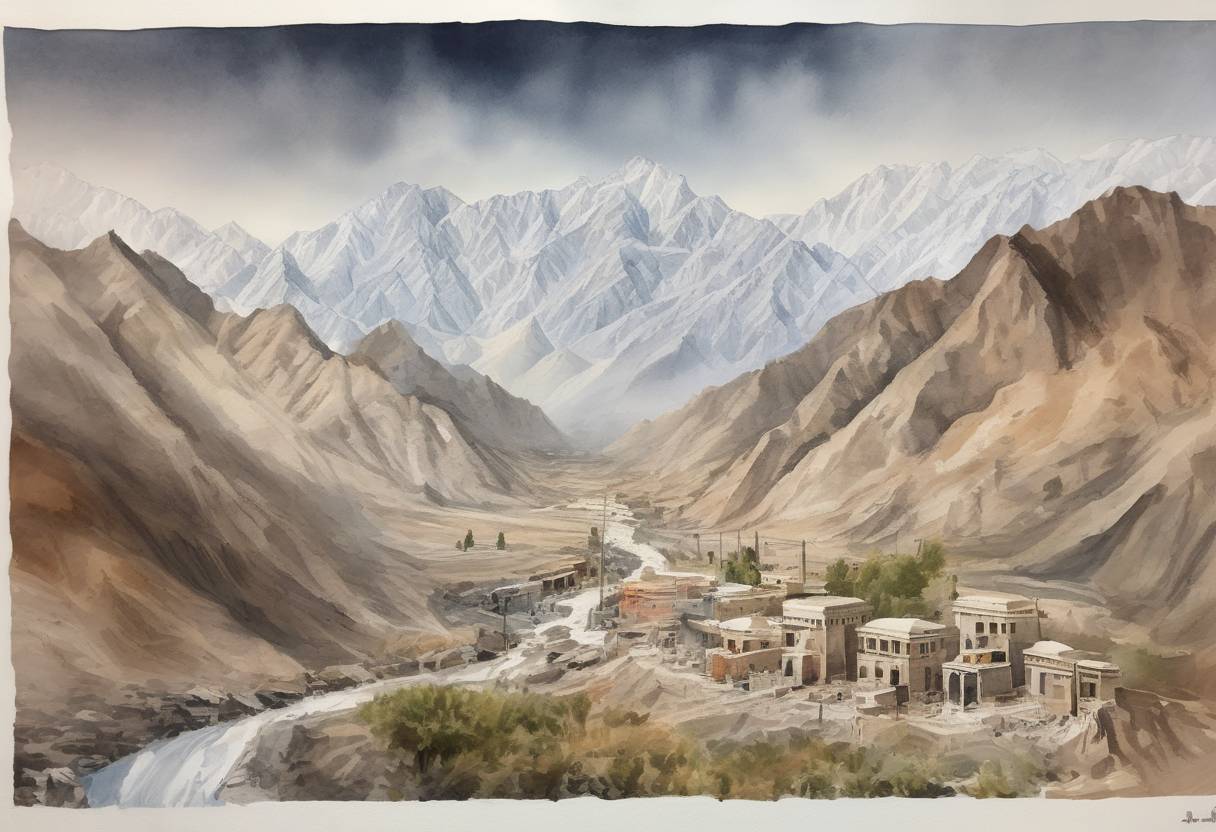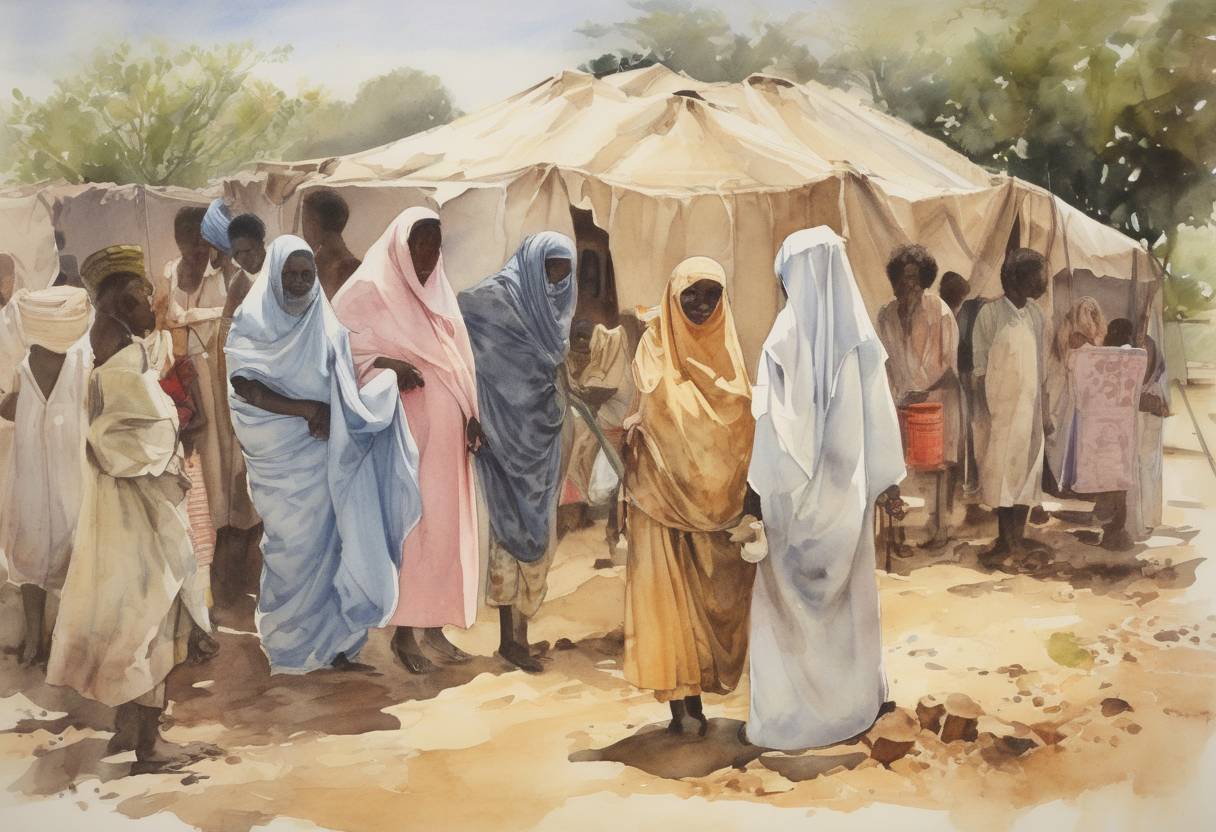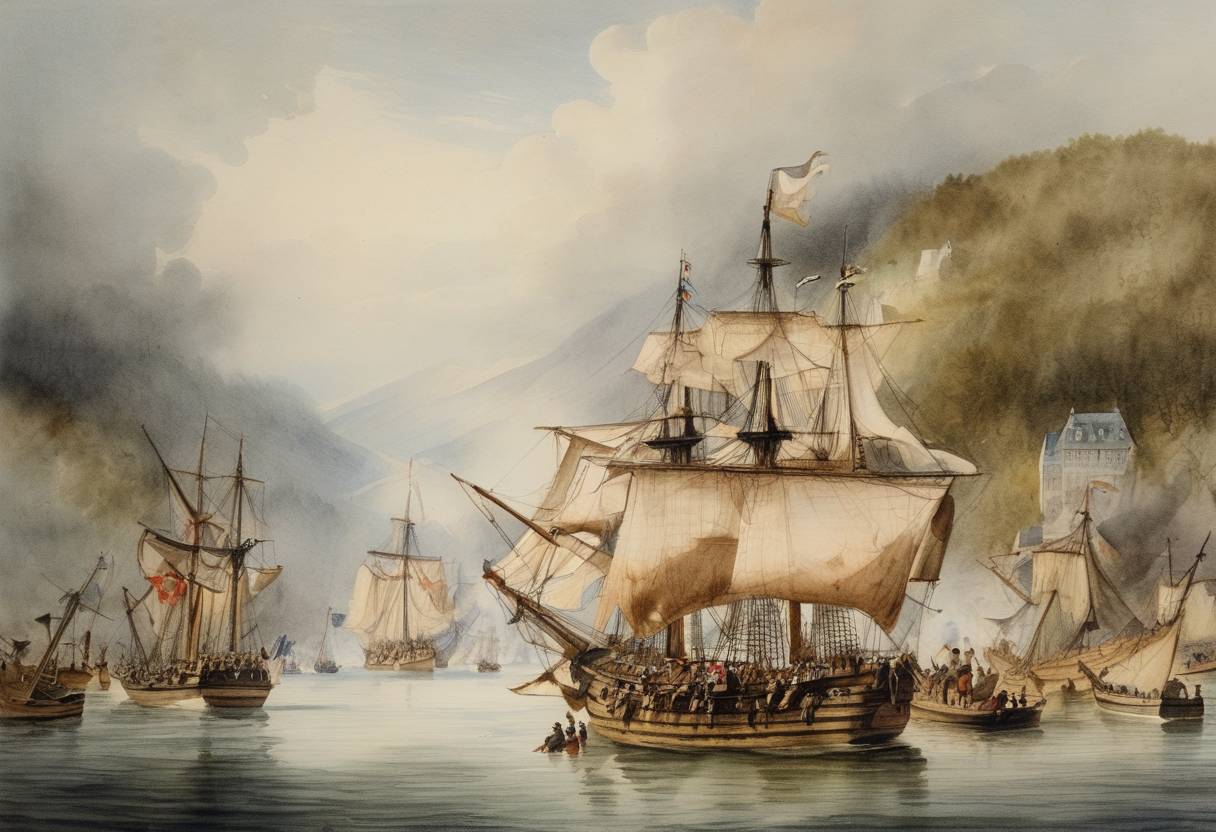
A tsunami triggered by an undersea landslide caused by the eruption of Anak Krakatoa struck the Sunda Strait in Indonesia, resulting in over 400 deaths and widespread destruction.
In History, Today on December 24
Today we explore events from the year 1294 to the year 2018. Events span the globe, from the countries of Indonesia, United States, Egypt, Kazakhstan, Australia, Iraq, Afghanistan, Belgium, Democratic Republic of the Congo, Libya, Hong Kong, France, Kiribati, Papal States.
2018
Sunda Strait, Indonesia
2014
Los Angeles, United States
Sony Pictures released 'The Interview' online after initially canceling its release due to threats from hackers. The film's release followed a cyberattack attributed to North Korea.
2013
Mansoura, Egypt
A suicide bombing in the city of Mansoura, Egypt, targeted a police headquarters, killing at least 16 people and injuring over 100. The attack was later claimed by the militant group Ansar Beit al-Maqdis.
2012
Baikonur, Kazakhstan
A Russian-built Soyuz spacecraft successfully delivered a three-member crew to the International Space Station, continuing international cooperation in space exploration.
2010
New York City, United States
The United Nations Security Council voted to lift sanctions on Iraq, which had been in place since the Gulf War, as a recognition of the country's progress in rebuilding and stabilizing.
2008
Faradje, Democratic Republic of the Congo
The Lord's Resistance Army, a rebel group in Uganda, launched a series of attacks in the Democratic Republic of the Congo, resulting in the deaths of hundreds of civilians over the Christmas period.
2004
Macquarie Islands, Australia
A powerful earthquake struck near the Macquarie Islands in the Southern Ocean, registering a magnitude of 8.1, but it did not generate a significant tsunami.
2003
Tikrit, Iraq
The United States announced the capture of former Iraqi President Saddam Hussein, who had been hiding in a hole near his hometown of Tikrit.
1979
Kabul, Afghanistan
The Soviet Union invaded Afghanistan, marking the beginning of a decade-long conflict. This invasion led to widespread international condemnation and was a significant event in the Cold War era.
1968
Lunar Orbit, United States
Apollo 8, the first manned mission to orbit the Moon, transmitted a live television broadcast from lunar orbit. The crew read from the Book of Genesis and showed images of the Earth and Moon, marking a significant moment in space exploration.
1951
Tripoli, Libya
Libya gained independence from Italy, becoming the United Kingdom of Libya under King Idris. This marked the first time Libya was united as a single independent country.
1941
Hong Kong, Hong Kong
Hong Kong surrendered to Japan during World War II after 18 days of fierce fighting.
1914
Western Front, France
The Christmas Truce occurred during World War I, when soldiers on the Western Front unofficially ceased hostilities to celebrate Christmas. This truce involved soldiers from both sides exchanging greetings and gifts, and even playing football together.
1865
Pulaski, United States
The Ku Klux Klan was founded in Pulaski, Tennessee, by a group of Confederate veterans. The organization became known for its violent actions against African Americans and other minority groups during the Reconstruction era and beyond.
1814
Ghent, Belgium
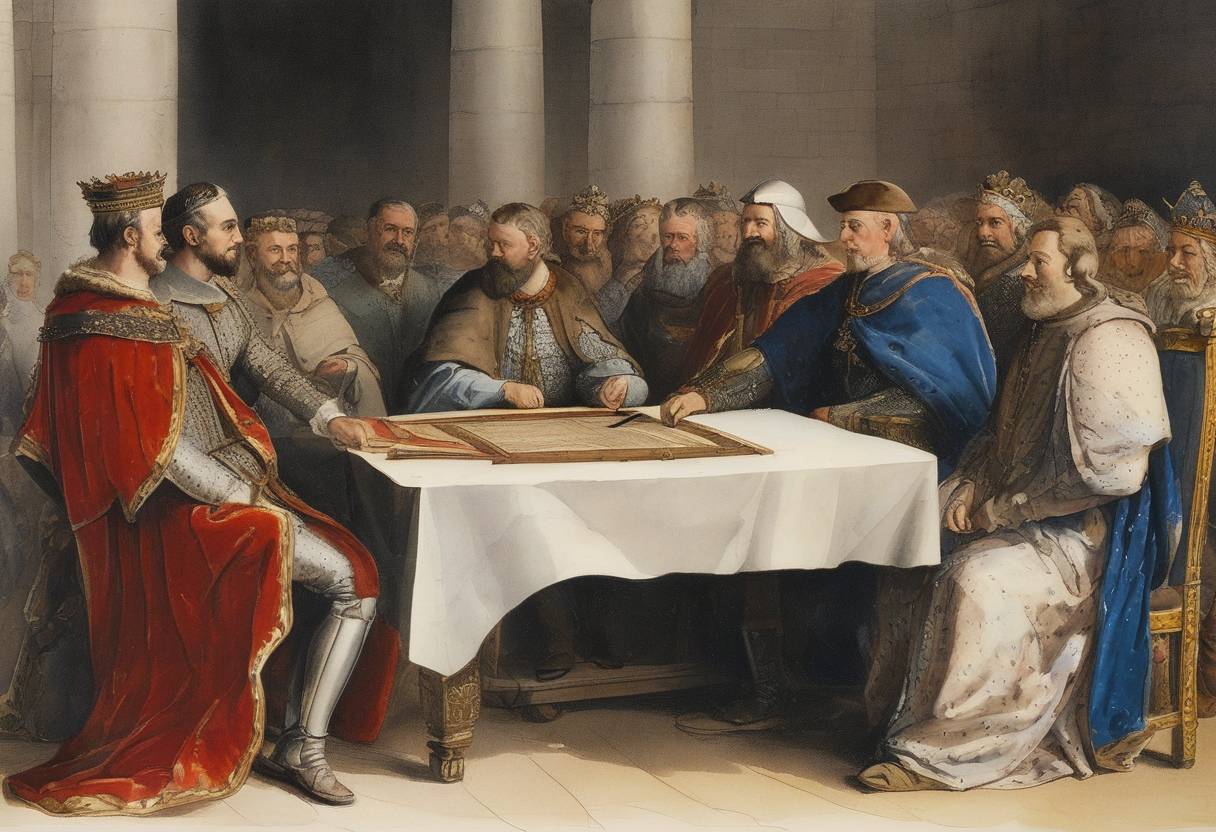
The Treaty of Ghent was signed, ending the War of 1812 between the United States and the United Kingdom. The treaty restored relations between the two nations to status quo ante bellum, meaning no territorial gains were made by either side.
1777
Kiritimati, Kiribati
Kiritimati, also known as Christmas Island, was discovered by Captain James Cook. It is the largest coral atoll in the world and was named for the day of its discovery.
1294
Rome, Papal States
Pope Boniface VIII succeeded Pope Celestine V, who had abdicated earlier in the month. Boniface VIII's papacy was marked by significant conflicts with secular rulers, particularly King Philip IV of France.