In History, Today on September 12

Today we explore events from the year 1213 to the year 2018. Events span the globe, from the countries of France, Switzerland, Kazakhstan, United Kingdom, United States, Austria, Ethiopia, Soviet Union.

1213

Muret, France

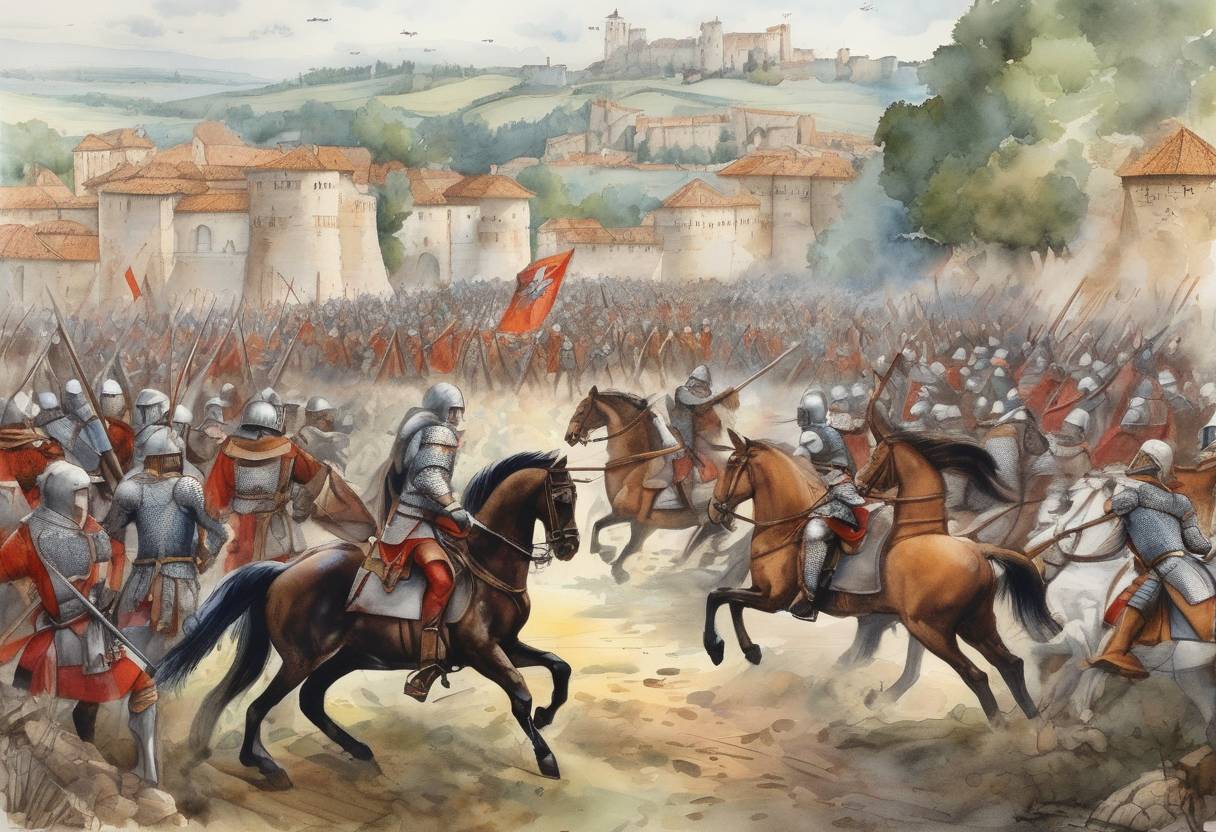
The Battle of Muret took place, where the forces of Simon de Montfort defeated the Crown of Aragon and the County of Toulouse, marking a significant event in the Albigensian Crusade.

1609

New York, United States

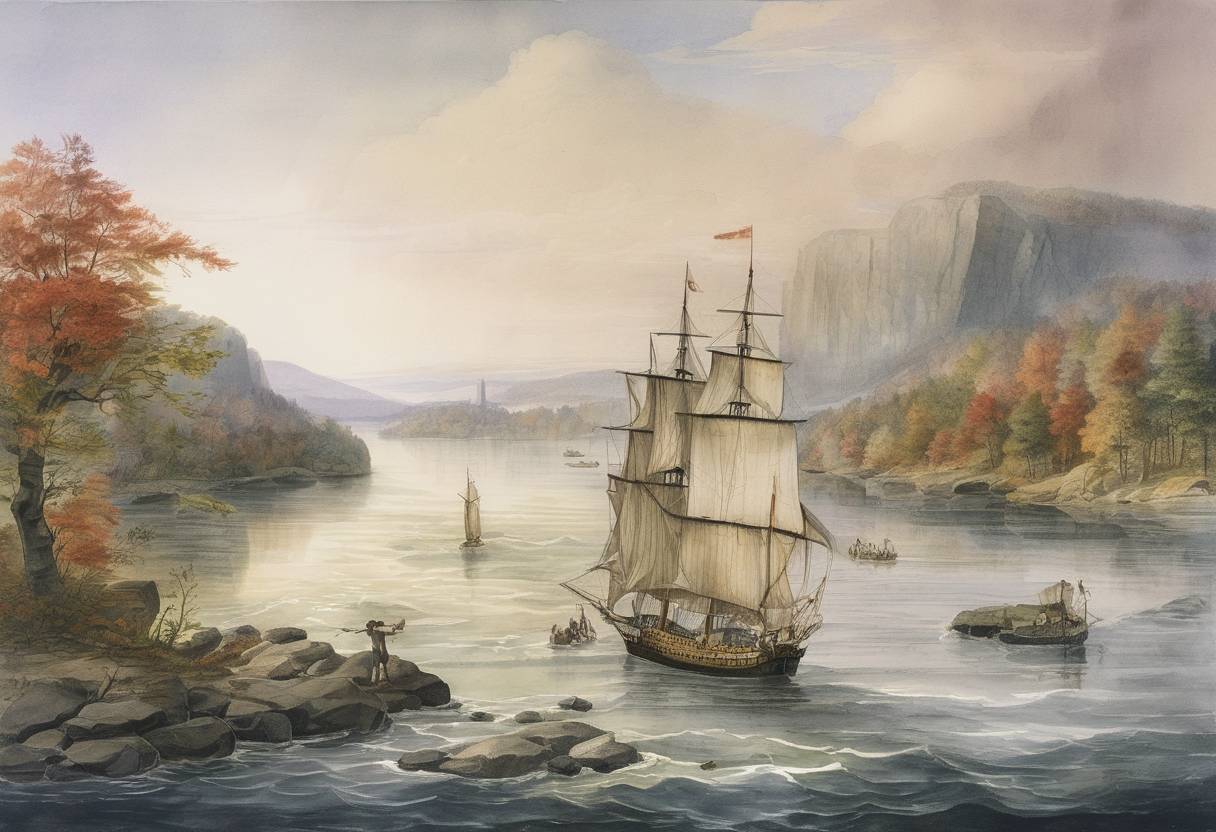
Henry Hudson began his exploration of the river that would later be named after him, the Hudson River, during his search for a Northwest Passage.

1683

Vienna, Austria

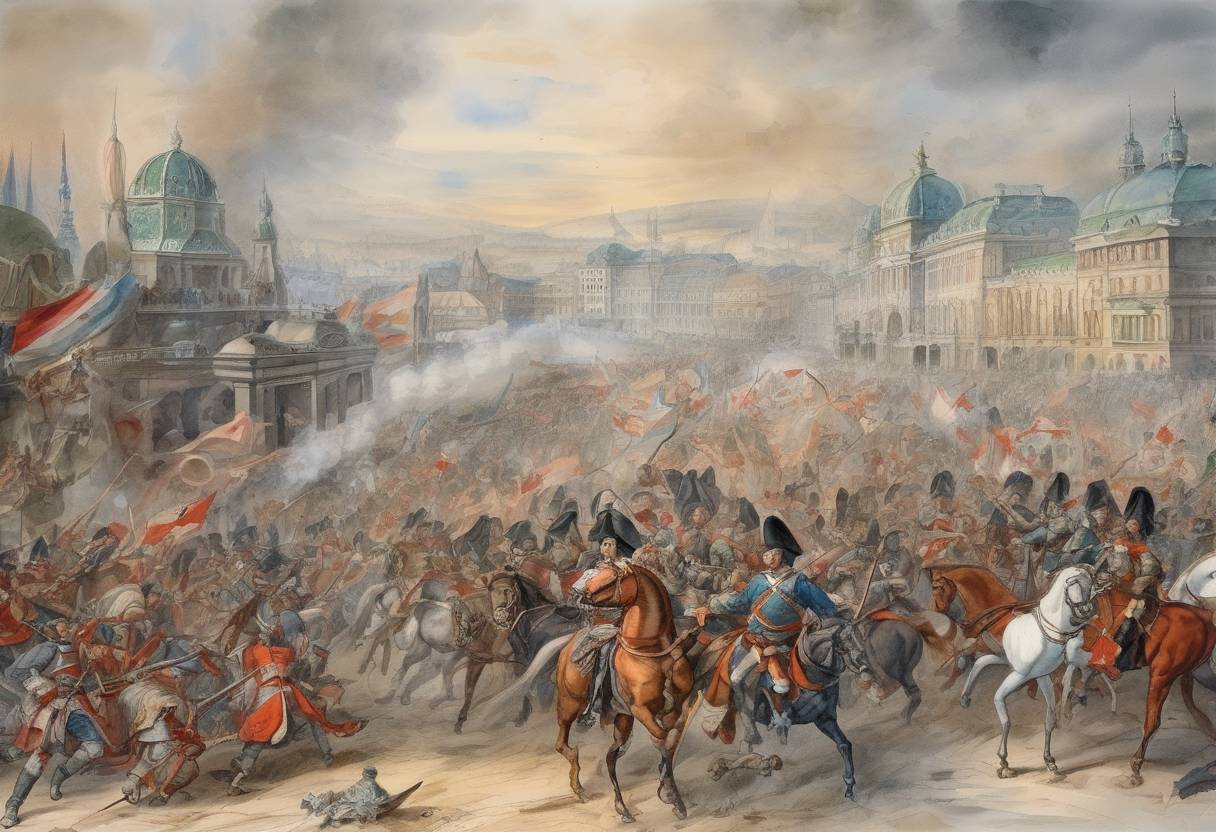
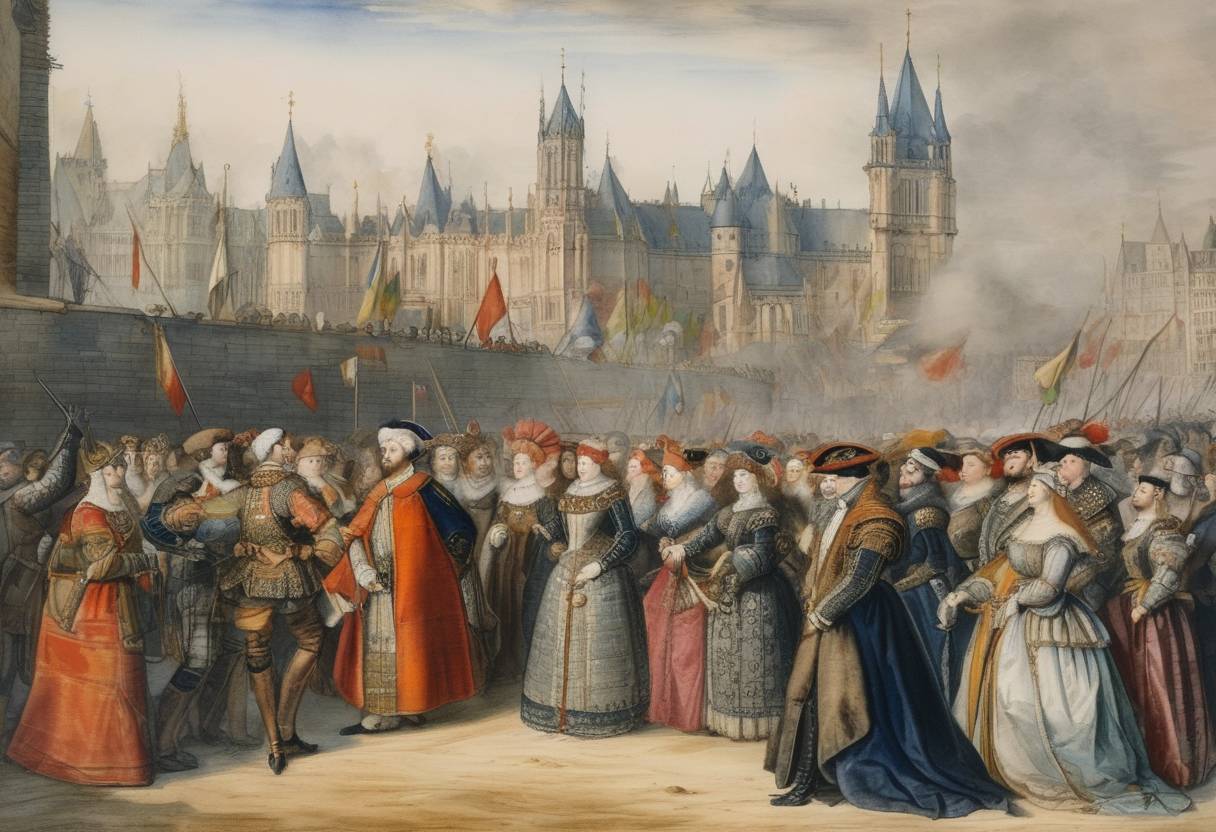
The Battle of Vienna takes place, marking a turning point in the Ottoman-Habsburg wars.

1848

Bern, Switzerland

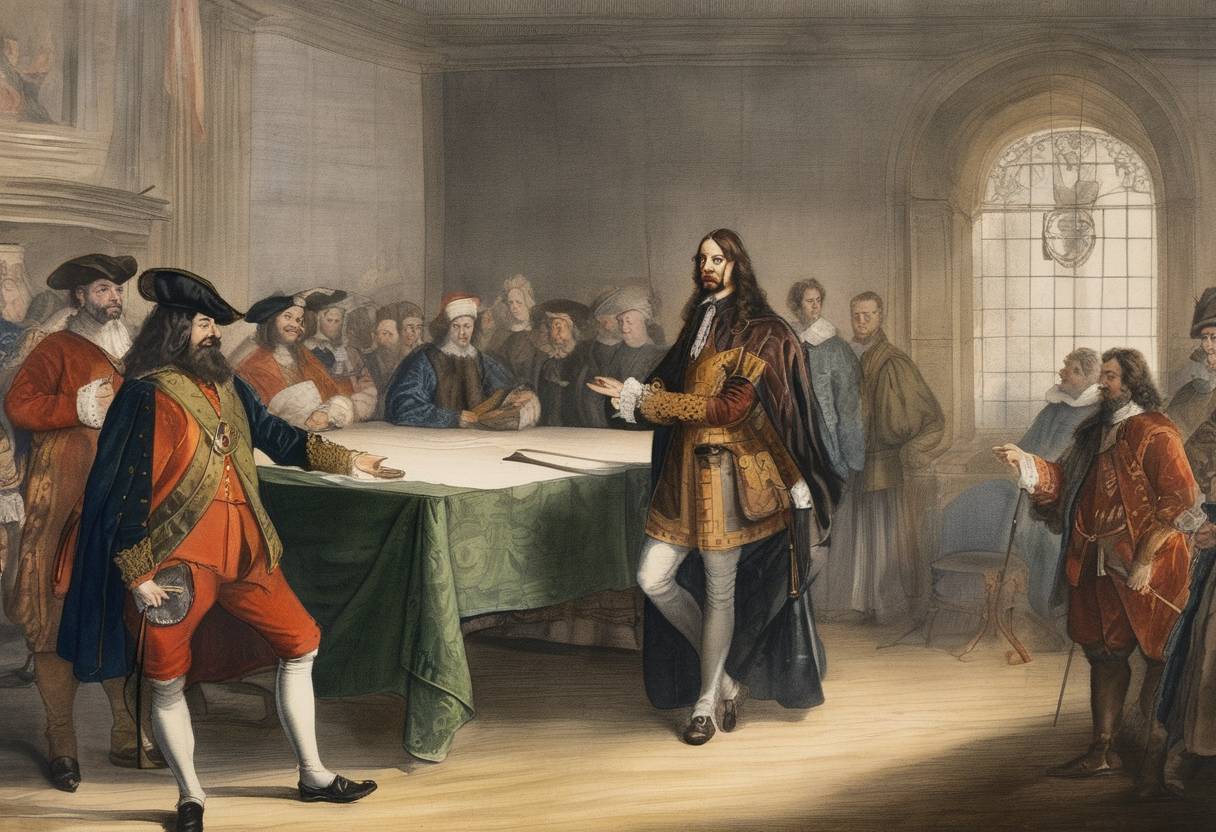
Switzerland adopted its first federal constitution, which established the country as a federal state, marking a significant step in its political development.

Ad

1940

Montignac, France

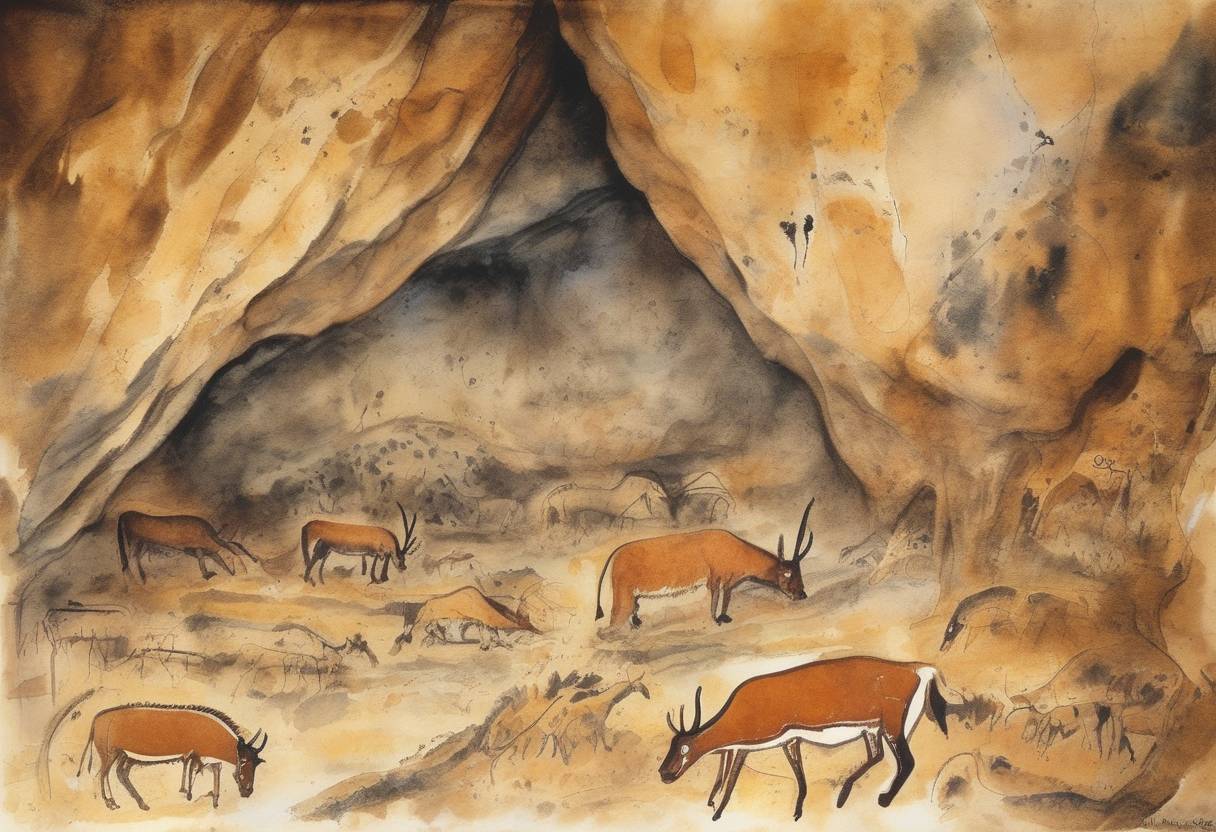
The Lascaux Caves were discovered in France, containing some of the most famous examples of prehistoric cave paintings.

1953

Newport, United States

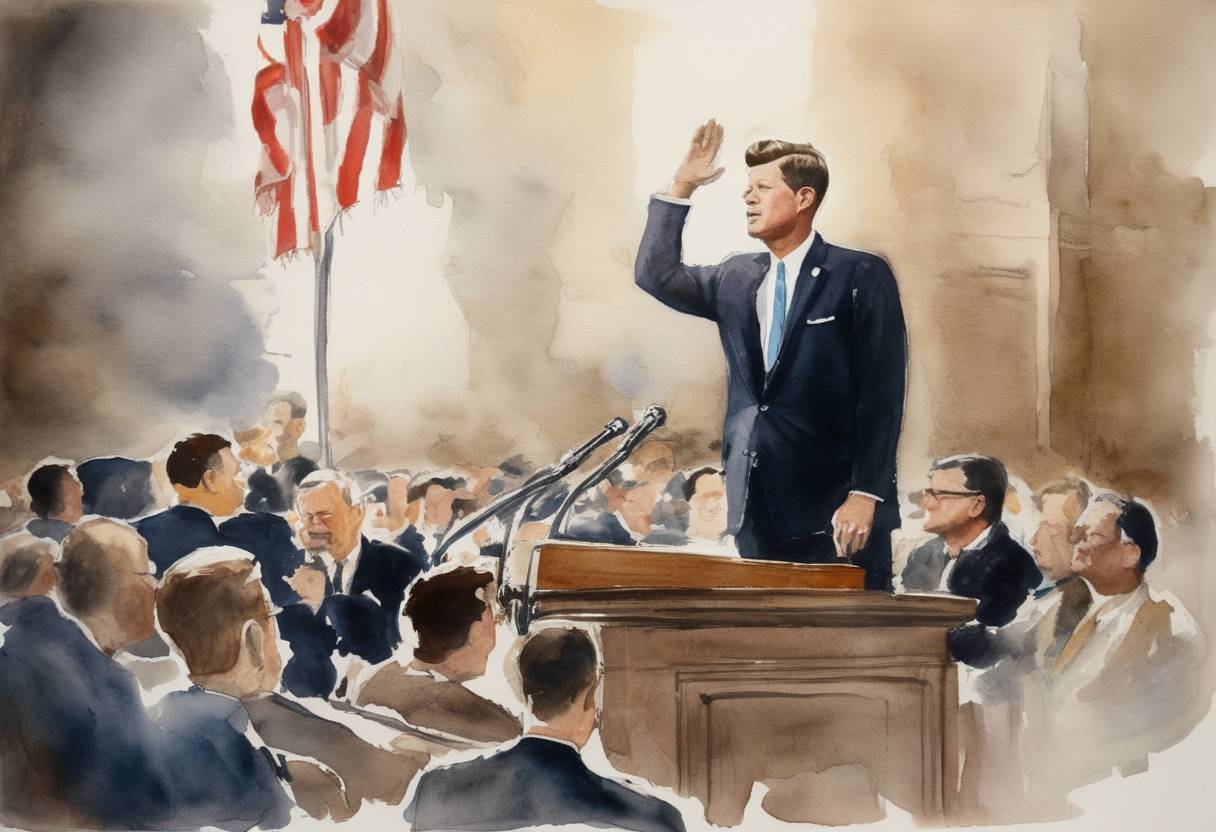
John F. Kennedy married Jacqueline Bouvier in a ceremony held at St. Mary's Church in Newport, Rhode Island.

1958

Little Rock, United States

The United States Supreme Court ordered the integration of Little Rock Central High School in Arkansas, enforcing the Brown v. Board of Education decision.

1959

Baikonur, Kazakhstan

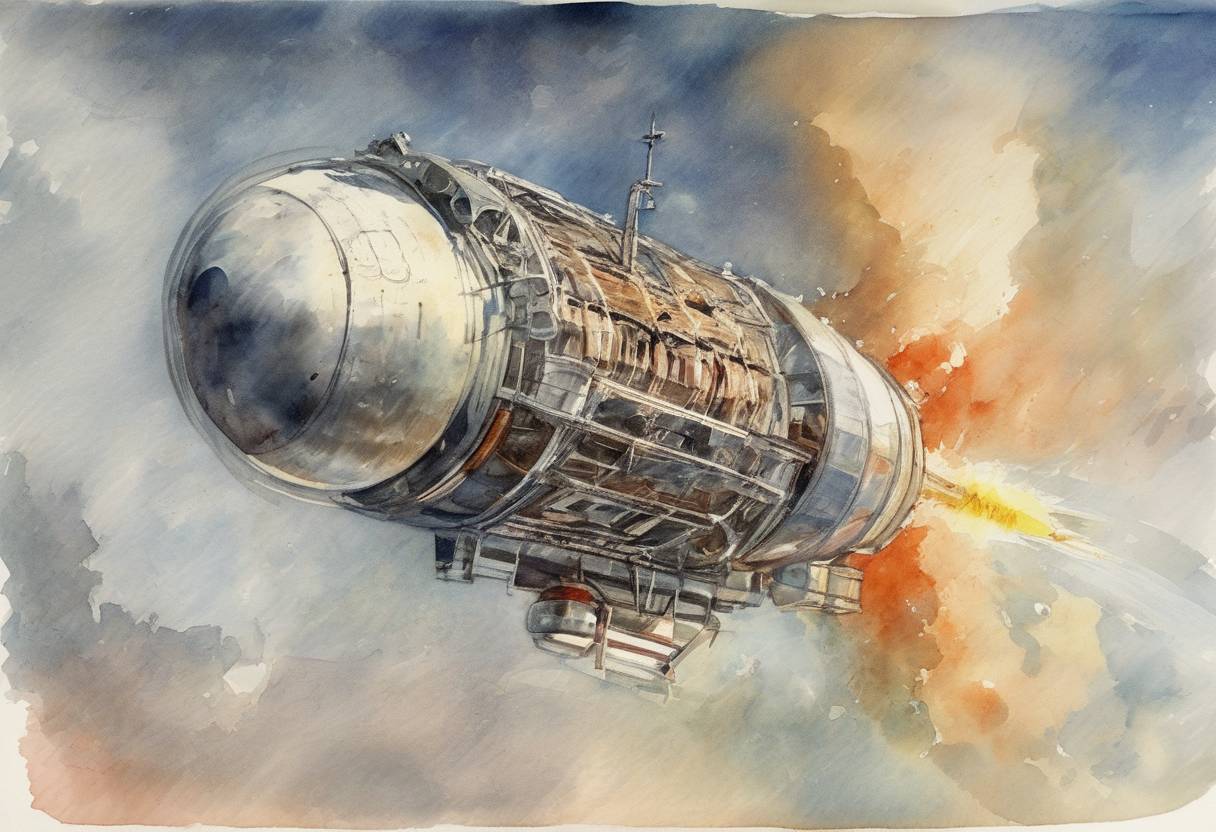
The Soviet Union launches Luna 2, the first spacecraft to reach the Moon.

1974

Addis Ababa, Ethiopia

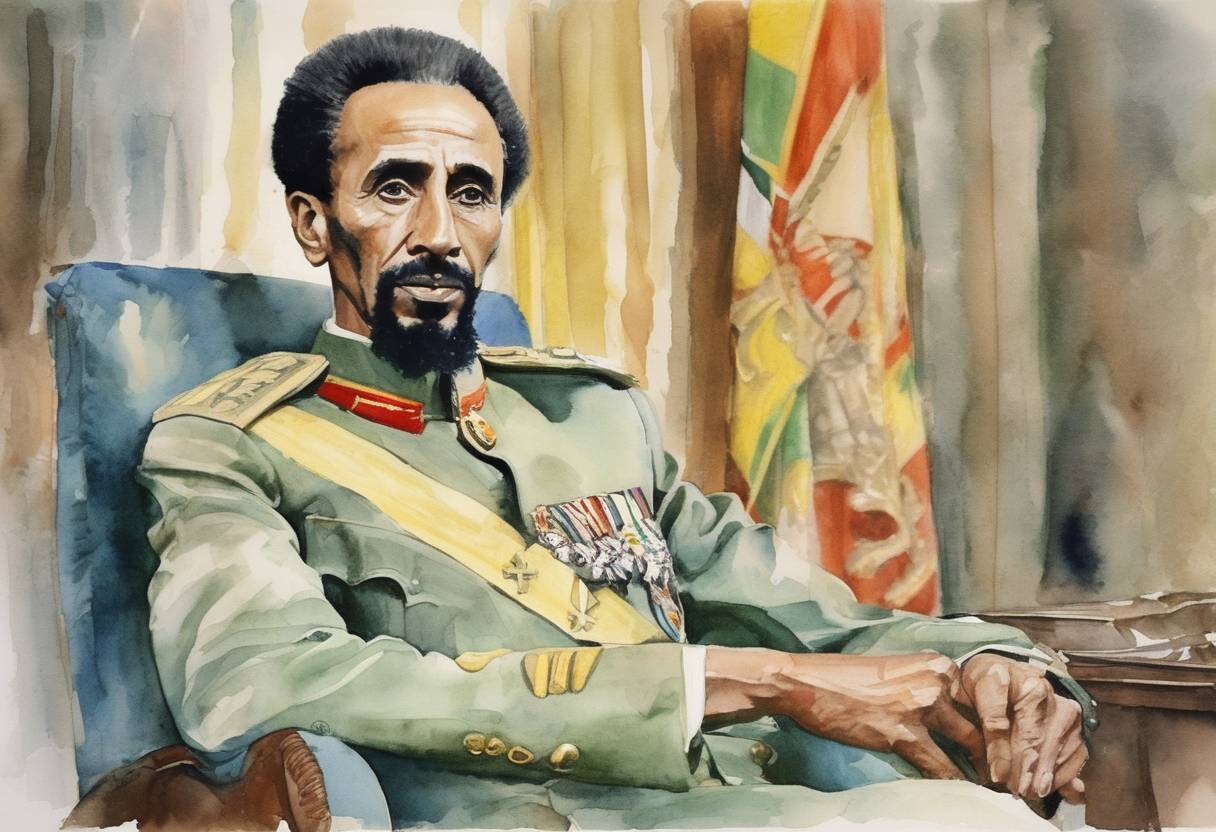
Emperor Haile Selassie I of Ethiopia was deposed in a coup d'état, ending his reign and leading to the establishment of a Marxist-Leninist government.

Ad

1990

Moscow, Soviet Union

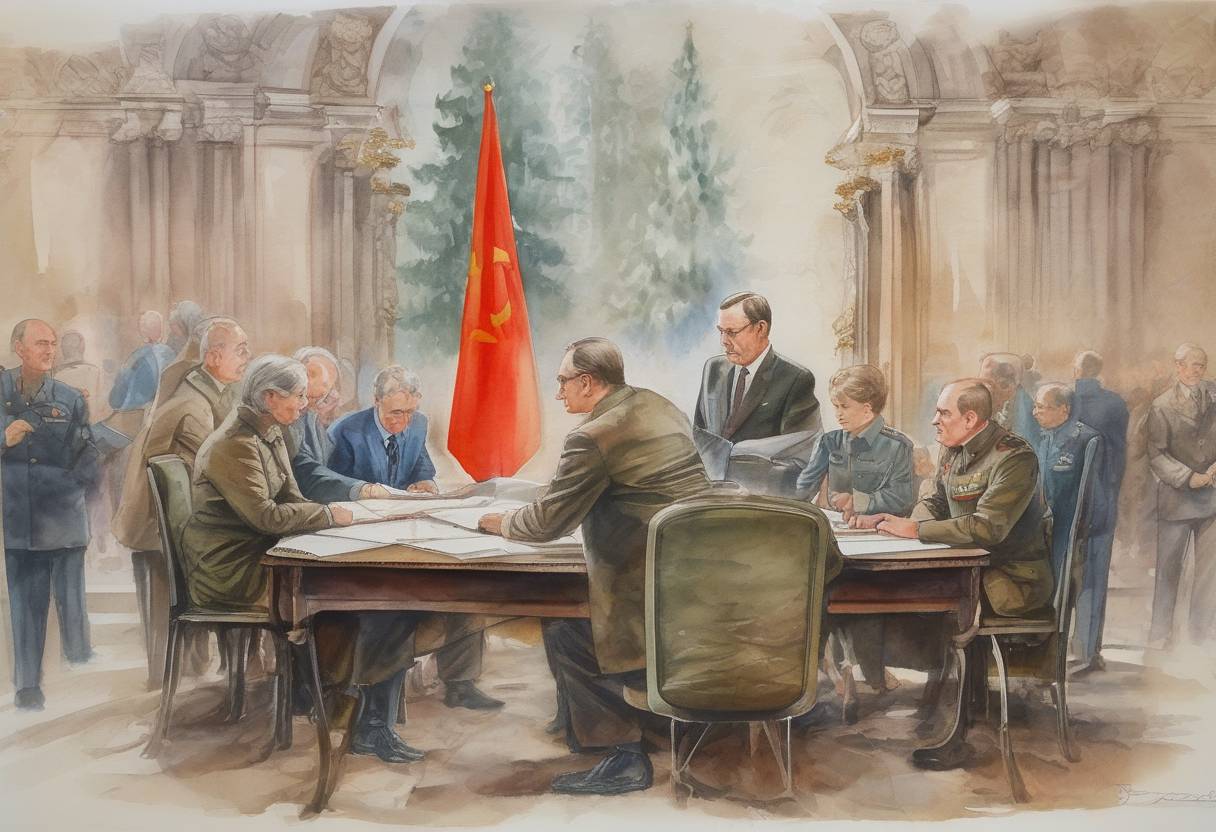
The Treaty on the Final Settlement with Respect to Germany, also known as the Two Plus Four Agreement, was signed, paving the way for German reunification.

1992

Cape Canaveral, United States

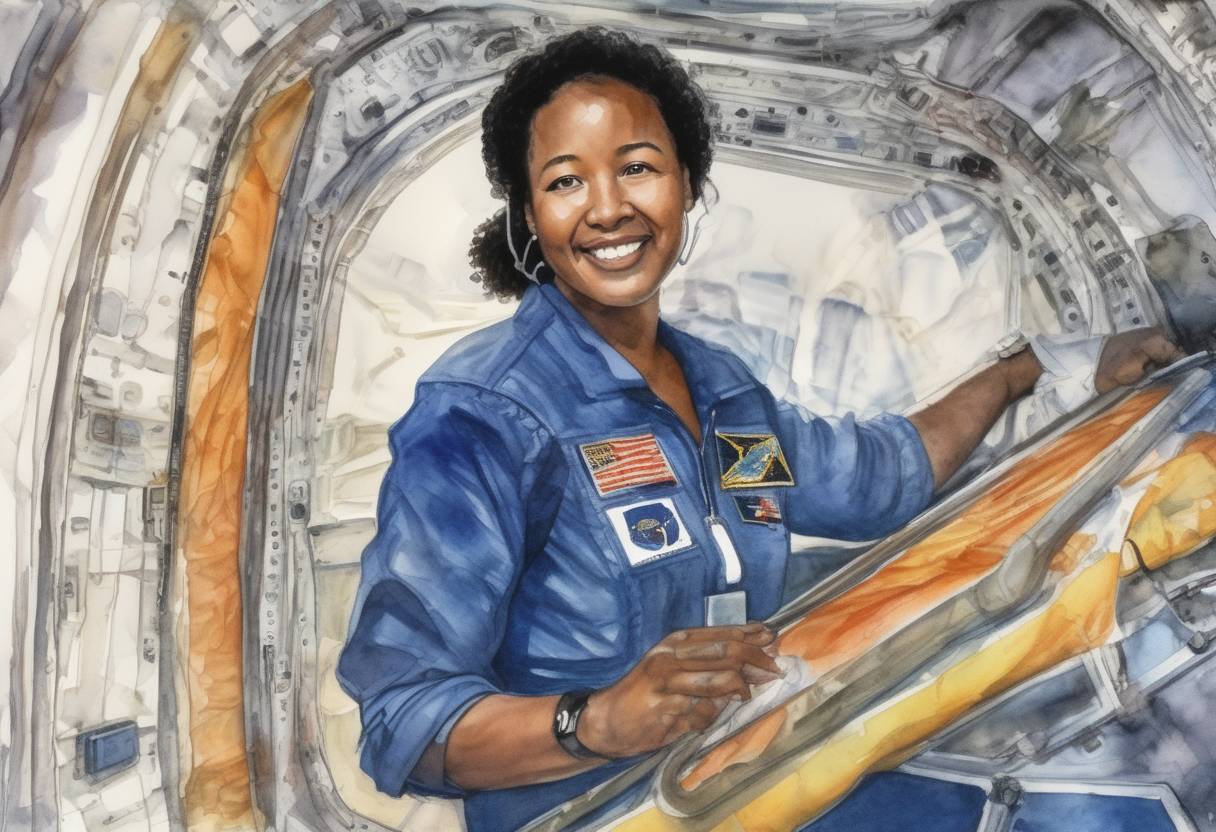
Dr. Mae Jemison becomes the first African American woman in space aboard Space Shuttle Endeavour.

2001

Washington D.C., United States

In the aftermath of the September 11 attacks, the United States and the world began to grapple with the implications of the terrorist acts. The U.S. government initiated a series of responses, including the launch of the War on Terror and the creation of the Department of Homeland Security.

2003

New York, United States

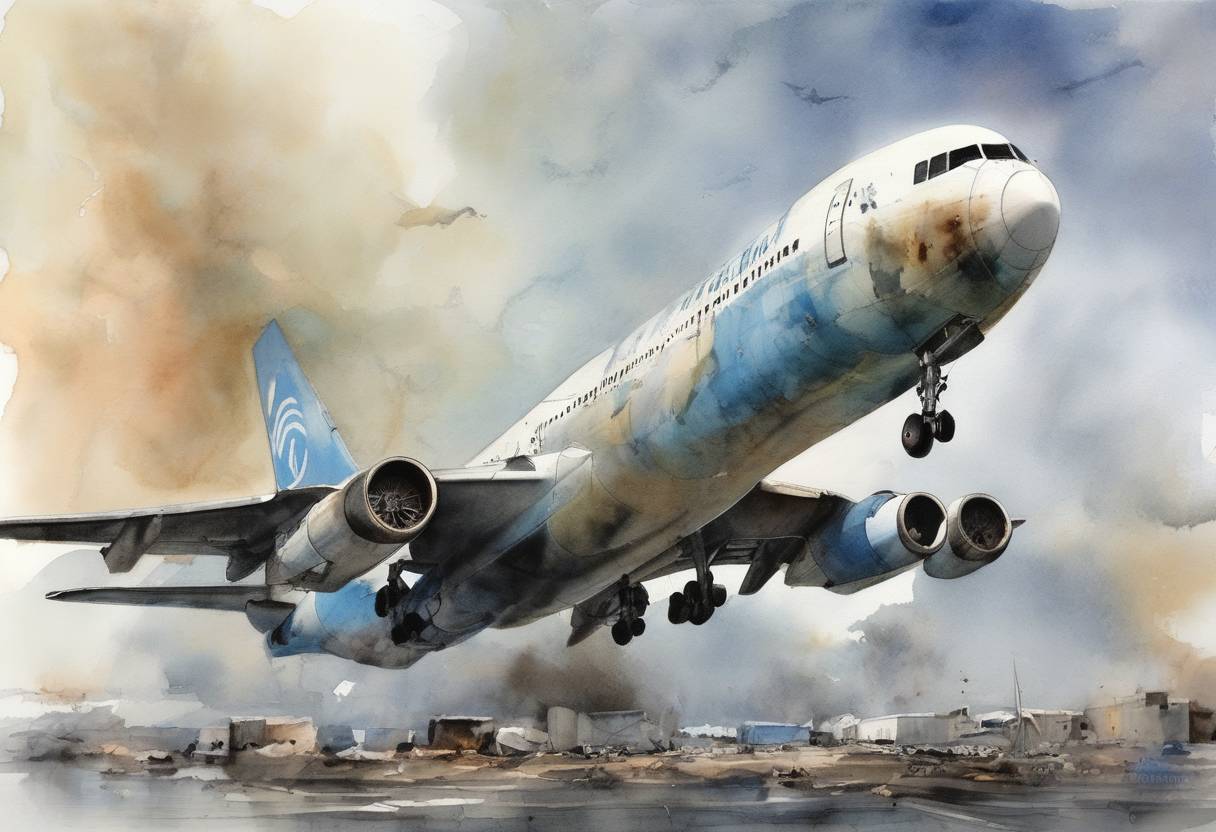
The United Nations lifted sanctions against Libya after it accepted responsibility for the 1988 bombing of Pan Am Flight 103 over Lockerbie, Scotland, and agreed to pay compensation to the victims' families.

2005

Vienna, Austria

The International Atomic Energy Agency (IAEA) reported that Iran had resumed uranium conversion activities, heightening tensions over its nuclear program. This development led to increased international scrutiny and negotiations over Iran's nuclear ambitions.

2011

New York, United States

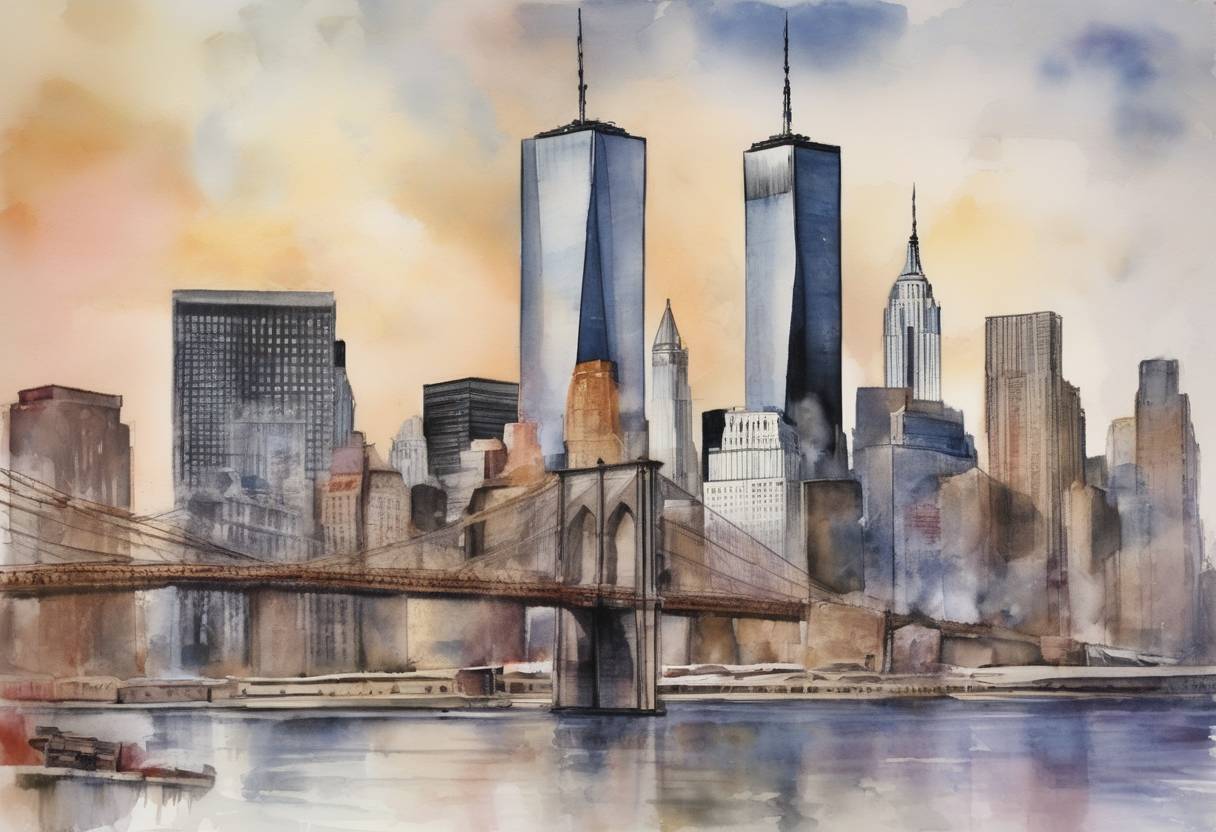
The United States commemorated the 10th anniversary of the September 11 attacks with memorials and ceremonies across the country.

2015

London, United Kingdom

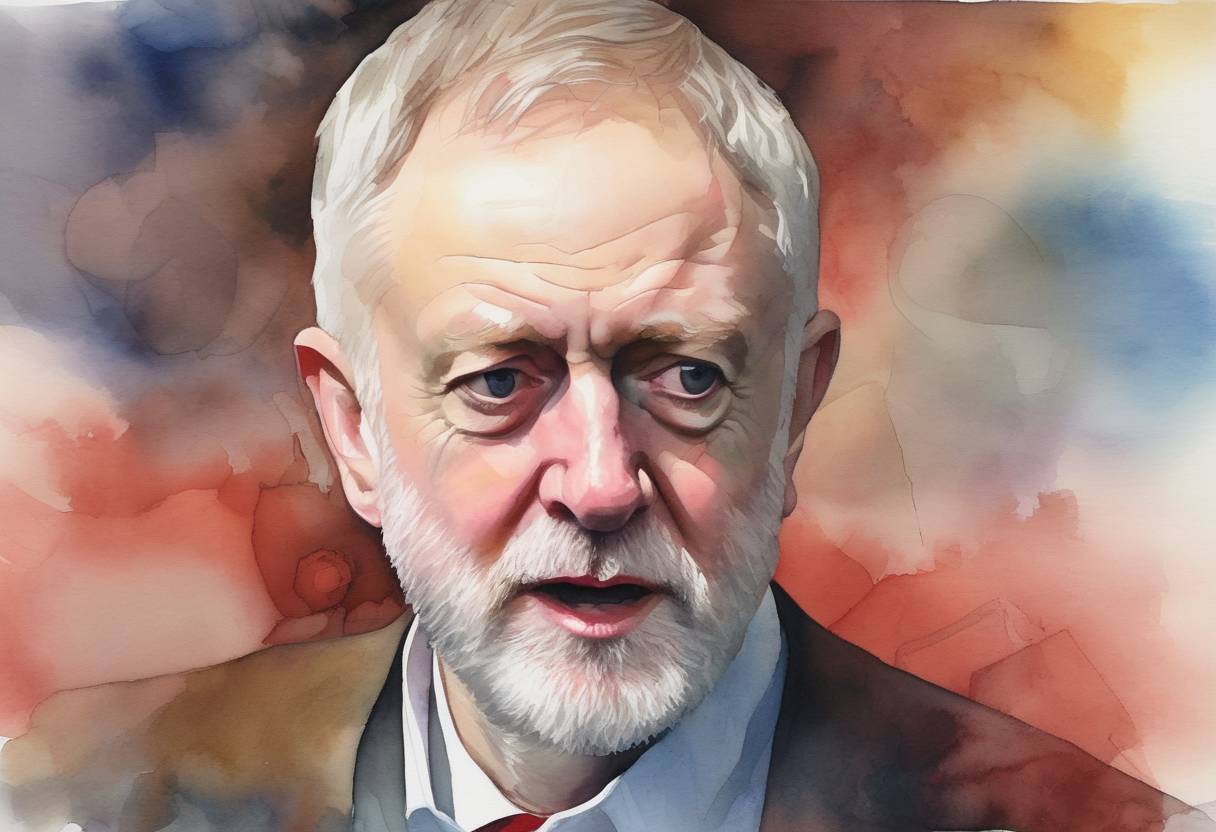
Jeremy Corbyn was elected leader of the UK Labour Party, marking a significant shift to the left in the party's policies and leadership.

2018

Strasbourg, France

The European Parliament voted to trigger Article 7 against Hungary, citing concerns about breaches of the EU's core values, including the rule of law, democracy, and human rights. This was a significant move in the EU's efforts to address issues within member states.