In History, Today on April 5

Today we explore events from the year 1242 to the year 2019. Events span the globe, from the countries of Afghanistan, Russia, United States, Chile, India, United Kingdom, Syria, Bosnia and Herzegovina, North Korea.

1242

Lake Peipus, Russia

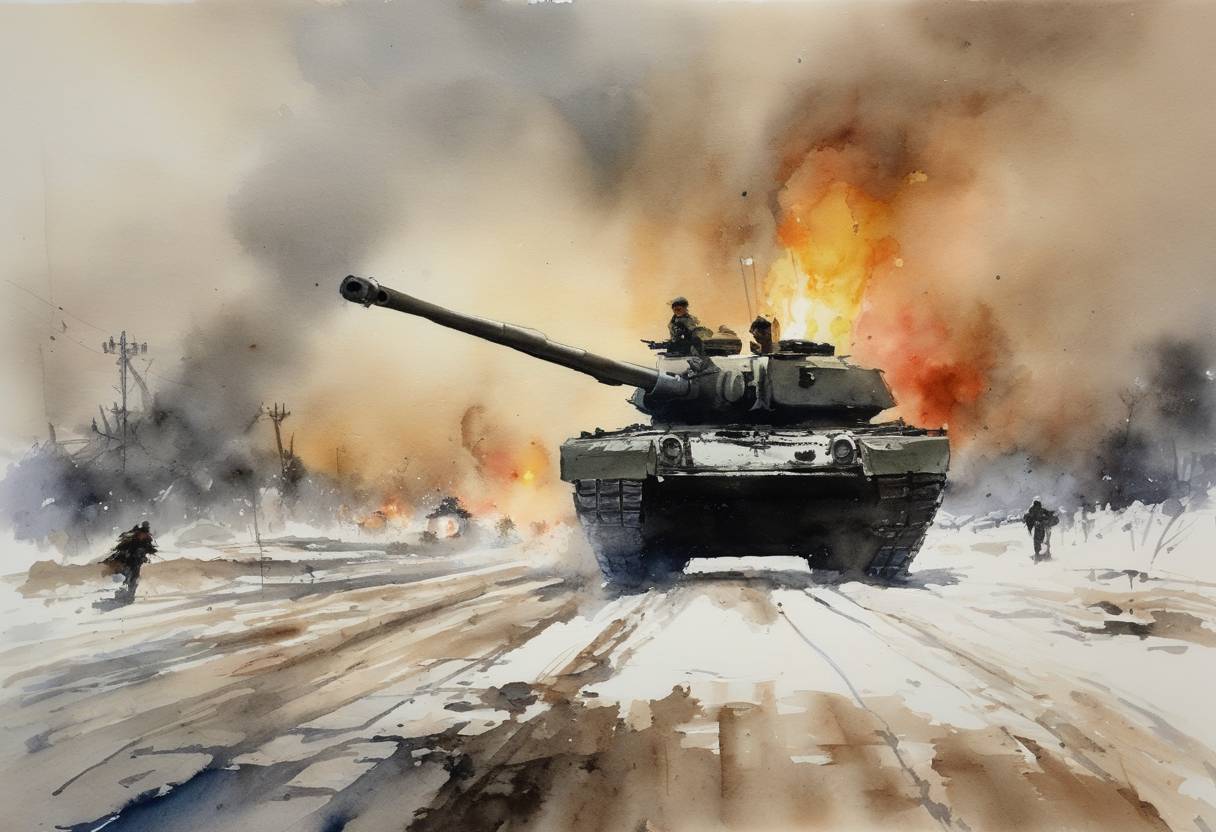
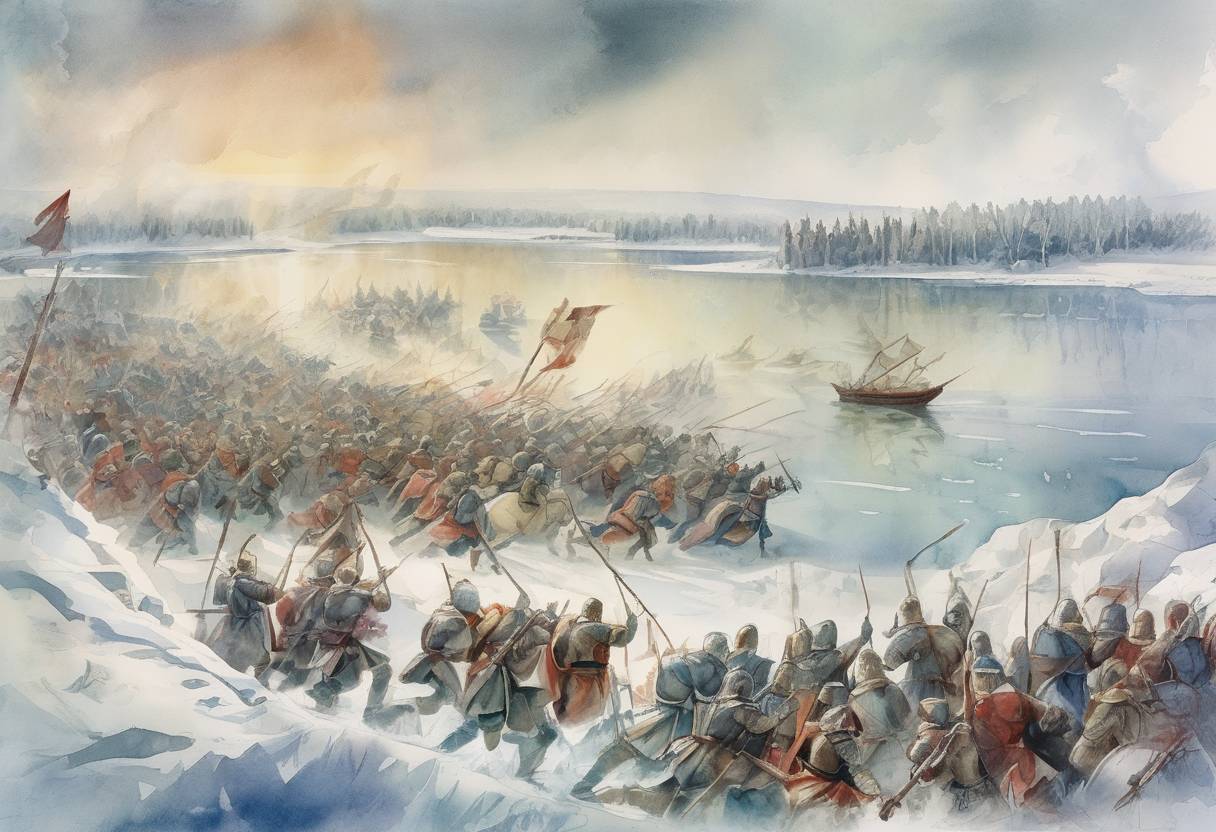
The Battle of the Ice took place on Lake Peipus, where Russian forces led by Alexander Nevsky defeated the Teutonic Knights.

1614

Jamestown, United States

Pocahontas, daughter of the Powhatan chief, married English colonist John Rolfe in Virginia, which helped establish peace between the settlers and the Powhatan Confederacy.

1722

Easter Island, Chile

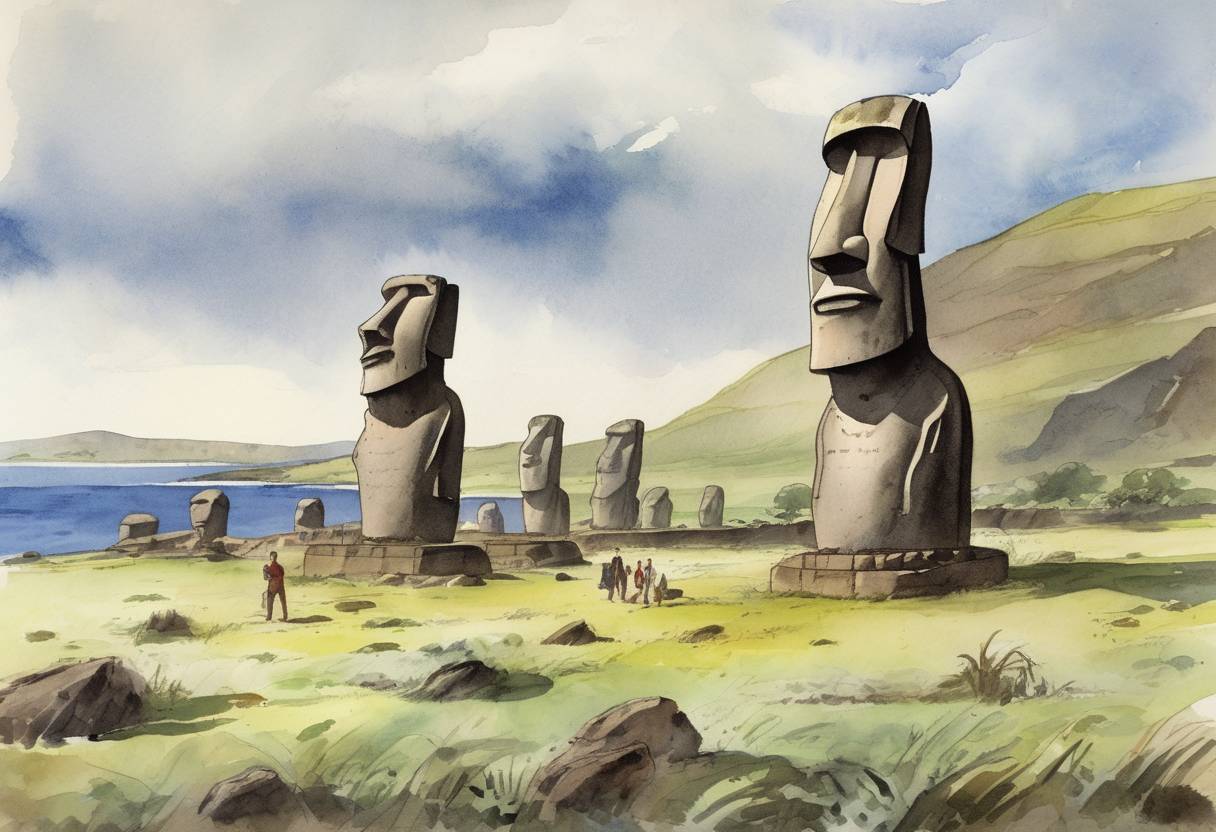
Dutch explorer Jacob Roggeveen discovered Easter Island, known for its monumental statues called moai.

1792

Washington, D.C., United States

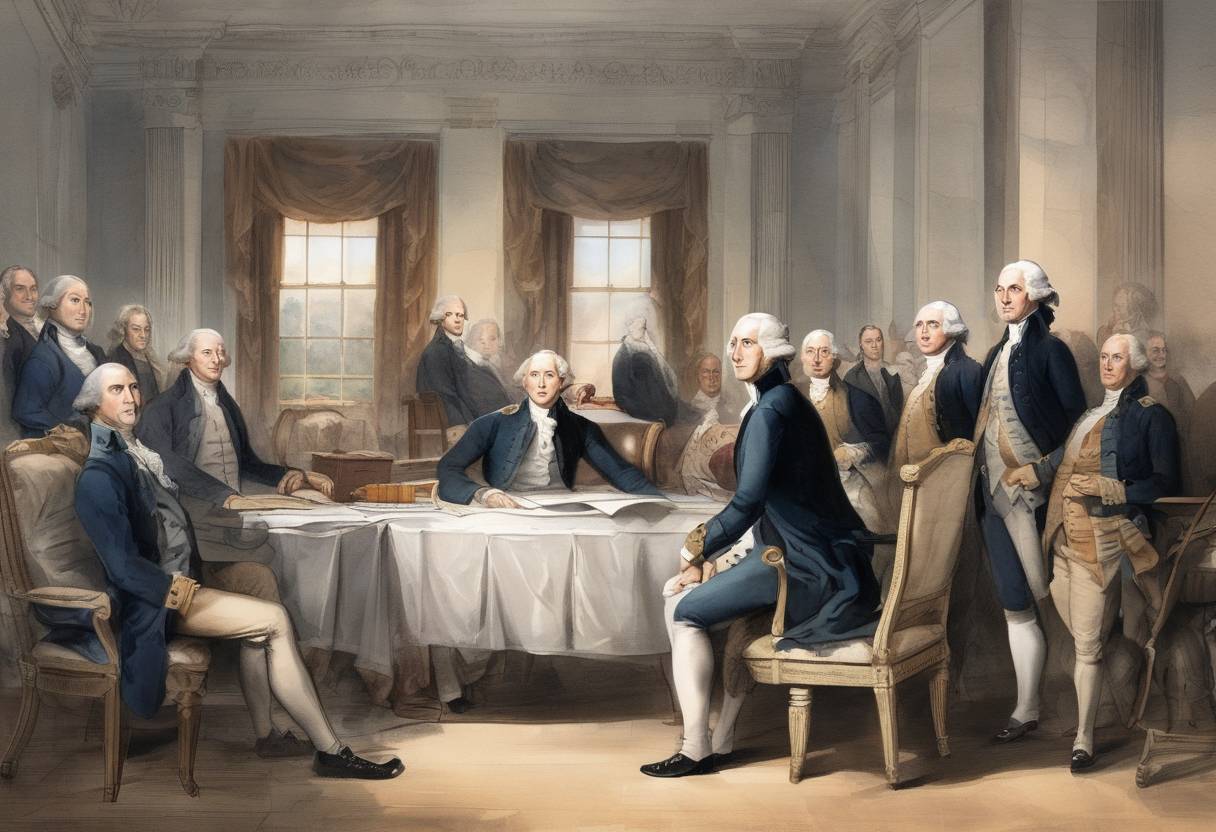
U.S. President George Washington exercised the first presidential veto, rejecting a congressional measure for apportioning representatives among the states.

Ad

1879

Santiago, Chile

Chile declared war on Bolivia and Peru, marking the beginning of the War of the Pacific.

1922

New York City, United States

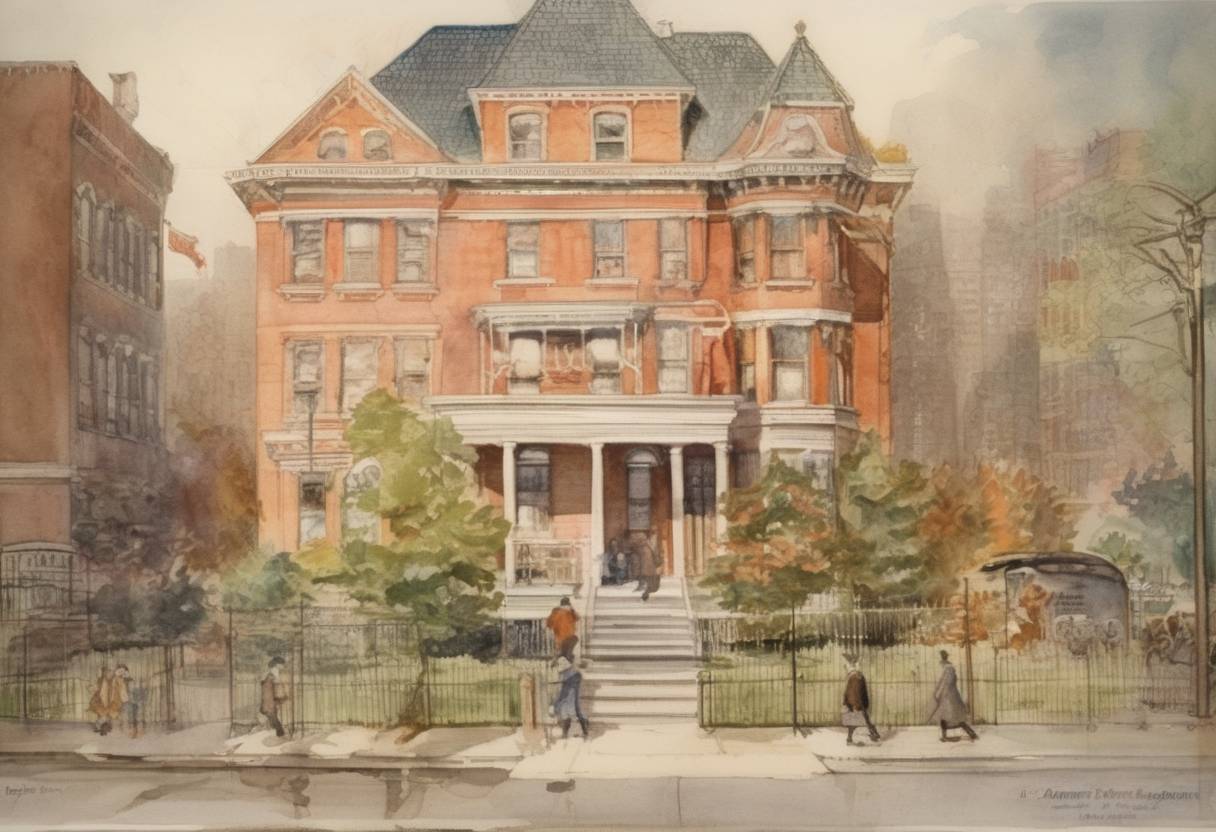
The American Birth Control League, which later became Planned Parenthood, was incorporated by Margaret Sanger in New York City.

1923

Akron, United States

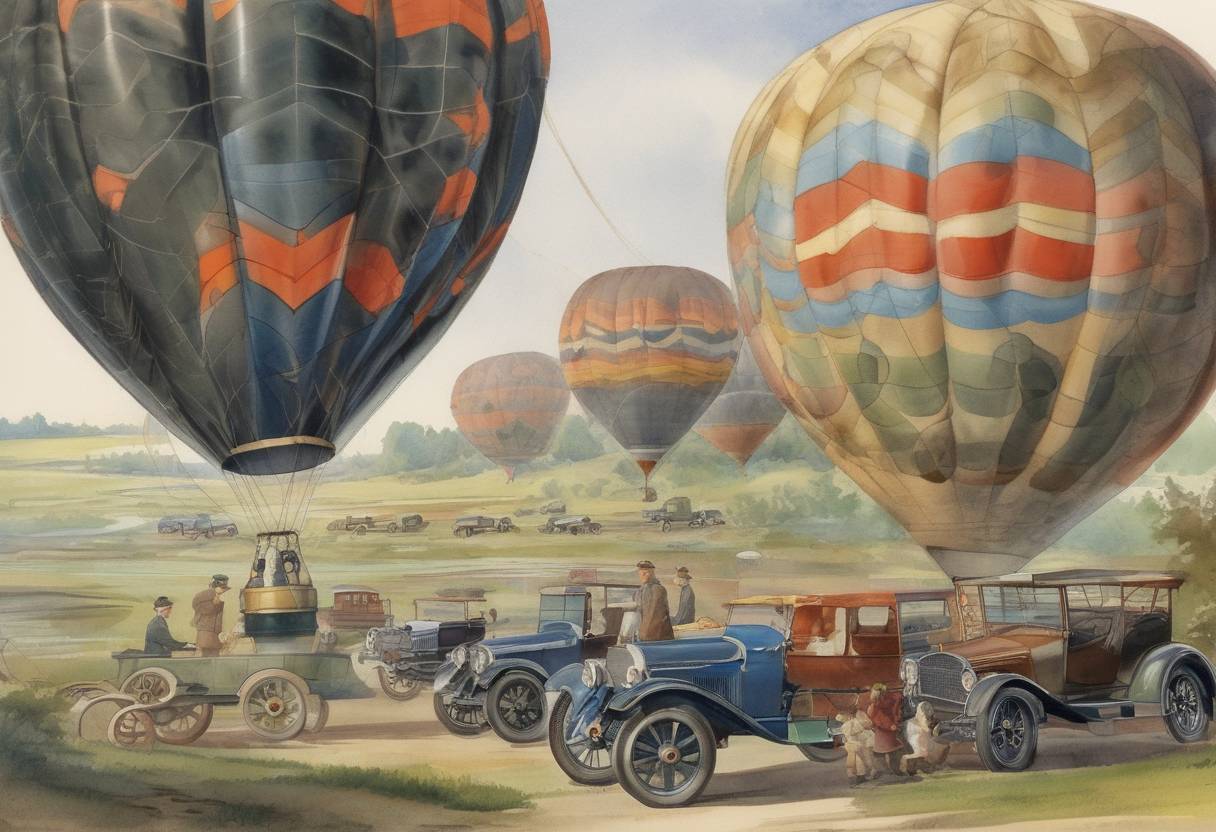
Firestone Tire and Rubber Company began production of balloon tires, which were a significant innovation in the automotive industry.

1930

Dandi, India

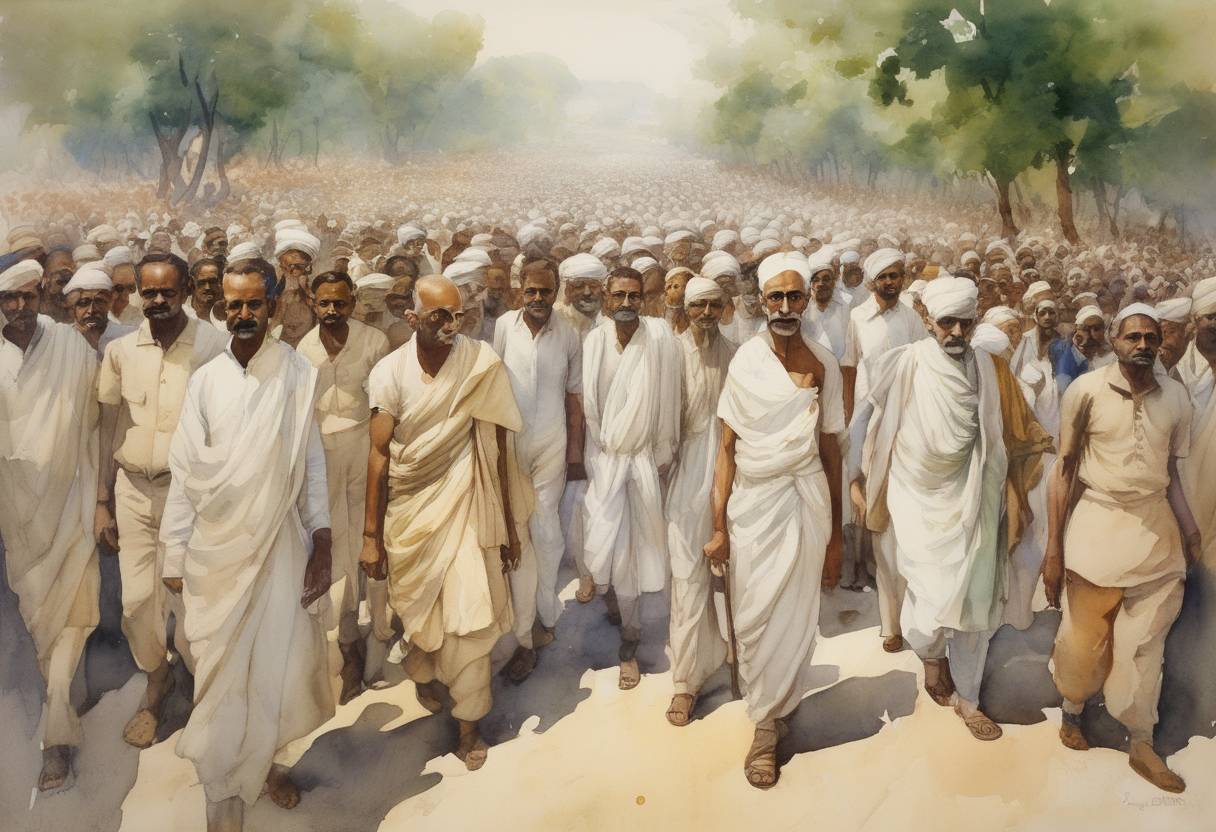
Mahatma Gandhi completed the Salt March, a 240-mile protest against the British salt tax in India, which became a significant event in the Indian independence movement.

1933

Washington, D.C., United States

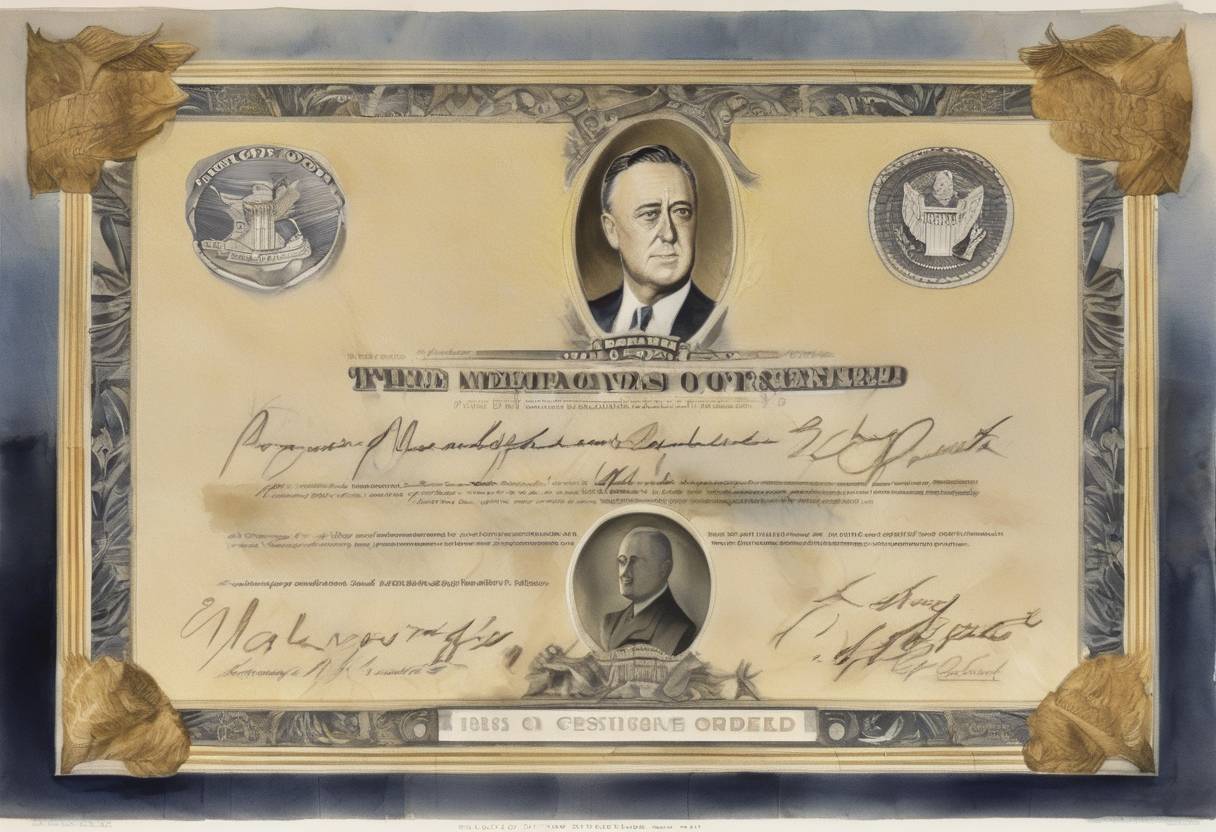
U.S. President Franklin D. Roosevelt signed Executive Order 6102, which required Americans to surrender their gold coins, gold bullion, and gold certificates to the Federal Reserve in exchange for paper currency.

Ad

1951

New York City, United States

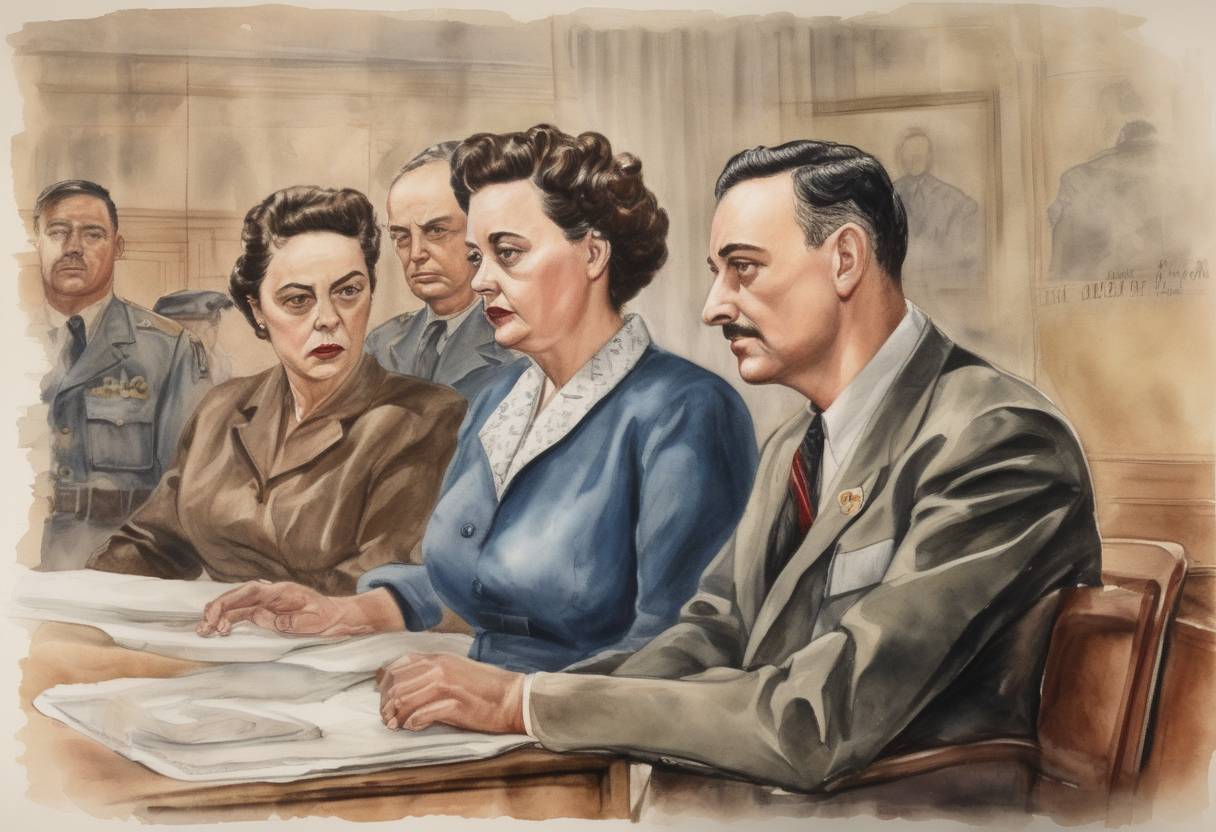
Julius and Ethel Rosenberg were sentenced to death for conspiracy to commit espionage for the Soviet Union, in one of the most controversial espionage cases of the Cold War.

1955

London, United Kingdom

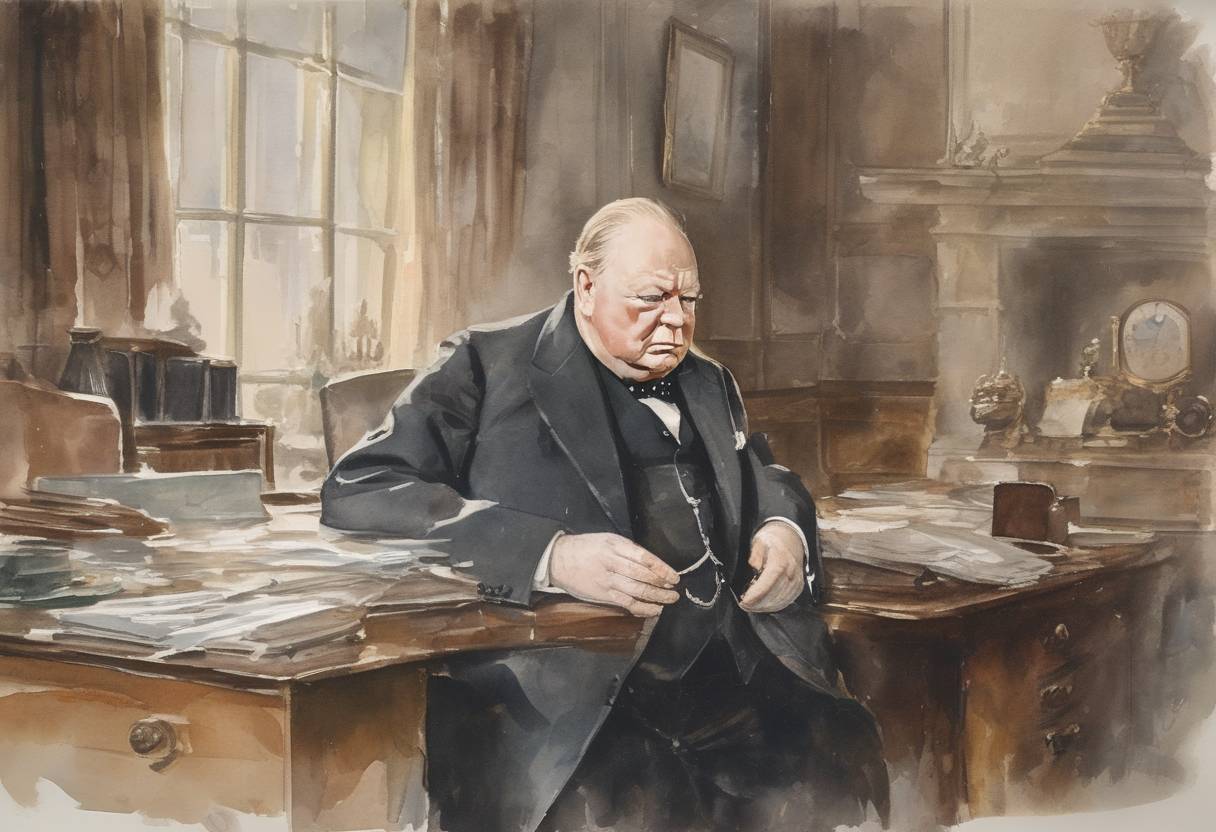
Winston Churchill resigned as Prime Minister of the United Kingdom due to ill health, marking the end of his political career.

1976

London, United Kingdom

James Callaghan became Prime Minister of the United Kingdom, succeeding Harold Wilson.

1992

Sarajevo, Bosnia and Herzegovina

Bosnian Serbs began the siege of Sarajevo, marking the start of the Bosnian War, which resulted in significant loss of life and destruction.

2009

Pyongyang, North Korea

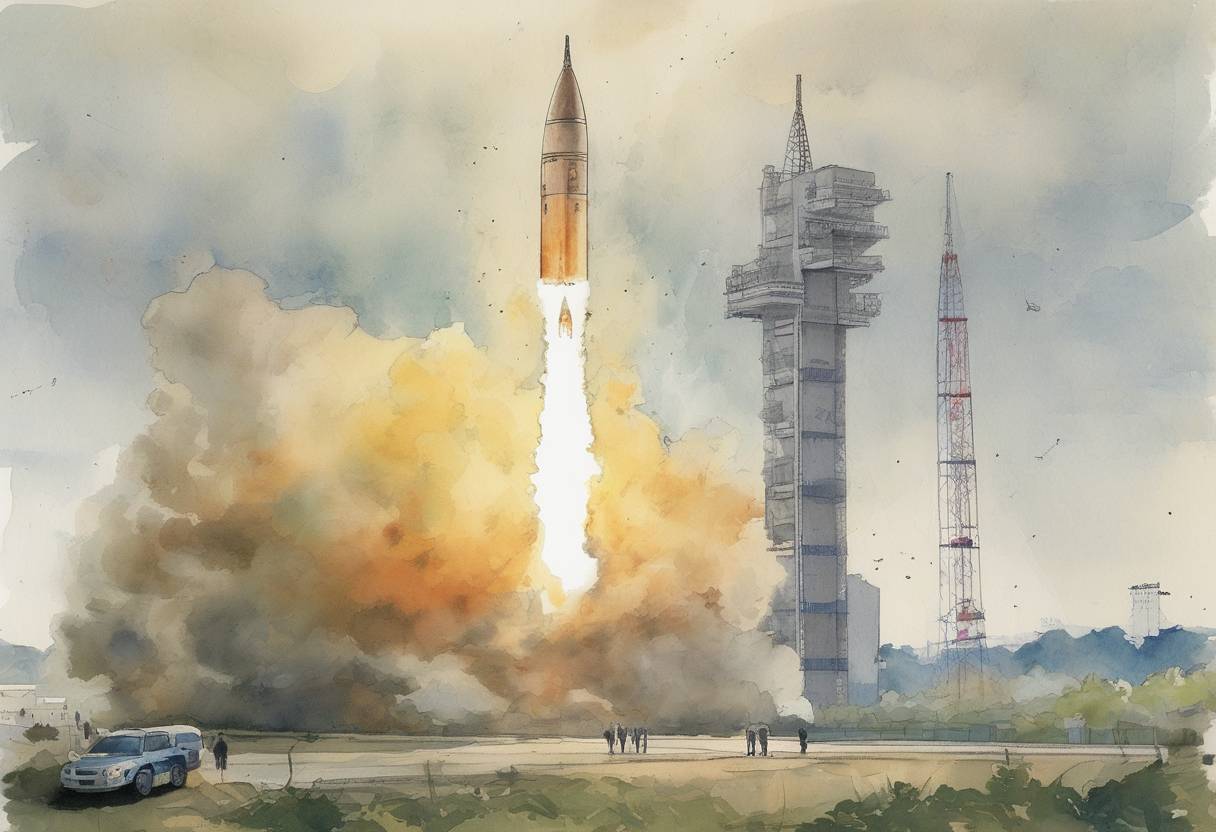
North Korea launched a long-range rocket, which it claimed was carrying a communications satellite. The launch was widely condemned by the international community, including the United Nations, as a violation of UN Security Council resolutions prohibiting North Korea from conducting ballistic missile tests.

2010

Montcoal, United States

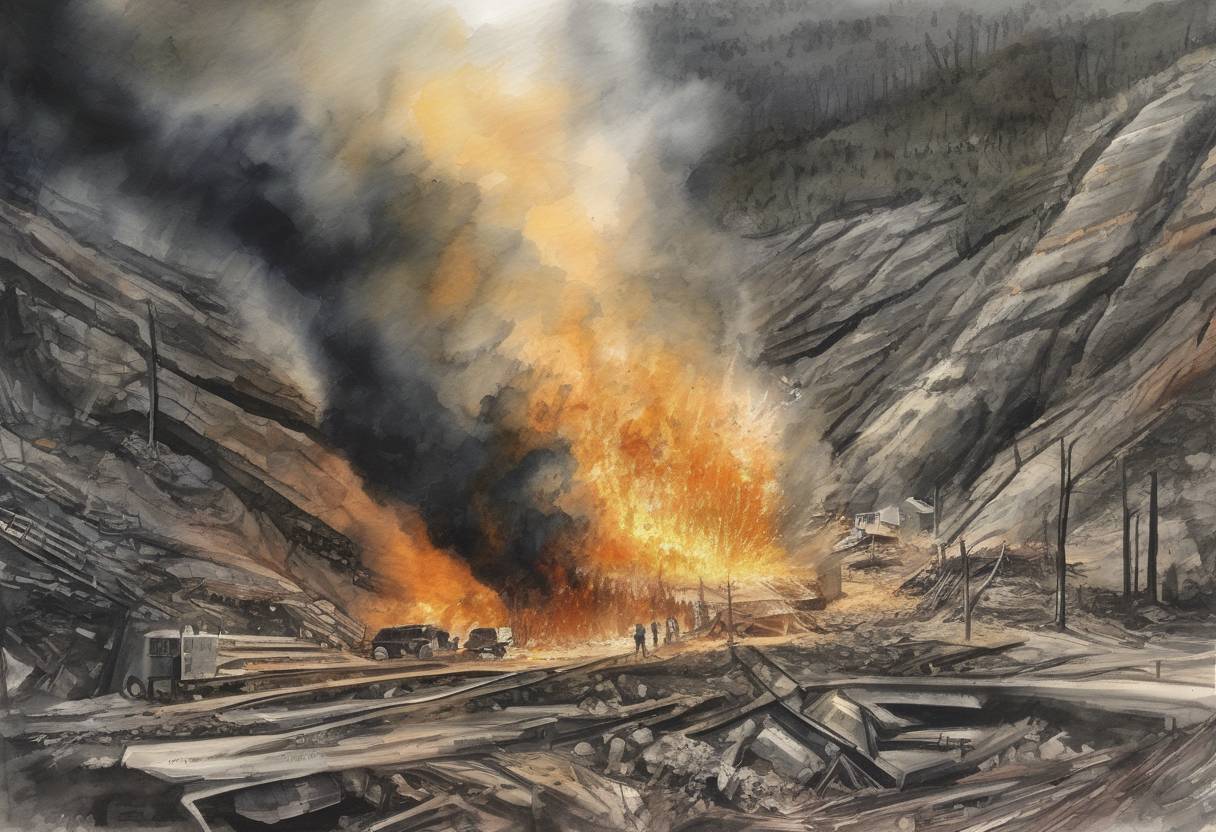
An explosion at the Upper Big Branch Mine in West Virginia, USA, killed 29 miners. This was the worst mining disaster in the United States since 1970. The explosion was caused by a build-up of methane gas, and subsequent investigations revealed numerous safety violations by the mine's operator, Massey Energy.

2014

Kabul, Afghanistan

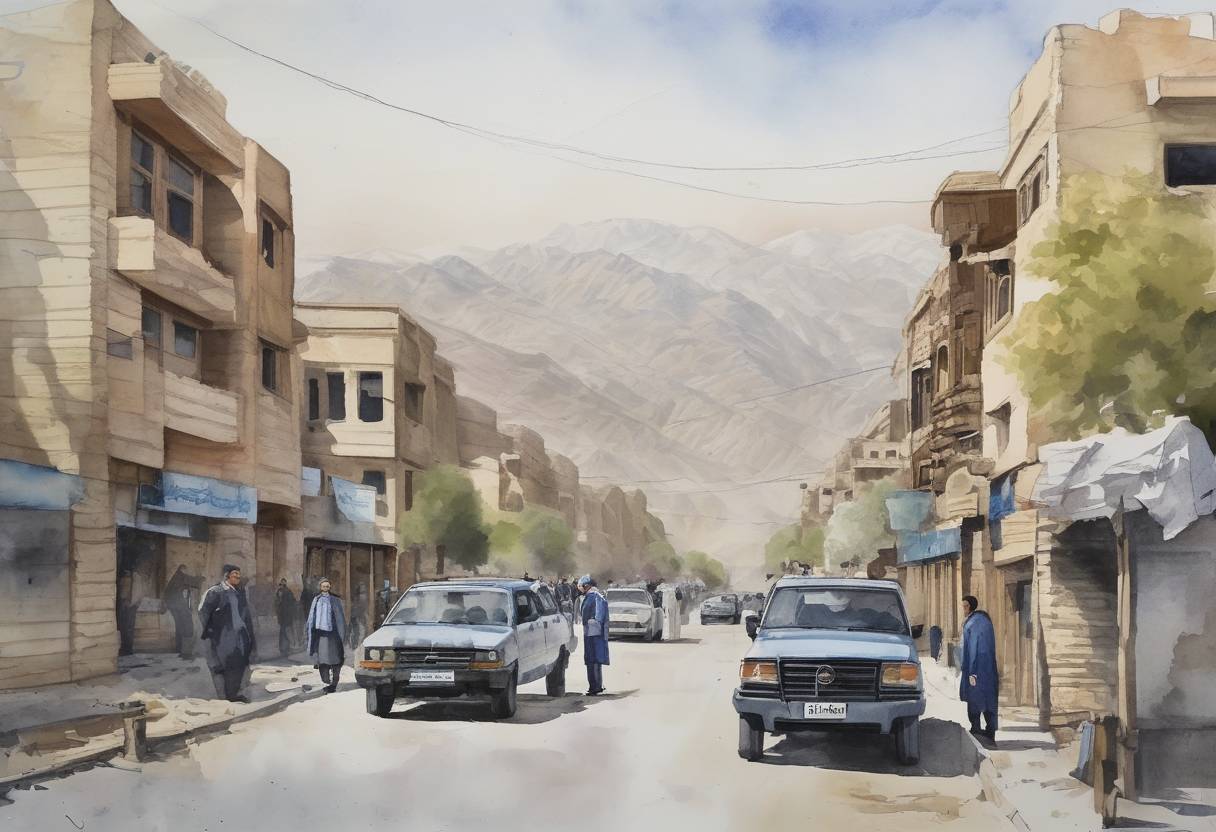
Afghanistan held its presidential election, marking the first democratic transfer of power in the country's history. The election was a significant step in Afghanistan's political development, despite challenges such as security threats from the Taliban and allegations of electoral fraud.

2017

Shayrat, Syria

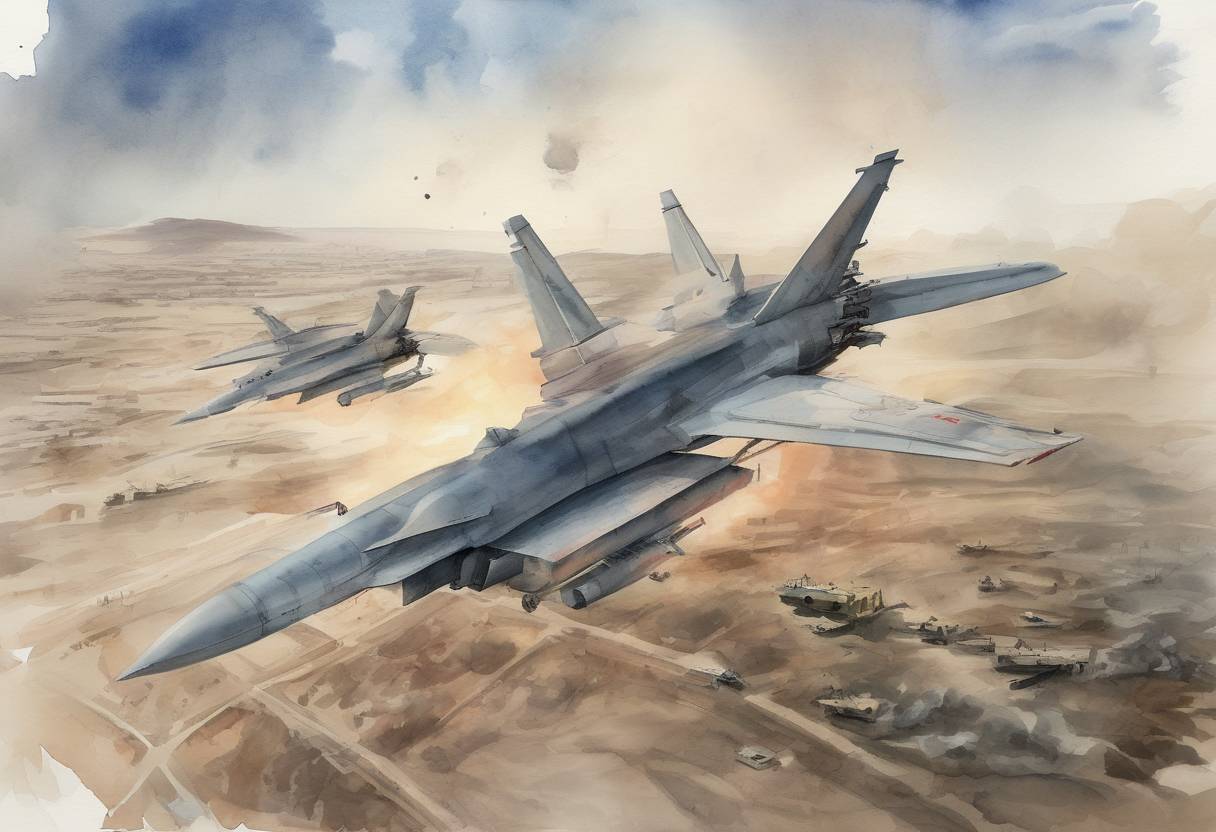
The United States launched 59 Tomahawk cruise missiles at the Shayrat Airbase in Syria in response to a chemical weapons attack on civilians in Khan Shaykhun, which was attributed to the Syrian government. This marked the first direct American military action against the Syrian government during the Syrian Civil War.

2019

London, United Kingdom

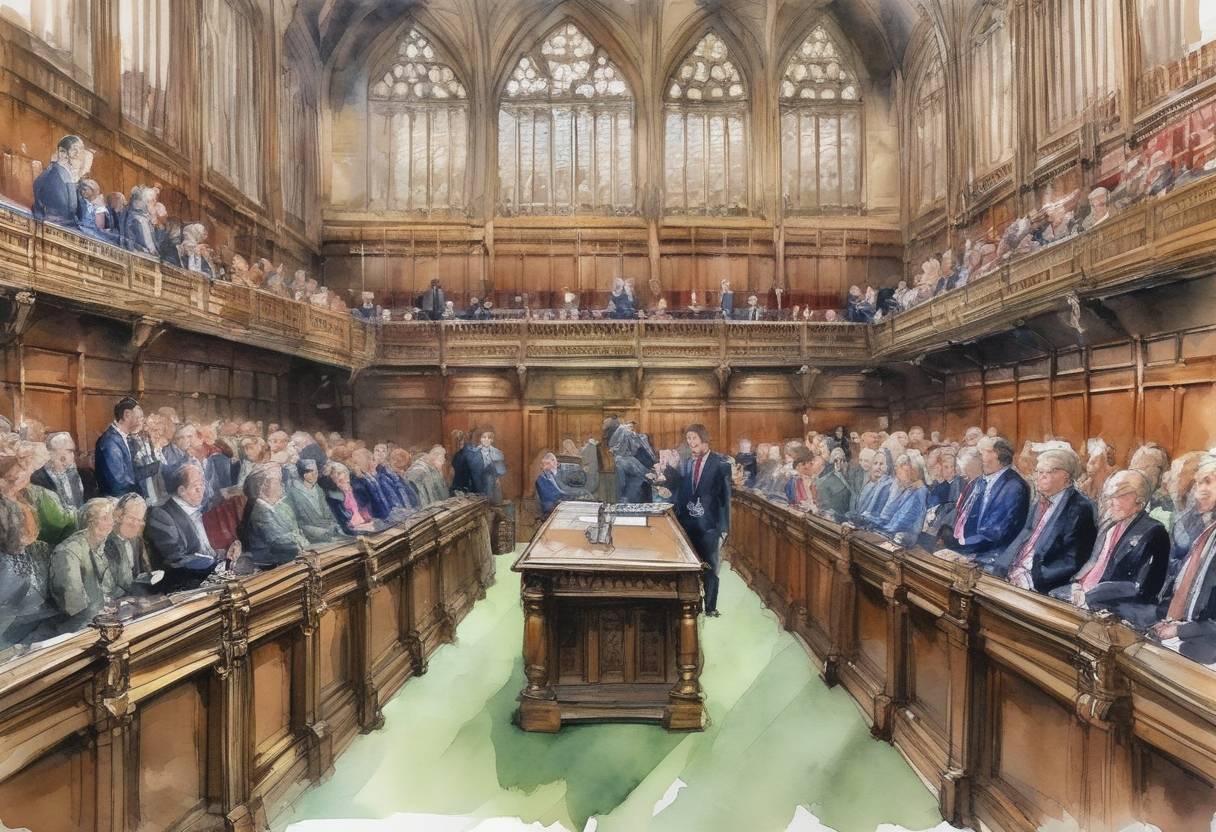
The United Kingdom's House of Commons passed a bill to prevent a no-deal Brexit, requiring the Prime Minister to seek an extension to the Brexit deadline.