August 11, 2006: Arrest of Suspects in Transatlantic Airliner Plot
2006 · London, United Kingdom
British authorities arrest 24 suspects in connection with a plot to blow up transatlantic airliners using liquid explosives.
August 28, 2007
The availability of the extensive cache of confidential files from the British Security Service, or MI5, were revealed online by the guardian which included surveillance records from as far back as World War I.
London, United Kingdom | MI5
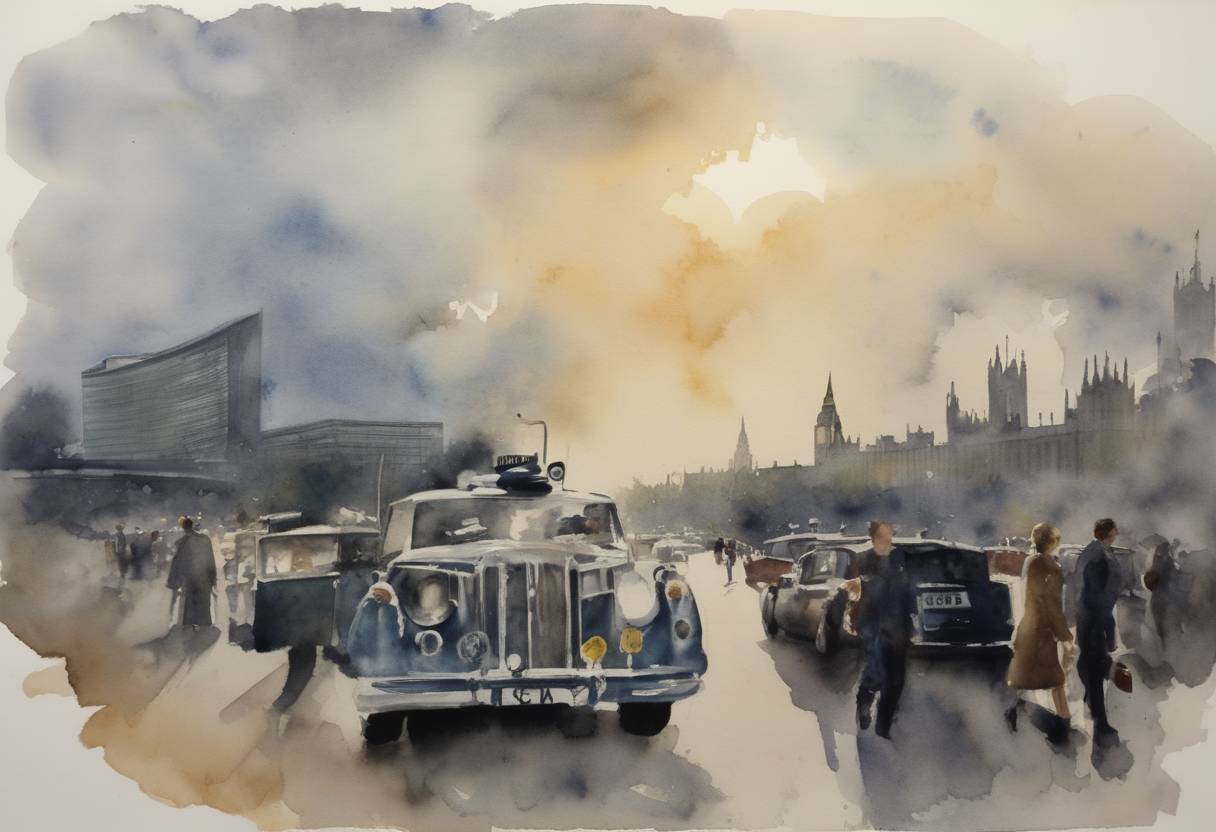
On August 28, 2007, The Guardian reported the availability of an extensive cache of confidential files from the British Security Service, MI5, which had been released online. This event marked a significant moment in the transparency of historical intelligence records in the United Kingdom.
MI5, the United Kingdom’s domestic counter-intelligence and security agency, had accumulated a vast array of records over the decades, spanning from World War I through the Cold War and beyond. These documents contained detailed surveillance records, illustrating the operations and priorities of MI5 during those periods. The files included information about espionage cases, perceived threats to national security, and the monitoring of various political and social organizations.
The move to release these files was part of a broader initiative for improved openness and public accessibility to historical records, which began with periodic releases at The National Archives. The cache made available by The Guardian underscored the depth and reach of MI5’s historical surveillance activities, capturing not only major espionage cases but also the agency’s responses to various societal challenges throughout the 20th century.
The release of these files provided historians, researchers, and the public at large an unprecedented look into the workings of British intelligence during critical historical periods. It allowed for a reassessment of known espionage cases and provided insights into the strategic considerations of MI5 across multiple decades. The files included surveillance reports, case notes, and correspondences that shed light on both well-known and lesser-known operations.
By making these documents accessible, The Guardian contributed to increased public knowledge and understanding of Britain’s national security history and its implications on civil liberties and privacy throughout the years. This release fed into broader debates regarding the balance between security and individual rights, echoing contemporary discussions on surveillance and privacy.
The impact of the document release extended beyond immediate public interest and academic scrutiny. It further stimulated the discourse on governmental transparency and the importance of historical accountability. The availability of such records reinforced the societal value of declassifying information that can illuminate past governmental actions and policies.
Moreover, for MI5 and similar agencies worldwide, the event highlighted the complexities in managing classified information’s lifecycle, raising questions about what should remain confidential and what could be disclosed for historical purposes. This balance between national security and public knowledge remains a significant part of discussions on transparency in intelligence operations today.
Source: www.theguardian.com