WHO Declares End of Ebola Public Health Emergency: February 10, 2016
2016 · Geneva, Switzerland
The World Health Organization declared the Ebola outbreak in West Africa no longer constituted a Public Health Emergency of International Concern.
October 1, 2014
The first case of Ebola diagnosed within the United States was confirmed in Dallas, Texas. A patient who had traveled from Liberia and displayed symptoms was treated, marking a pivotal moment in the global Ebola outbreak response.
Dallas, United States | Texas Health Presbyterian Hospital
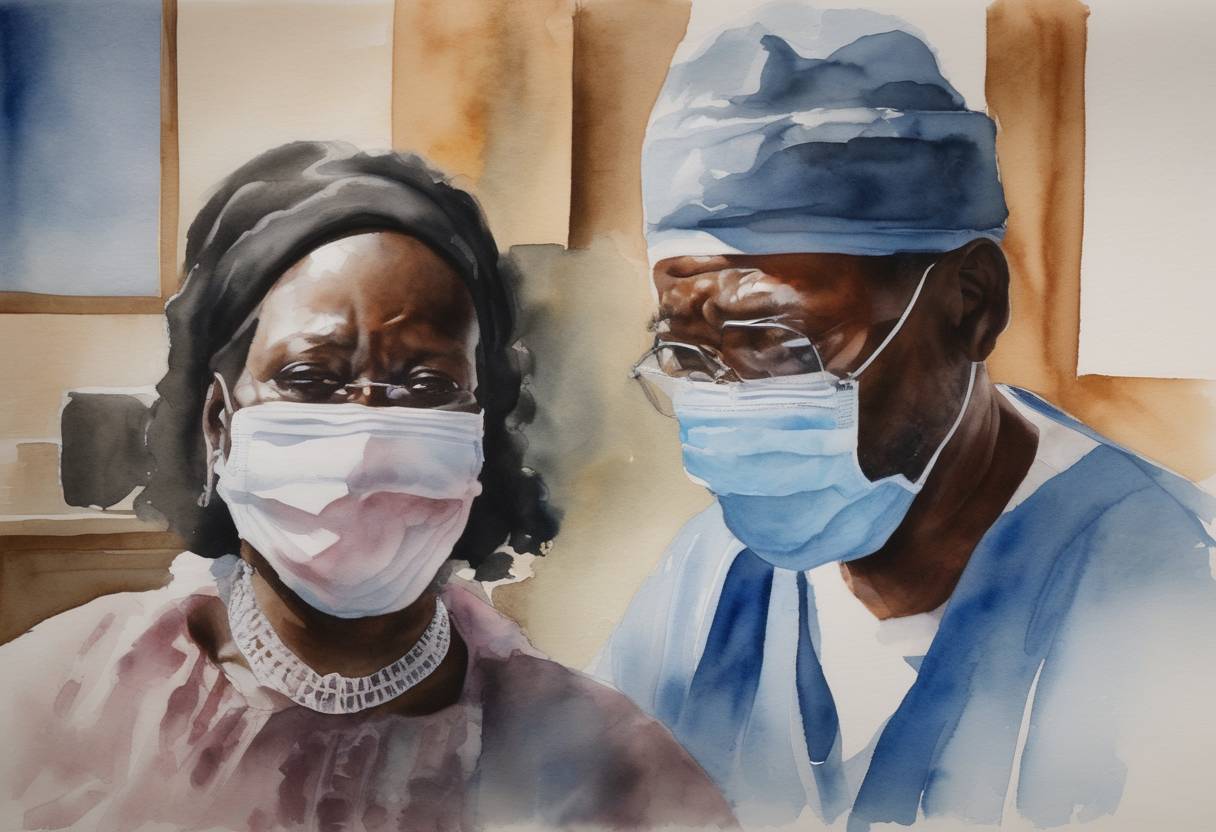
On October 1, 2014, the United States confirmed its first case of Ebola within its borders. The patient, Thomas Eric Duncan, was a Liberian national who arrived in Dallas, Texas, from Liberia on September 20, 2014. This case significantly impacted both public perception and governmental response to the Ebola outbreak that had been affecting West Africa since the previous year.
Ebola, a viral hemorrhagic fever caused by the Ebola virus, had first been identified in 1976, but the outbreak beginning in 2013 was the largest and most complex since the virus’s discovery. Originating in Guinea, the outbreak rapidly spread to neighboring Liberia and Sierra Leone, leading to thousands of deaths and overwhelming healthcare infrastructures.
Travel to the US: Duncan traveled from Monrovia, Liberia, to Dallas, Texas. He was asymptomatic during his journey, thus bypassing temperature screenings at airports.
Onset of Symptoms: On September 24, 2014, Duncan began to show symptoms consistent with Ebola, including fever and abdominal pain. On September 26, he sought care at Texas Health Presbyterian Hospital Dallas but was released with antibiotics after medical staff failed to promptly recognize his symptoms as potentially indicative of Ebola.
Subsequent Hospital Visit: Duncan returned to the hospital on September 28 with worsening symptoms. On this visit, he was admitted and subsequently isolated, with the diagnosis of Ebola being confirmed on October 1, 2014.
CDC and Public Health Measures: The Centers for Disease Control and Prevention (CDC) led efforts to track down people who had been in contact with Duncan, initiating robust monitoring protocols to prevent further spread.
Media Coverage and Public Concern: The case heightened public concern about the contagiousness of Ebola and led to increased scrutiny of health system preparedness in the U.S. Media coverage was extensive, often focusing on the perceived threat of Ebola spreading widely outside Africa.
Hospital Protocols Review: The handling of Duncan’s case prompted critical evaluations of hospital readiness and response protocols in dealing with contagious diseases, influencing subsequent policy adjustments to improve processes.
Thomas Eric Duncan’s case underscored the challenges of international disease control in a globalized world. It highlighted the necessity for robust infectious disease tracking and the importance of rapid and accurate diagnosis.
Despite initial fears, the effective public health measures limited the spread of the virus domestically. This event also catalyzed increased funding and support for Ebola treatment in West Africa, contributing to the eventual containment of the outbreak in 2016.
The case is remembered as a pivotal moment that emphasized both the vulnerabilities and the strengths of global health systems in managing infectious diseases.
Source: www.cdc.gov