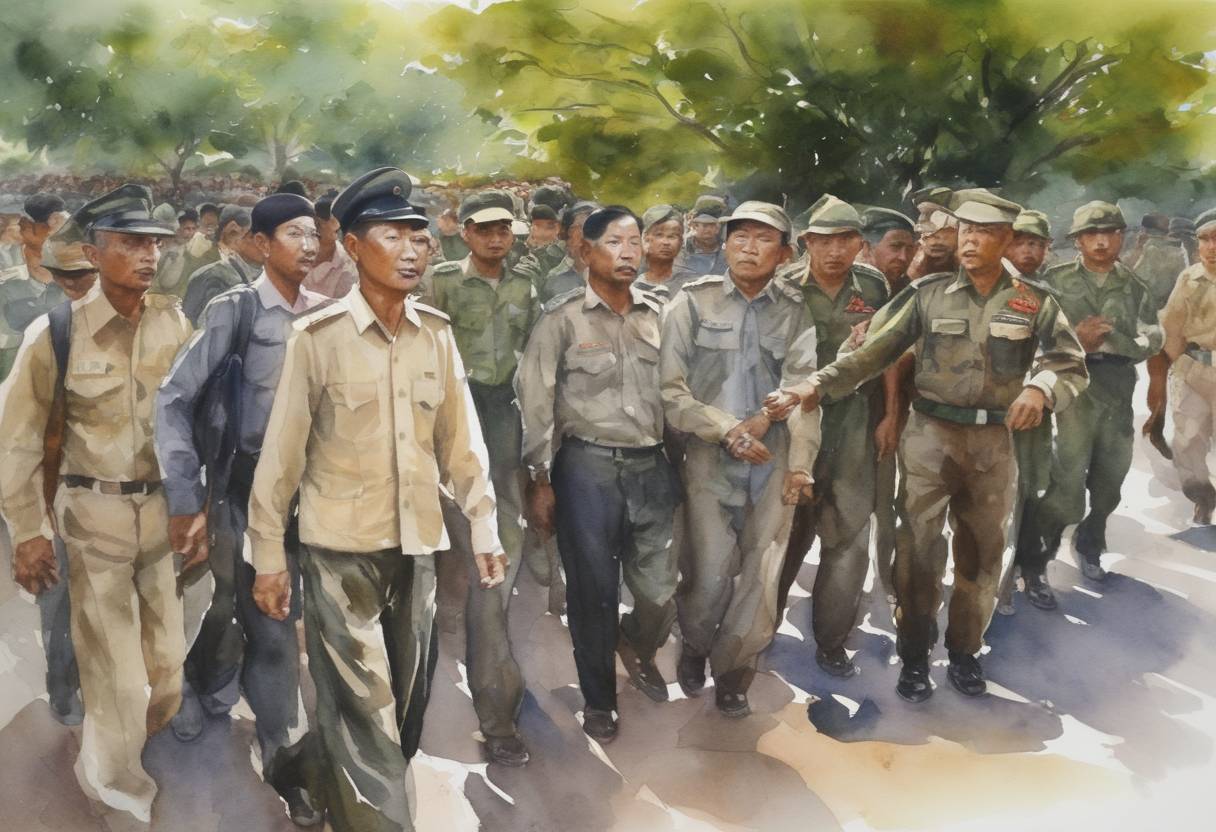
Burmese Amnesty Announcement on September 3, 2009
On September 3, 2009, the military government of Myanmar, also known as Burma, announced an amnesty for approximately 7,000 prisoners. This decision came as part of a broader pattern of prisoner releases in the country, which were often timed to coincide with national events or to improve the regime’s image internationally.
Context
Myanmar has been under military rule since 1962, with the junta maintaining a tight hold on power despite international pressure and internal discontent. During this era, the government frequently detained political opponents, activists, journalists, and other dissenters. These prisoners were often held under harsh conditions and faced significant mistreatment.
Details of the Announcement
The Burmese military regime specified that the amnesty would benefit around 7,000 prisoners held across the country. However, it was quickly noted that the majority of those included in the release were common criminals rather than political prisoners. While exact numbers on how many political prisoners were freed were not disclosed, human rights organizations claimed that the effect on political detainees was minimal.
Reactions and Implications
Domestic Reactions
- Political Opposition: The announcement was met with skepticism from opposition groups and democracy activists, who saw it as a symbolic gesture with little substance. Many criticized the continued detention of renowned political figures, including Aung San Suu Kyi, who remained under house arrest during this period.
International Reactions
- Human Rights Organizations: Groups like Amnesty International and Human Rights Watch viewed the amnesty as insufficient, pressuring the Burmese government to implement genuine reforms and release all political prisoners.
- Foreign Governments: Western nations, which had imposed sanctions on Myanmar, scrutinized the amnesty announcement. While welcoming any positive steps, they remained critical due to the lack of freedom for political detainees and the broader repressive political climate.
Broader Historical Significance
The 2009 amnesty was part of a series of similar releases that the Burmese government used to project a facade of leniency and reform. However, meaningful change to Myanmar’s deeply entrenched authoritarian system remained elusive until the gradual political openings starting in the early 2010s. These developments laid the groundwork for more substantive changes, though the nation’s journey toward democracy and human rights continues to be fraught with challenges.