First International Conference of American States
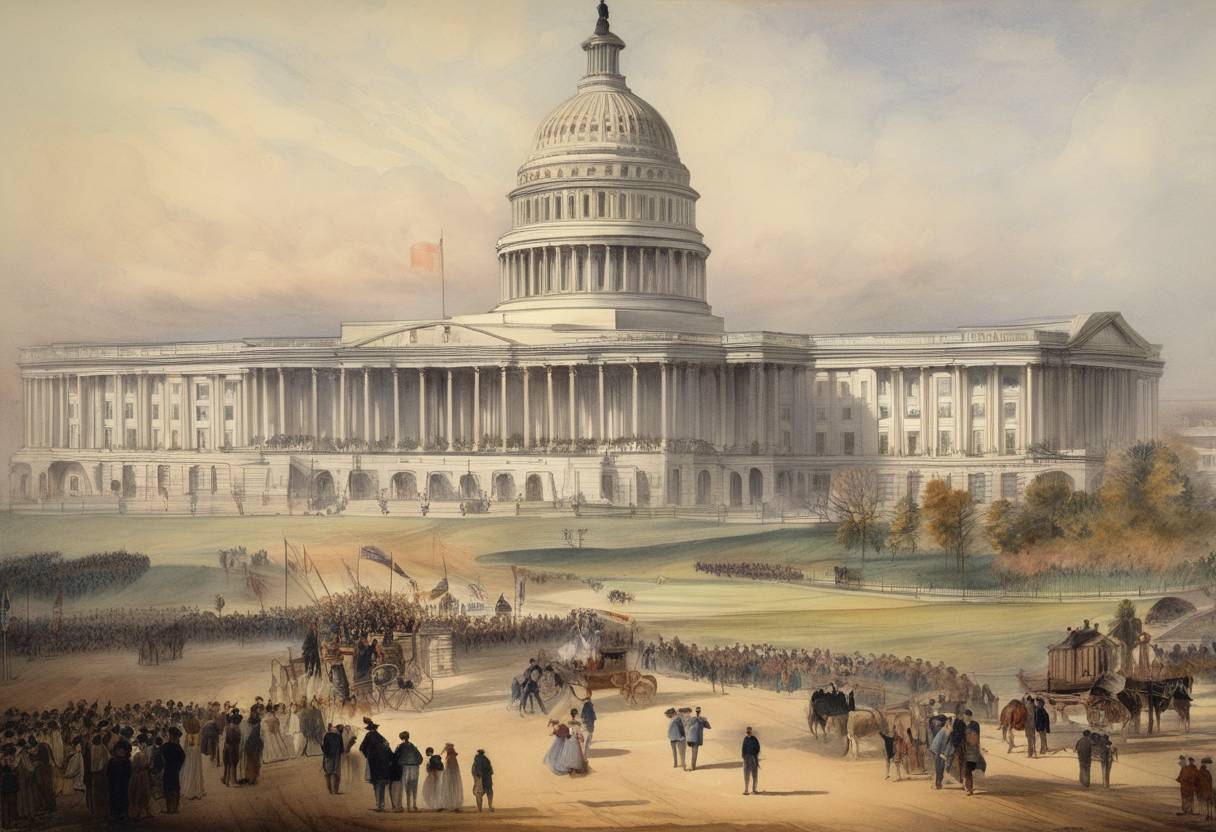
On October 2, 1889, the First International Conference of American States convened in Washington, D.C. This momentous event marked the beginning of a systematic effort to enhance trade relations and political cooperation across the nations of the Western Hemisphere. The conference was a critical step towards fostering peaceful relations and mutual understanding among the American countries.
Background
The conference originated from the Pan-American movement, which aimed to discuss issues affecting the Americas and strengthen ties across the continent. Influential figures like U.S. Secretary of State James G. Blaine advocated for closer economic and political collaboration. The idea was to reduce misunderstandings and conflicts between American countries and to allow for greater collective influence on the global stage through unity.
Objectives
The primary goals of the conference were:
- Promotion of Trade: Establishing a framework for increased economic interaction and trade agreements among the American states to boost prosperity and development.
- Political Cooperation: Encouraging diplomatic dialogue and collaboration to resolve conflicts peacefully and uphold mutual interests.
- Cultural and Scientific Exchange: Fostering cultural, educational, and scientific exchanges to build stronger ties and understanding between nations.
Activities and Discussions
The conference brought together delegates from 18 nations in the Americas, who engaged in discussions and negotiations on various issues:
- Customs Union Proposal: Blaine proposed a customs union to eliminate tariffs and create a free trade area among participating countries, although it was not universally accepted.
- Arbitration Matters: Consideration of mechanisms for arbitration to peacefully resolve disputes, paving the way for future conflict resolution frameworks.
- Infrastructure Projects: Discussions on infrastructure projects, such as an intercontinental railway that would connect various regions, facilitating trade and movement.
Significance
The First International Conference of American States laid the groundwork for future Pan-American efforts and played a critical role in shaping hemispheric relations. Although not all proposed measures were immediately adopted, the conference established lasting entities like the International Union of American Republics, which later evolved into the Organization of American States (OAS), founded in 1948.
Aftermath
The conference successfully initiated a platform for continuous dialogue and cooperation, encouraging American nations to approach regional issues collectively. While challenges in achieving comprehensive economic integration persisted, the spirit of the conference fostered a new era of diplomatic engagement that influenced the development of international relations in the Americas throughout the 20th century.