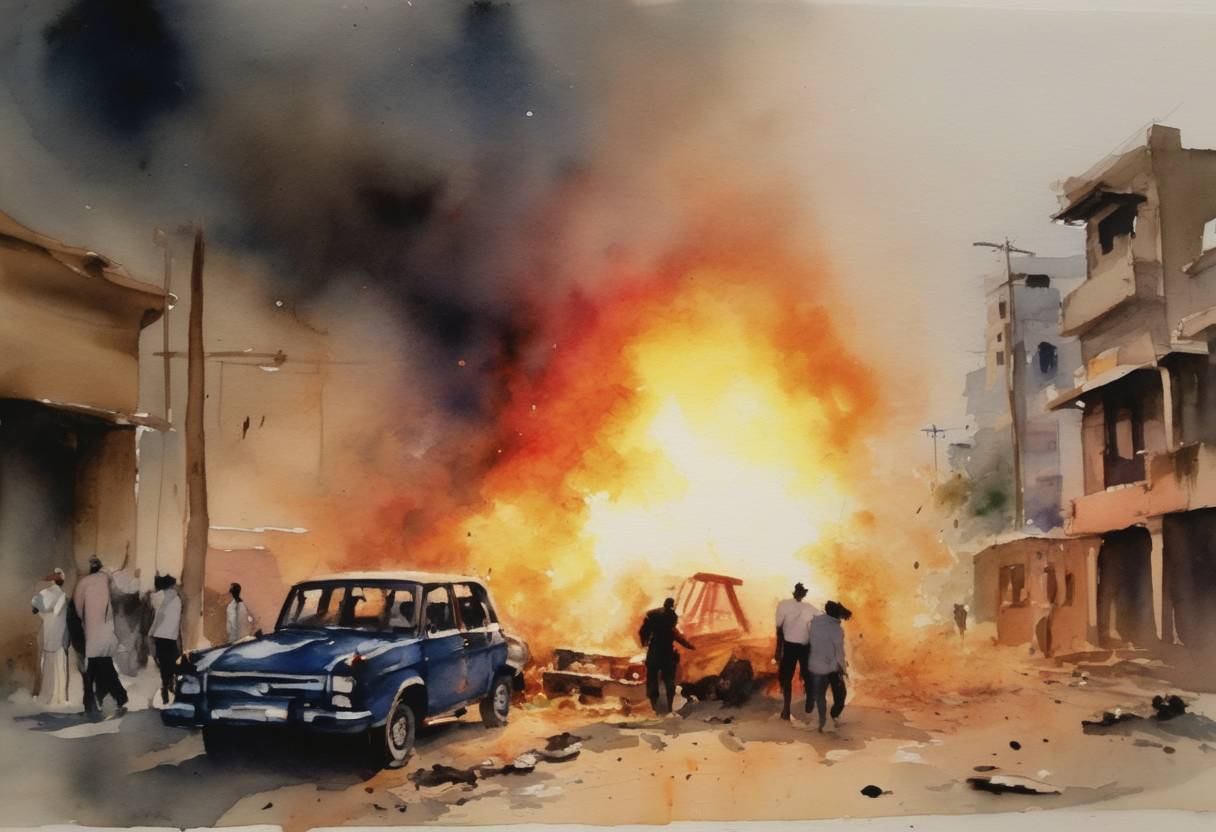
Bombing in Karachi, Pakistan - October 20, 2008
On October 20, 2008, a bomb exploded in Karachi, Pakistan near the residence of the former Pakistani Prime Minister, Benazir Bhutto, who had been assassinated in December 2007. The attack was primarily targeted at a nearby police complex, resulting in significant casualties and damage.
Background
Following the assassination of Benazir Bhutto on December 27, 2007, Pakistan faced ongoing political instability and violence attributed to militant groups opposed to the government. Bhutto’s assassination itself was symptomatic of the volatile climate in Pakistan, driven by terrorist activities and sectarian conflict. Her tragic death galvanized increased efforts to combat terrorism, as well as heightened security measures across the country.
The Incident
The explosion on October 20, 2008, was a part of the ongoing wave of attacks by insurgents challenging the Pakistani authorities. The bomb, reportedly planted close to a police facility near Bhutto’s previous residence in Karachi, led to multiple casualties. The attack was a stark reminder of the persistent threat posed by militant outfits in urban centers like Karachi.
Casualties and Impact
The bombing resulted in the deaths of several individuals, including police officers, and injured dozens of others. It highlighted the severe security challenges facing Pakistan as it tackled both internal insurgency and external threats from extremist factions.
Broader Historical Context
This attack occurred during a period when Pakistan was under severe internal and external pressures. The government was struggling with the Taliban insurgency along its northwestern borders while managing political turmoil domestically. Karachi, a major economic hub, frequently experienced violence linked to ethnic, political, and sectarian tensions, further complicating the security landscape.
Aftermath
Following the bombing, Pakistani authorities increased security measures, deploying additional forces to areas deemed vulnerable to attack. The government continued to face criticism for its inability to curb terrorist activities effectively, amidst efforts to stabilize the country’s political environment and reclaim territories controlled by insurgent groups.
Significance
The October 20, 2008, bombing underscored the persistent and complex threat of terrorism in Pakistan, particularly in urban areas such as Karachi. This event was part of a broader pattern of violence that the country struggled to overcome in its effort to stabilize and promote peace.
Conclusion
The explosion near Benazir Bhutto’s residence remains a significant event in Pakistan’s turbulent history, exemplifying the challenges of combating terrorism and maintaining security in a nation beset by internal and external conflicts. It is a testament to the fragility and resilience of a country striving to emerge from shadows of past violence.