Erawan Shrine Bombing in Bangkok, Thailand - August 17, 2015
2015 · Bangkok, Thailand
A bomb exploded at the Erawan Shrine in Bangkok, Thailand, killing 20 people and injuring 125 others.
December 30, 1999
In Bangkok, Thailand, a fire at the Santika Club killed 66 people and injured over 200.
Bangkok, Thailand | N/A
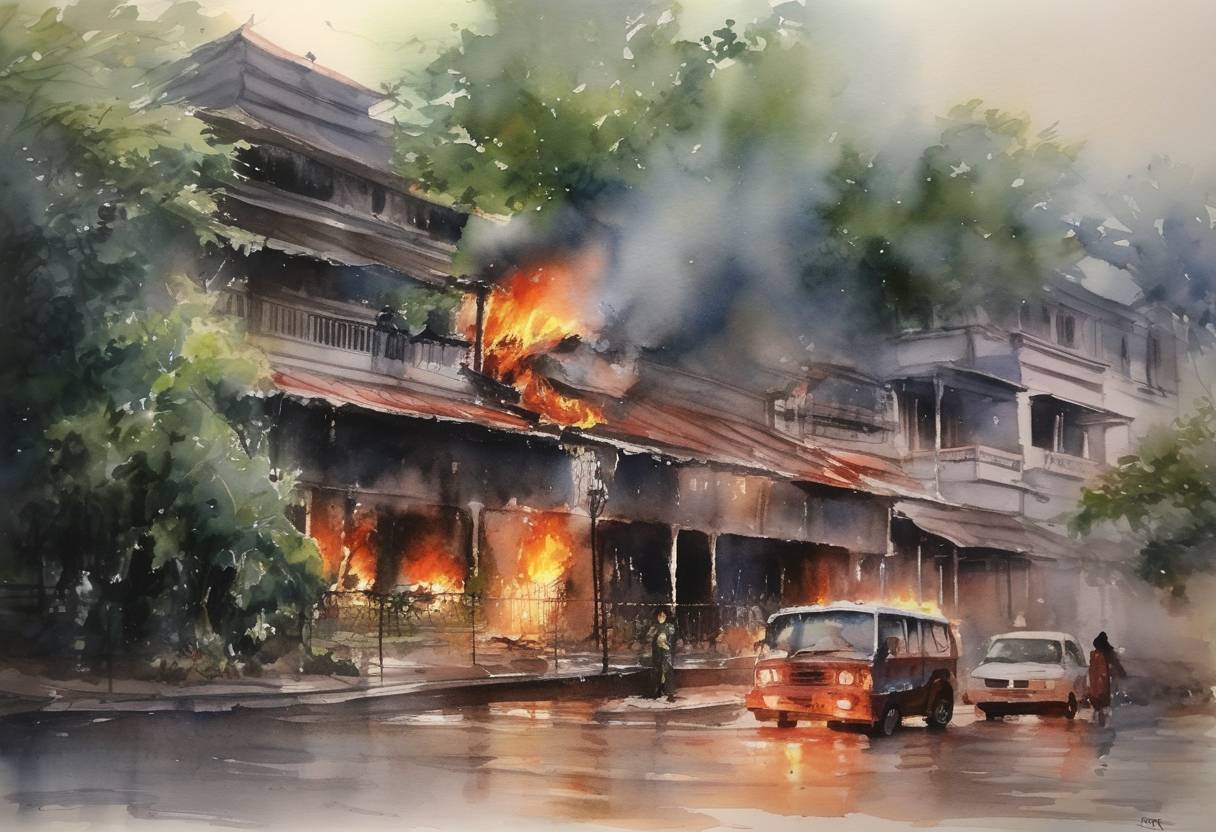
On January 1, 2009, a devastating fire broke out at the Santika Club, a nightclub in Bangkok, Thailand. This tragic event occurred during the New Year’s Eve celebrations, resulting in the deaths of 66 people and injuries to over 200 others. The fire began shortly after midnight when the venue was filled with party-goers celebrating the arrival of the new year.
The exact cause of the fire was believed to be linked to pyrotechnics used during the celebration. Flames quickly engulfed the building, exacerbated by the club’s interior design elements, which included flammable materials. The rapid spread of fire resulted in chaos as patrons struggled to find exits; the club’s layout and inadequate emergency exits significantly hindered evacuation efforts.
The aftermath of the fire highlighted severe deficiencies in safety regulations and enforcement in Thailand, particularly in entertainment venues. This incident prompted the Thai government to review and strengthen their fire safety laws and regulations. Additionally, there was a public outcry for better emergency planning and more stringent enforcement of existing safety measures to avoid a repeat of such tragedies.
The Santika Club fire underscored the critical importance of fire safety regulations and the potential consequences of neglecting them. It drew international attention to the safety standards of entertainment venues globally, leading to increased calls for robust safety protocols in similar establishments worldwide. The incident serves as a somber reminder of the need for vigilance and preparedness in public spaces.
In the wake of the fire, several legal proceedings took place. The club’s owner and members of the band that performed that night were charged and convicted for their roles in the tragedy. Their prosecutions emphasized accountability and the legal responsibilities of business owners to ensure the safety of their patrons.
In summary, the Santika Club fire remains one of the deadliest nightclub fires in history, marked not only by its immediate tragic human toll but also by its lasting impact on public safety policies and legal frameworks.
Source: en.wikipedia.org