The Official Ban on Slave Importation: January 1, 1808
1808 · Washington D.C., United States
The importation of slaves into the United States was officially banned, in accordance with the Act Prohibiting Importation of Slaves enacted in 1807.
January 7, 1807
The Embargo Act of 1807 was passed in the United States, intended to prohibit American ships from trading in foreign ports and to stop the British and French from violating U.S. shipping neutrality during the Napoleonic Wars.
Washington D.C., United States | United States Congress
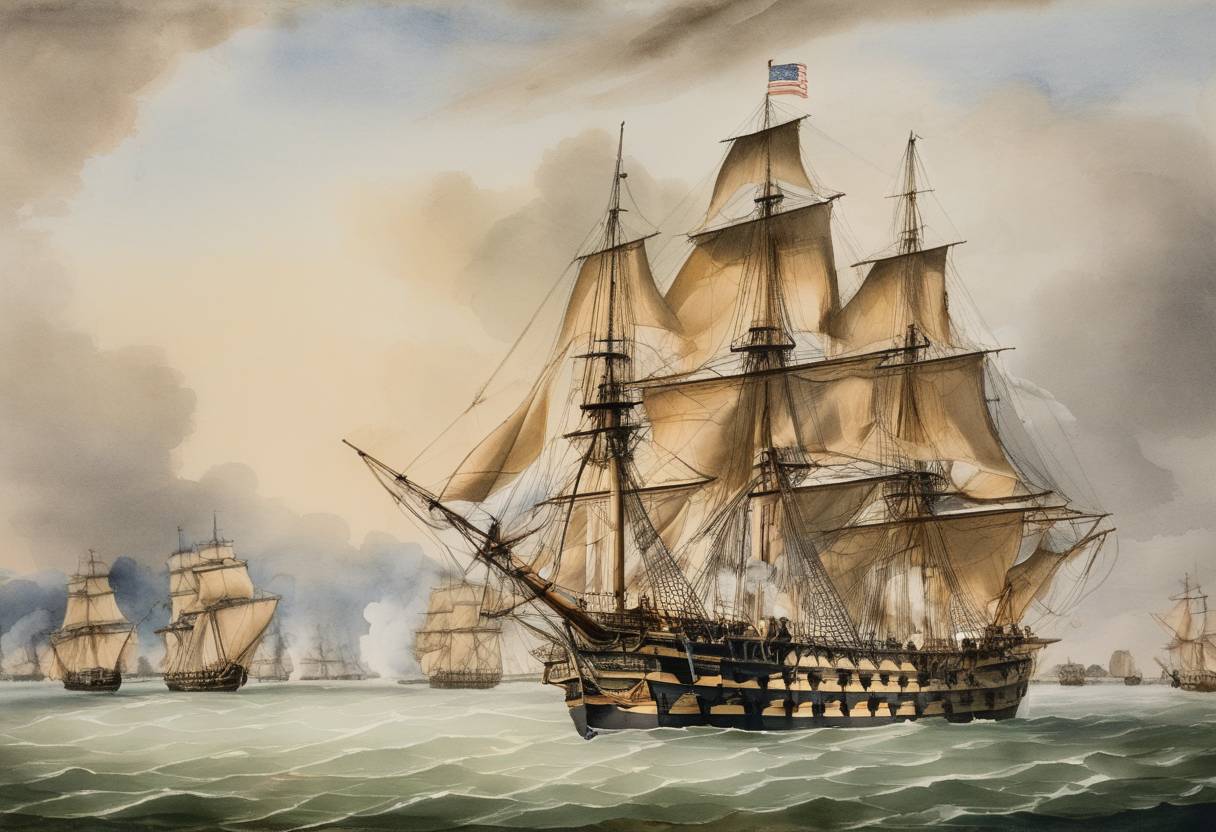
The Embargo Act of 1807, enacted by the United States Congress and signed into law by President Thomas Jefferson on December 22, 1807, was a significant piece of legislation aimed at curtailing American involvement in the ongoing Napoleonic Wars. It was specifically designed to address the challenges faced by American shipping due to the conflict between Britain and France, both of which were violating U.S. shipping neutrality by seizing American ships and impressing sailors.
In the early 19th century, as the Napoleonic Wars engulfed Europe, both Britain and France implemented measures detrimental to neutral parties like the United States. The British Royal Navy’s practice of impressment, forcibly conscripting American sailors into service, was particularly egregious. The French, meanwhile, had announced the Berlin and Milan Decrees, which prohibited trade with Britain and affected any nation engaging with British goods.
Faced with these restrictions and violations, President Jefferson and Congress sought a non-military solution. They believed economic pressure could peacefully coerce Britain and France into respecting American neutrality and maritime rights.
The Embargo Act of 1807 prohibited American ships from leaving U.S. ports for foreign destinations. The law aimed to reduce maritime conflicts and preserve American lives and goods. It banned not only the export of goods to foreign countries but also restricted imports, expecting that economic strain on Britain and France would force them to change their policies.
The embargo had widespread domestic consequences:
Economic Decline: The American economy suffered greatly as a result of the embargo. The Northeast, highly dependent on shipping and trade, experienced a severe downturn, leading to widespread unemployment and economic distress.
Smuggling and Noncompliance: The embargo was difficult to enforce, and widespread smuggling occurred, especially along the Canadian border and in the ports of New England.
Political Backlash: The embargo was highly unpopular, particularly in trading regions domiciled by the Federalist Party, and it fueled opposition to the Jefferson administration. The Federalists vocally criticized the policy as detrimental and detrimental to economic interests.
Repeal and Legacy: The embargo failed to compel Britain or France to change their policies and thus did not achieve its diplomatic aims. Realizing its ineffectiveness and economic damage, Jefferson signed the Non-Intercourse Act in 1809, repealing the embargo just before he left office. This act allowed trade to resume with countries other than Britain and France.
The Embargo Act of 1807 is frequently regarded as a failure in terms of foreign policy but a significant example of economic coercion and the complexities of maintaining neutrality amidst international conflict. It demonstrated the challenges of enforcing such economic policies and the profound impact of international affairs on domestic economic and political landscapes.
Source: www.u-s-history.com