Victoria Woodhull's Presidential Nomination: May 10, 1872
1872 · New York City, United States
Victoria Woodhull becomes the first woman nominated for President of the United States by the Equal Rights Party.
January 21, 1908
New York City passes the Sullivan Ordinance, the first city ordinance in the United States that attempts to restrict smoking by banning women from smoking in public places.
New York City, United States | City of New York
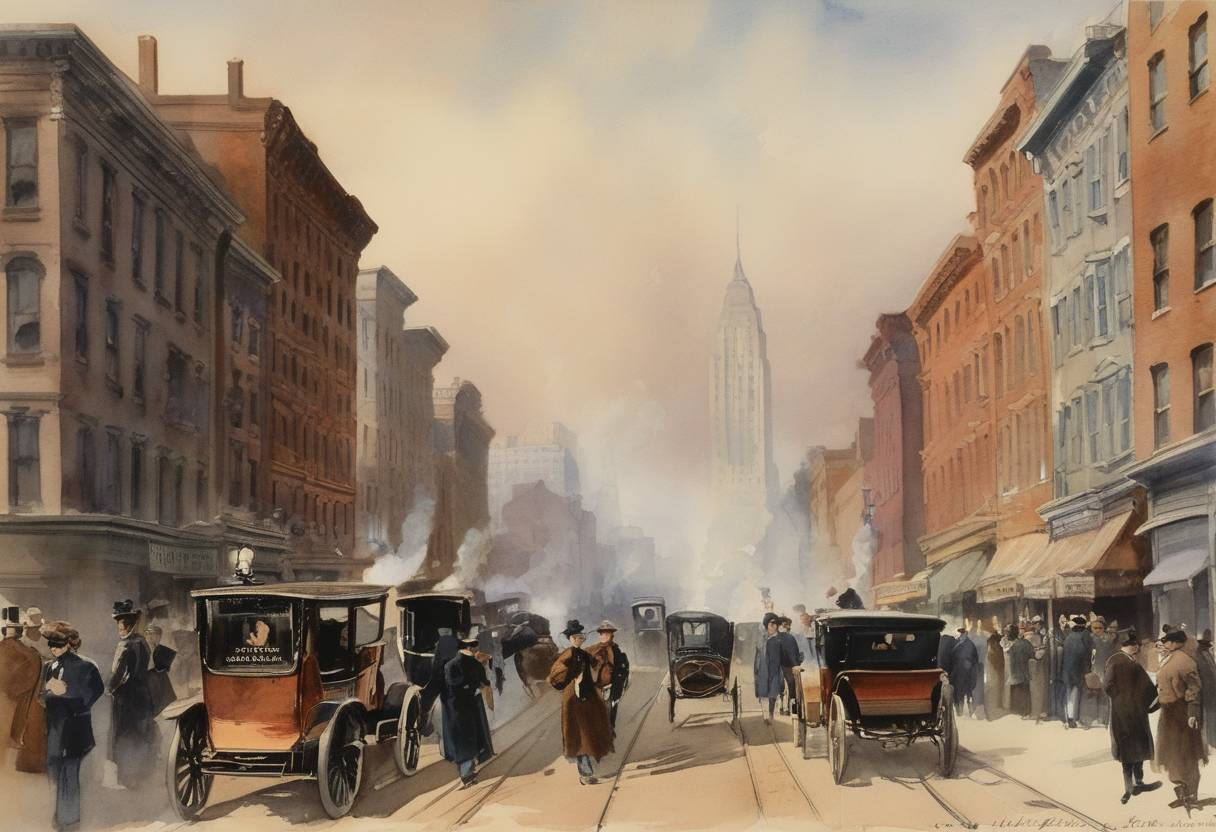
On January 21, 1908, the New York City Board of Aldermen passed the Sullivan Ordinance, named after Alderman Timothy Sullivan. This ordinance marked a significant, albeit brief, moment in the history of tobacco regulation in the United States as it attempted to restrict smoking by targeting a specific demographic: women.
The Sullivan Ordinance stipulated that women were prohibited from smoking in public places. At the time, smoking was a socially contentious issue, and public smoking by women was often frowned upon, seen as unseemly and inappropriate. The ordinance sought to reinforce these social norms through legal measures.
Upon its passage by the New York City Board of Aldermen, the ordinance allowed penalties for violations, targeting establishments that permitted women to smoke rather than the women themselves. However, the ordinance faced immediate backlash from various quarters, primarily viewed as discriminatory and an infringement on personal freedoms.
Despite its passage, the Sullivan Ordinance had a fleeting existence. Just two weeks later, it was vetoed by then-mayor George B. McClellan Jr. The veto was driven by a mix of public opinion and legal challenges, reflecting broader societal reluctance to enforce such gender-specific legislation.
While the ordinance did not have a lasting legislative impact, it highlighted societal attitudes toward women and smoking and presaged future debates over smoking regulations in the 20th century.
The attempt to regulate smoking through the Sullivan Ordinance illustrates the tension between social norms and legal frameworks in early 20th-century America. It serves as an early example of the challenges faced in balancing public health measures with individual freedoms, an issue that would become increasingly prominent with the rise of public health awareness and anti-smoking campaigns later in the century.
Source: www.nytimes.com