Creation of the United States Coast Guard - January 28, 1915
1915 · Washington, D.C., United States
The United States Coast Guard is created as a branch of the United States Armed Forces.
February 14, 1803
The United States Senate approved the creation of the Army Corps of Engineers.
Washington, D.C., United States | United States Congress
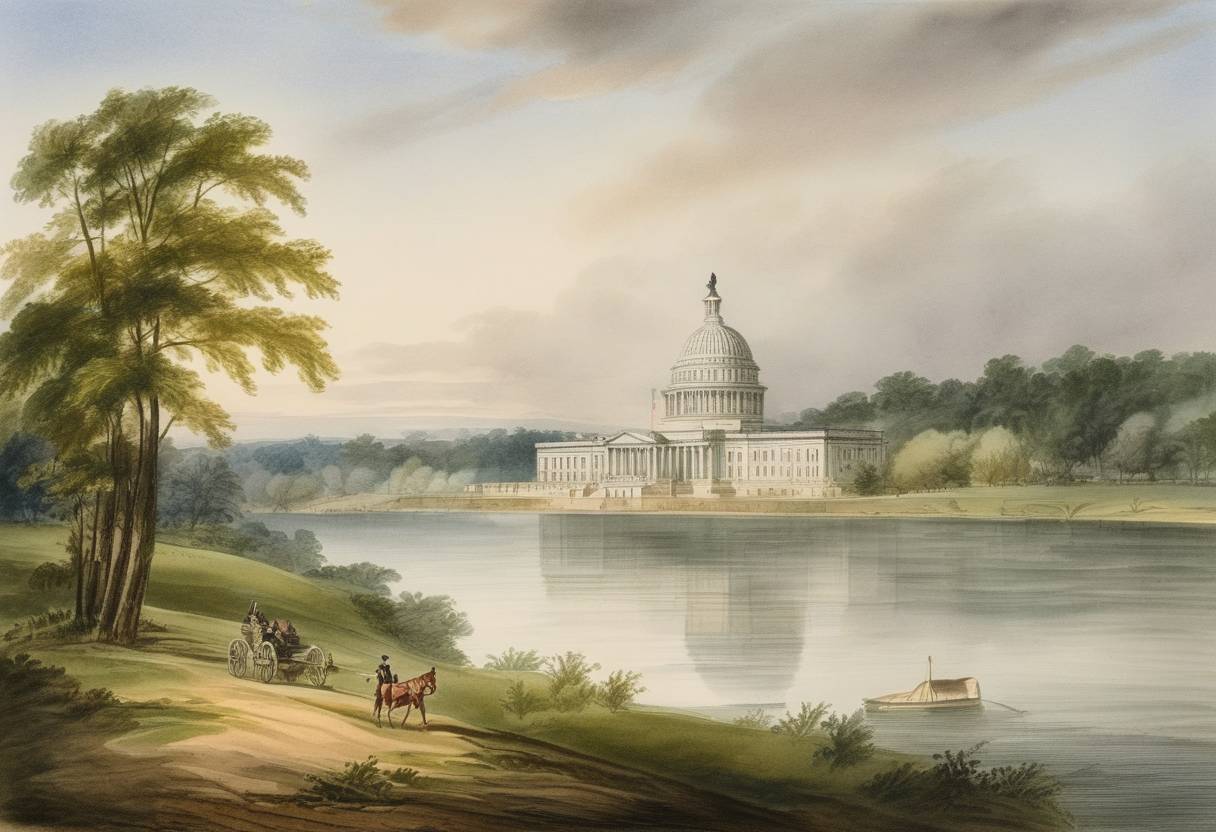
On February 14, 1803, the United States Senate approved the creation of the Army Corps of Engineers, a pivotal institution tasked with engineering and public works projects. This decision embodied an expanding vision for national defense and infrastructure development in the early years of the American republic.
The need for a dedicated engineering body was recognized after the Revolutionary War, amid concerns about national defense and infrastructure. The idea gained traction during the presidency of Thomas Jefferson, who emphasized internal development and scientific advancement. The challenges associated with fortifications and road building highlighted the necessity for specialized engineering expertise within the military.
The approval and subsequent development of the Army Corps of Engineers underscored a growing recognition of the importance of strategic infrastructure and technical expertise in shaping the United States’ growth and security.
Source: www.usace.army.mil