Rhode Island Bans the Importation of Slaves - June 13, 1774
1774 · Providence, United States
Rhode Island became the first of Britain's North American colonies to ban the importation of slaves, marking an early legislative step against slavery.
July 4, 1636
The city of Providence, Rhode Island, was founded by Roger Williams.
Providence, England's American colonies | Providence Colony
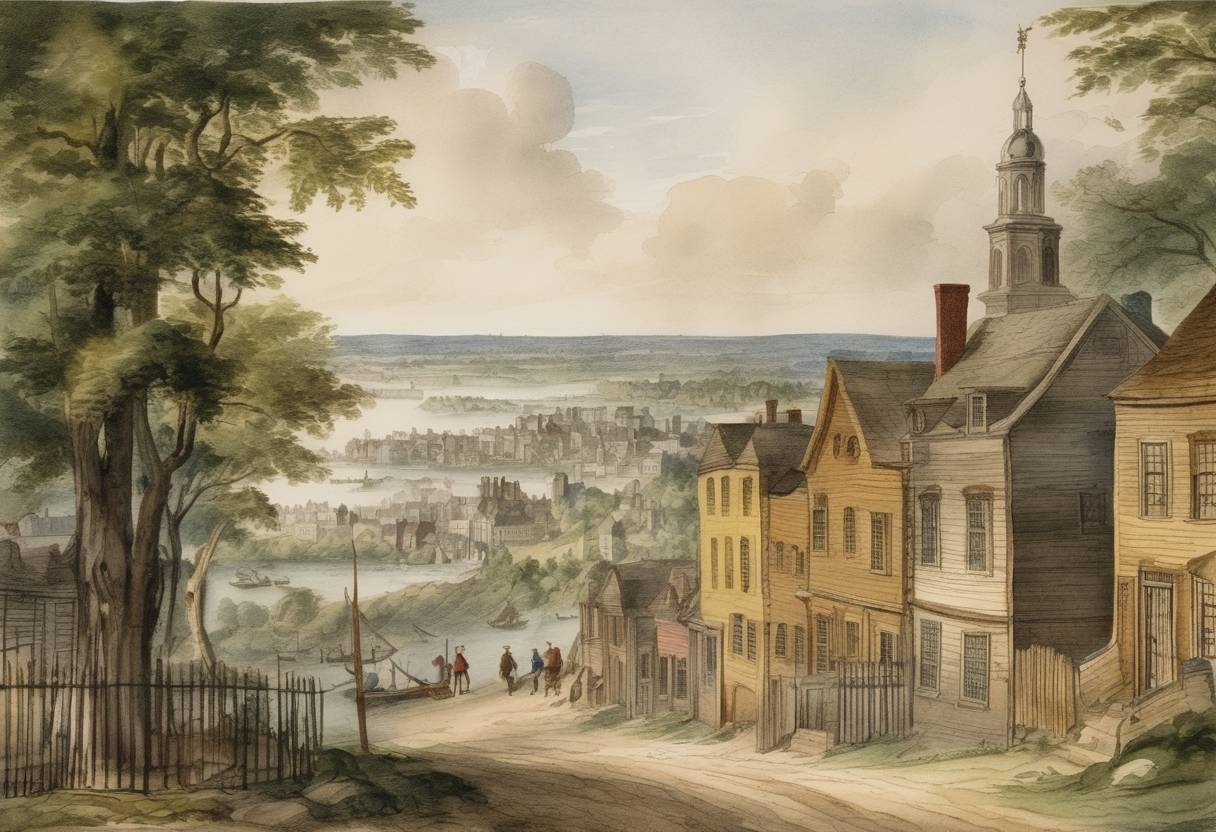
On July 4, 1636, the city of Providence, Rhode Island, was founded by Roger Williams. Williams, a Puritan minister who had been banished from the Massachusetts Bay Colony due to his radical religious beliefs and advocacy for separation of church and state, sought a place where he could establish a community with religious tolerance.
Roger Williams was a strong proponent of religious freedom and believed that the state should have no authority over an individual’s spiritual beliefs. His views clashed with those of the Puritan leaders in Massachusetts, leading to his banishment in 1635. Williams headed south through the harsh winter, eventually arriving at the headwaters of Narragansett Bay.
Upon receiving a land grant from the Narragansett Chief Canonicus and his nephew Miantonomo, Williams established a settlement on the land he named “Providence” as a testament to “God’s merciful providence” to him in his distress. Williams ensured that the settlement was marked by religious freedom and a fair relationship with the Native Americans.
Religious Freedom: Providence became one of the first places in America where religious freedom and separation of church and state were integral to its foundation.
Native American Relations: The establishment of Providence also set a precedent for fair dealings with Native Americans, exemplified by the peaceful acquisition of land.
Governance: The settlement established a democratic government system where matters of public concern were decided by town meeting, laying early groundwork for participatory governance in America.
Roger Williams’ legacy as a champion of religious liberty and founder of Rhode Island remains influential. Providence grew as a prominent center for trade and culture in New England. Rhode Island later joined the United States, continuing to uphold the principles of freedom and individual rights that Williams advocated.
The founding of Providence is an important chapter in the history of religious tolerance and the development of democratic governance in America.