The 8.8 Magnitude Earthquake in Chile: February 28, 2010
2010 · Concepción, Chile
The 8.8 magnitude earthquake in Chile triggers a tsunami across the Pacific Ocean, causing widespread destruction and loss of life.
June 19, 1965
A series of severe earthquakes hit Chile, with the largest being a 7.8 magnitude in the Andes mountains region, causing widespread damage and casualties.
Andes Mountains Region, Chile | Chilean Government
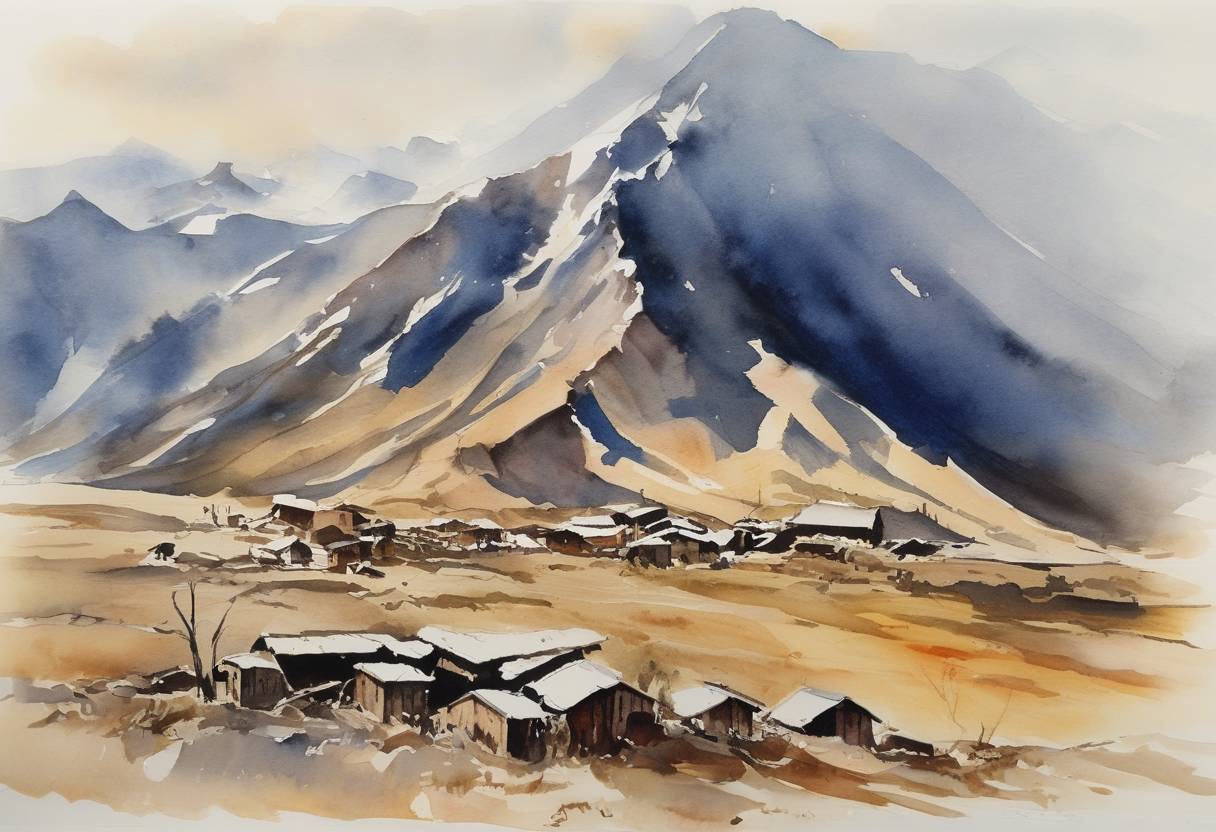
On June 19, 1965, Chile was struck by a series of severe earthquakes, with the most significant tremor measuring a magnitude of 7.8 on the Richter scale. These powerful earthquakes rattled the Andes mountains region, resulting in substantial damage and numerous casualties.
Chile is situated along the Pacific Ring of Fire, an area known for high seismic activity due to tectonic plate movements. This region, where the South American and Nazca plates meet, frequently experiences earthquakes. The seismic activity in 1965 is part of a broader historical pattern of destructive earthquakes affecting the country.
The earthquakes caused widespread destruction across the affected region. Infrastructure, including roads, bridges, and buildings, suffered extensive damage. The natural disaster also led to numerous fatalities and injuries as people were displaced from their homes amidst the chaos.
In the wake of the earthquakes, local and national authorities launched immediate relief efforts. Rescue operations were undertaken to search for those trapped under debris, while emergency shelters were set up to provide refuge for the displaced population. International aid was solicited to aid in the recovery efforts.
The 1965 earthquakes underscored the vulnerability of Chile to seismic events and contributed to advancements in building codes and emergency preparedness. These measures aimed to mitigate the damage and improve response to future earthquakes, a necessity given the nation’s geographical and tectonic reality.
The earthquakes of June 19, 1965, are part of the series of significant seismic events that have shaped Chile’s approach to disaster management and infrastructure resilience. They serve as a reminder of the persistent geological forces impacting the region and have influenced both policy and public awareness regarding earthquake preparedness in Chile.
Source: earthquake.usgs.gov