The First Grand Prix Motor Race: Le Mans, France - June 26, 1906
1906 · Le Mans, France
The first Grand Prix motor race was held in Le Mans, France.
May 27, 1923
The 24 Hours of Le Mans, the world's oldest active sports car race in endurance racing, is held for the first time at Circuit de la Sarthe, Le Mans, France.
Le Mans, France | Automobile Club de l'Ouest
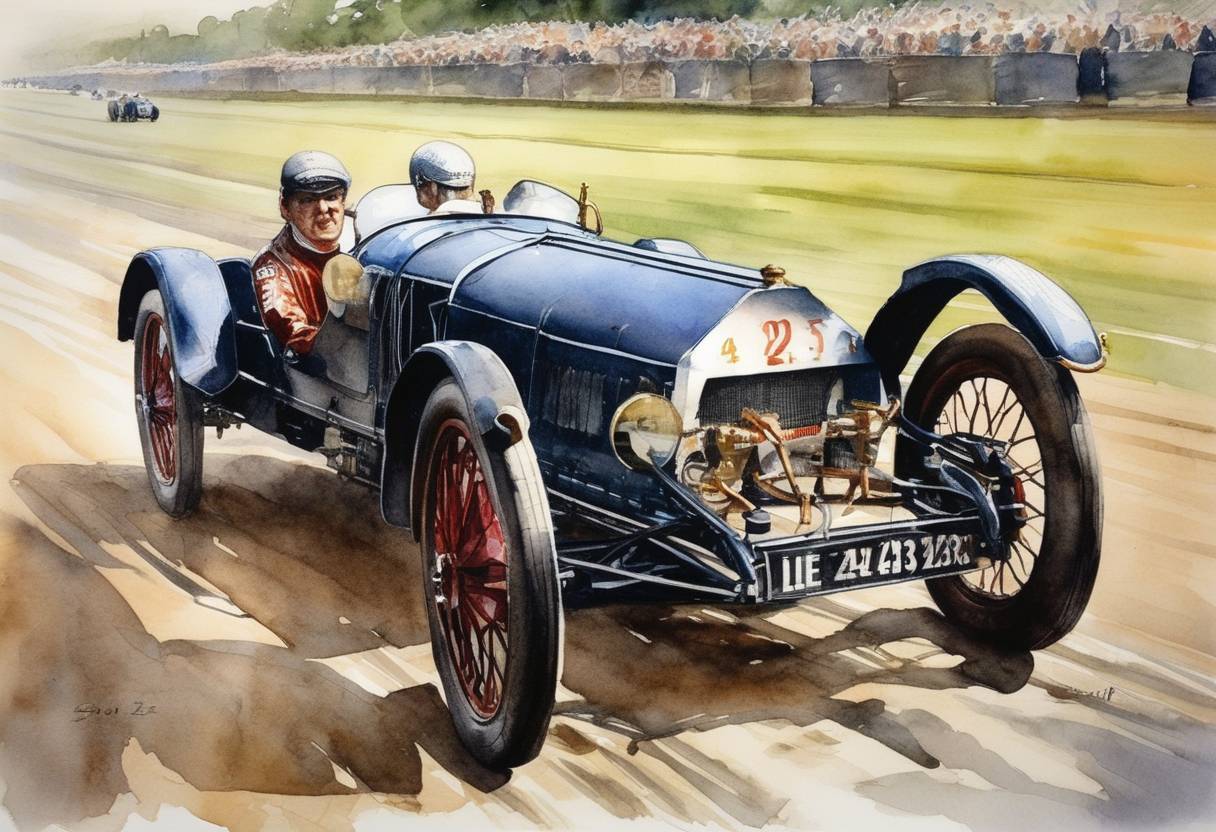
The 24 Hours of Le Mans, the oldest active endurance race for sports cars, was first held on May 27, 1923, at the Circuit de la Sarthe in Le Mans, France. This iconic event marked the beginning of what would become one of the most prestigious automobile races in the world.
The race was conceived by the Automobile Club de l’Ouest (ACO) and aimed to test the durability, reliability, and fuel efficiency of cars over a continuous 24-hour period, rather than the faster, shorter races which predominated at the time. It was part of plans to boost automobile development between the World Wars.
The 1923 race set precedents that have become legendary in the motorsports world, focusing on endurance and mechanical reliability rather than just speed. These elements have continued to define the character and prestige of Le Mans races over the decades, attracting automotive innovation and international attention.
Today, the 24 Hours of Le Mans remains a showcase of endurance, bravery, and innovation, a true testament to the enduring spirit of motorsport competition.
Source: www.lemans.org