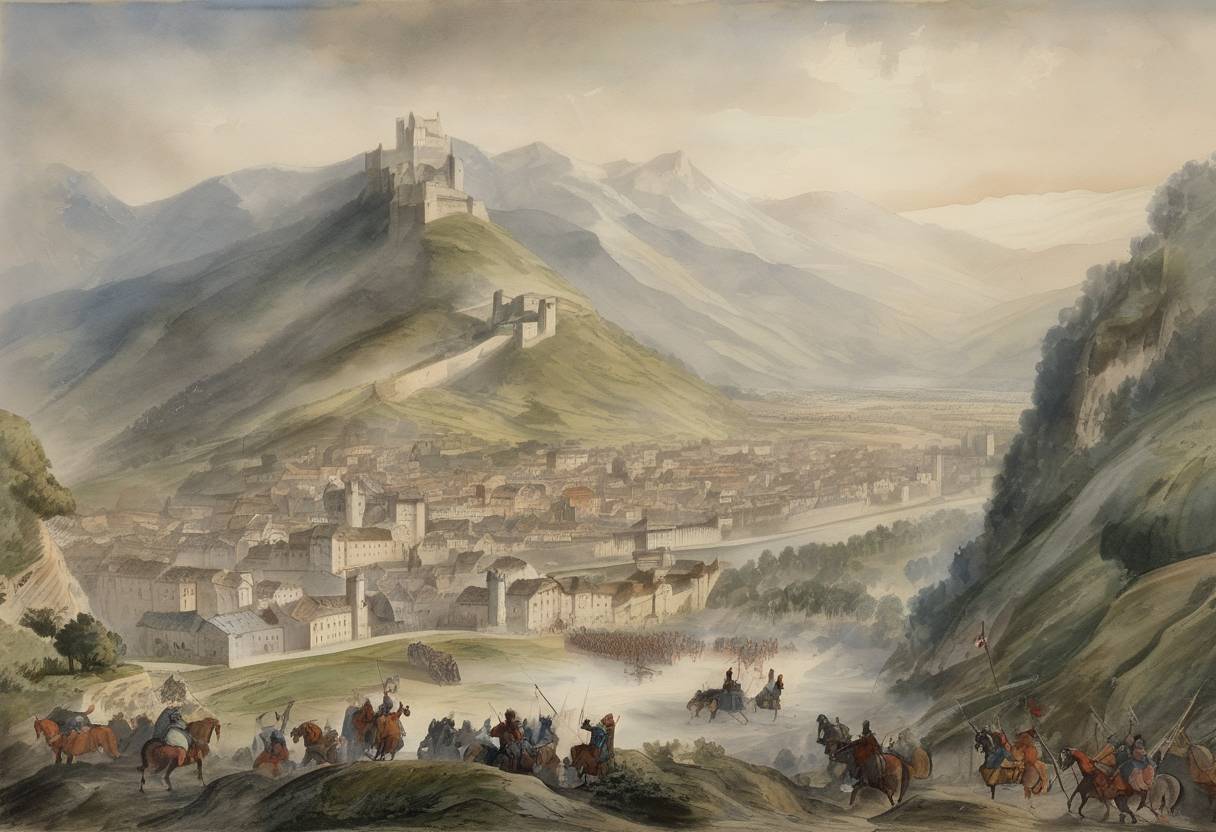
The Capture of Sion in the War of Succession: March 1, 1322
On March 1, 1322, the forces of Philip V of France captured the city of Sion amid the complex geopolitical conflicts of the early 14th century. This event was part of the broader backdrop of the War of Succession against Edward II of England, reflecting the enduring struggle for power over territories and influence in medieval Europe.
Context and Prelude
- Background of the War: The War of Succession was significantly shaped by the disputes over territories and claims to thrones, intensified by feudal allegiances and shifting royal alliances.
- Philip V of France: Known as Philip the Tall, he was crowned King of France following the deaths of his elder brothers without male heirs. His reign was marked by a focus on consolidating power and fortifying territorial claims, particularly against English interests.
- Edward II of England: His reign was fraught with internal strife, political upheaval, and military challenges, making it difficult to defend English-held lands on the continent effectively.
The Capture of Sion
- Strategic Importance: Sion, a significant location within the Valais region, held strategic value given its position and resources within the contested area between France and neighboring regions sympathetic to English interests.
- Military Campaign: The capture was part of a larger military campaign by Philip V to assert dominance in the disputed areas, leveraging his forces to rapidly capture key locations from those allied with English authority.
Significance and Consequences
- Strengthening French Claims: Taking Sion symbolized a strengthening of French territorial claims and diminished English influence in the area, altering the balance of power.
- Broader Conflict: This action demonstrated the tense nature of Franco-English relations, which persisted throughout the medieval period, foreshadowing further conflicts such as the Hundred Years’ War.
- Imperial and Local Dynamics: The event also highlighted the complex interaction between local authorities and imperial ambitions, with local dynasties often caught between the competing interests of larger powers like France and England.
Aftermath
- Consolidation of Power: The successful capture allowed Philip V to consolidate his power in the region, securing a critical foothold that would support French interests in subsequent negotiations and military engagements.
- Implications for Succession Wars: While the immediate impact was regional, the capture of Sion illustrated the broader dynamics of succession disputes, where military might often settled contested claims, influencing the political landscape of medieval Europe.
Capturing Sion was a tactical win for Philip V, underscoring the ongoing rivalry that characterized the medieval era’s politics, impacting the socio-political fabric of Europe for years to come.