Banner Coal Mine Explosion - September 25, 1911
1911 · Banner, United States
An explosion occurred at the Banner Coal Mine in Banner, Illinois, resulting in the deaths of eight miners.
January 16, 1862
The Hartley Colliery disaster occurred when a beam in the pit's steam engine fractured, preventing the miners' escape. The mine was located in Earsdon, Northumberland, England, and resulted in the death of 204 men and boys.
Earsdon, England | Hartley Colliery
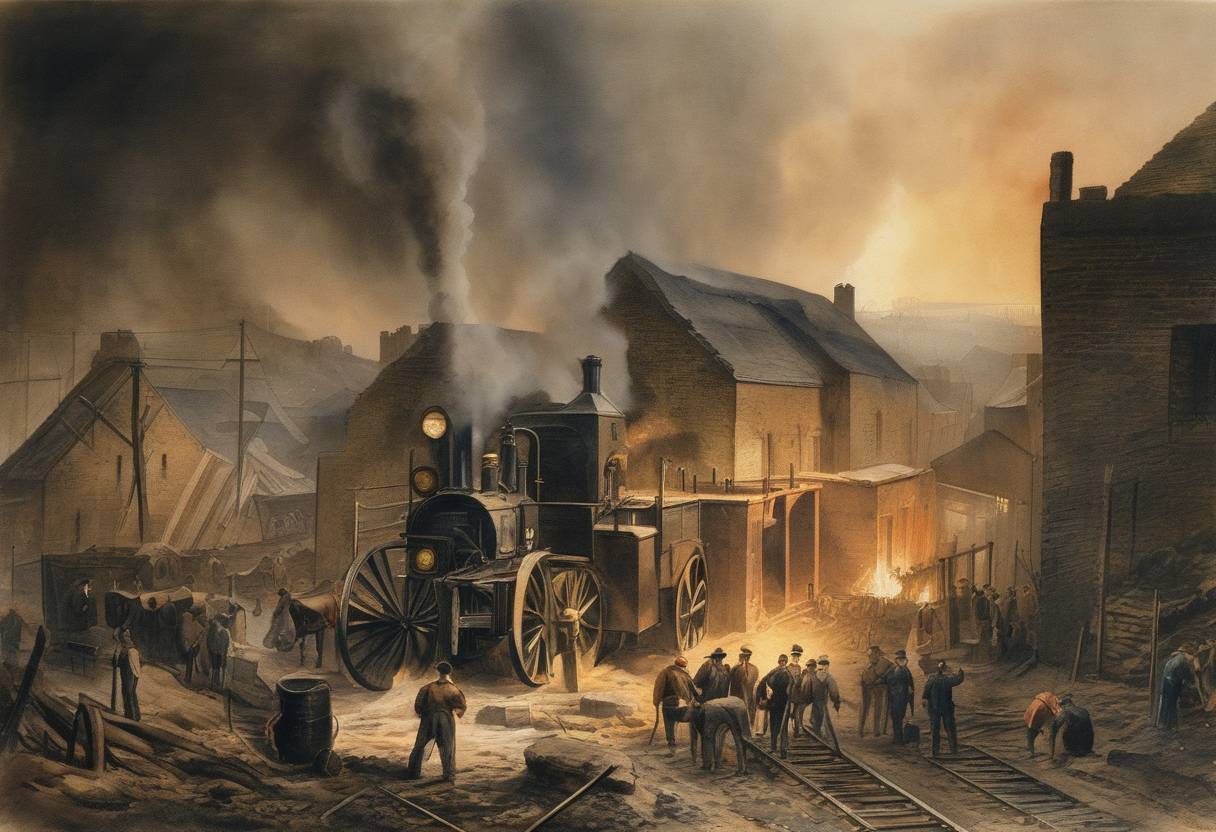
The Hartley Colliery disaster was the most devastating mining accident in Northumberland’s history and marked a critical moment in British industrial safety regulation. It occurred on January 16, 1862, at the Hester Pit in the village of New Hartley, near Earsdon, Northumberland, England.
The Hester Pit, which was part of the Hartley Colliery complex, was equipped with a large beam engine used to operate its pump and hoisting gear. Like many mines from the era, this pit had only a single shaft to serve both as a hoist and as a ventilation passage.
On the morning of January 16, 1862, a crucial component of the mine’s infrastructure failed. A wrought iron beam, which was part of the steam engine system used to haul coal and miners up and down the shaft, suddenly fractured. This catastrophic failure caused part of the structure to collapse into the shaft, blocking the only means of egress for the miners working below.
The blockage trapped 204 miners at the bottom of the pit. Without an alternative exit, they faced dire conditions. Efforts to clear the debris and rescue the trapped miners began immediately but were hampered by the severity of the collapse. In the ensuing days, as rescue operations continued, it became clear that the inability to provide adequate ventilation was leading to fatal air quality within the mine.
Over the course of several days, rescue teams worked tirelessly to reach the miners, but tragically, all 204 men and boys perished, mostly due to asphyxiation. The youngest victim was only 10 years old, highlighting the perilous conditions faced by young workers during this period.
The disaster had a profound impact on public consciousness and led to significant changes in mine safety regulations. One of the most notable outcomes was the Mines Regulation Act of 1862, which mandated that all new mines be equipped with at least two independent means of exit. This legislation marked a turning point in industrial safety practices and aimed to prevent such tragedies from occurring in the future.
The Hartley Colliery disaster is remembered not only for the scale of its tragedy but also for its role in catalyzing reform within the British mining industry. The event is commemorated by various memorials in the area, serving as a somber reminder of the lives lost and the ongoing need for vigilance in industrial safety.
Source: en.wikipedia.org