Sierra Leone Becomes a Republic: April 19, 1971
1971 · Freetown, Sierra Leone
Sierra Leone becomes a republic, with Siaka Stevens as its first president.
June 28, 2023
The military in Sierra Leone enacts a nationwide curfew following deadly protests fueled by citizens' economic grievances.
Freetown, Sierra Leone | Government of Sierra Leone
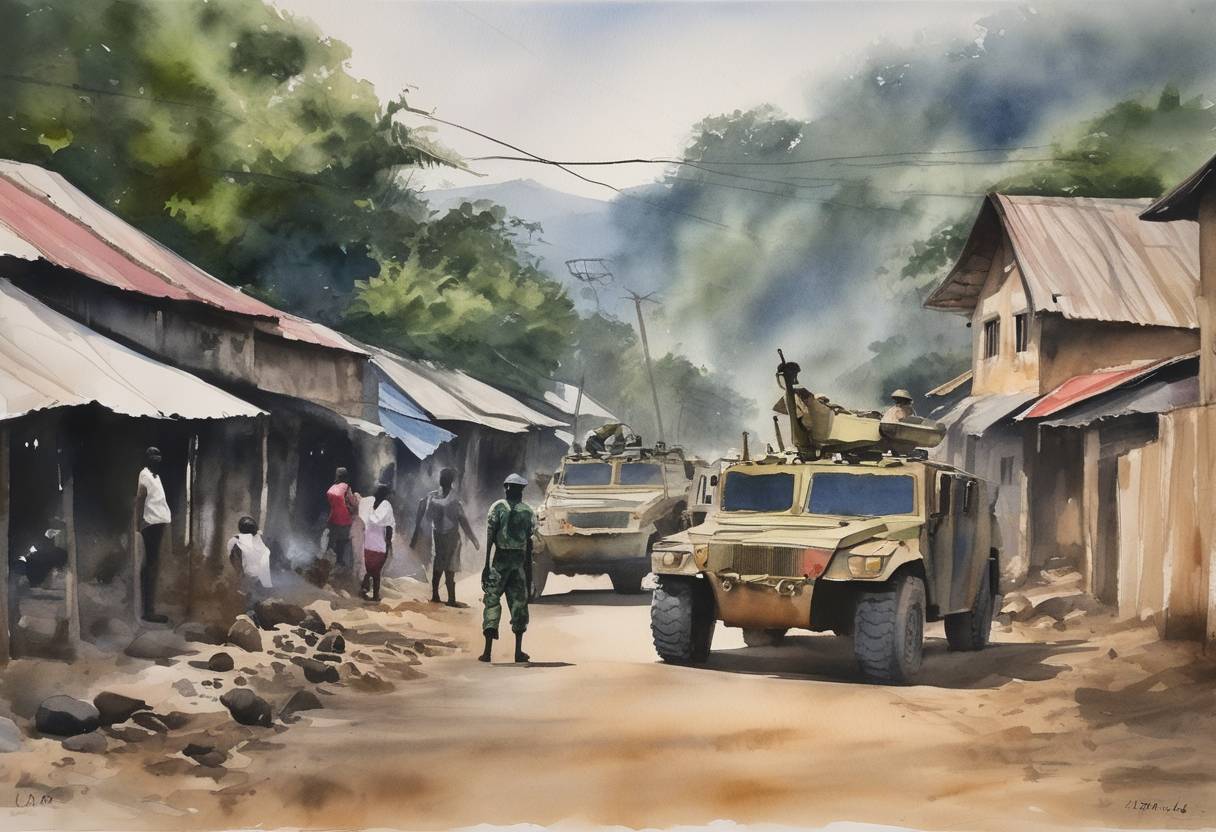
On June 28, 2023, Sierra Leone’s military imposed a nationwide curfew following a series of deadly protests. These protests were largely driven by deep-seated economic grievances among segments of the population. The dissatisfaction stemmed from rising costs of living, high unemployment rates, and perceived government inaction in addressing these pressing issues.
Sierra Leone has faced economic challenges for several years, exacerbated by a combination of global economic pressures and domestic fiscal policies that many citizens found burdensome. Prior to the protests, inflation had surged, affecting the prices of essential goods and services, while unemployment remained a critical issue, particularly among the youth.
In the weeks leading up to the protests, dissatisfaction was frequently expressed in various forums but reached a boiling point by late June. Rumors of organized demonstrations spread through social media, prompting a significant portion of the populace to mobilize.
The protests on June 28 began peacefully, with citizens congregating in major cities like Freetown to voice their economic concerns. However, the demonstrations swiftly escalated into violence, with incidents of looting and clashes between protestors and security forces reported. The unrest resulted in several fatalities and numerous injuries, escalating tensions between the populace and the government.
In response to the escalating violence and to restore order, the Sierra Leonean government, with backing from the military, announced a nationwide curfew on June 28. This curfew was intended to prevent further violence and was enforced immediately, restricting movement from evening until dawn.
The government’s decision to involve the military emphasized the severity with which they viewed the situation. Authorities urged calm and announced plans to address some of the grievances raised by protestors, though specifics were limited in initial follow-up statements.
The protests and the subsequent military-imposed curfew highlighted significant socio-economic issues within Sierra Leone, echoing similar concerns across various parts of Sub-Saharan Africa where populations face economic hardships amidst governance challenges. International observers and human rights organizations expressed concern over the use of military force to impose civil order and called for dialogue between the government and its citizens.
These events underscored the necessity for multifaceted solutions to address economic hardships and foster effective communication between government authorities and the public to prevent such incidents from recurring.
Source: www.aljazeera.com