Ellis Island Begins Processing Immigrants - January 1, 1892
1892 · New York City, United States
Ellis Island begins processing immigrants to the United States, becoming the nation's busiest immigrant inspection station.
May 23, 1895
The New York Public Library is created through the consolidation of the Astor Library, Lenox Library, and Tilden Trust.
New York City, United States | New York Public Library
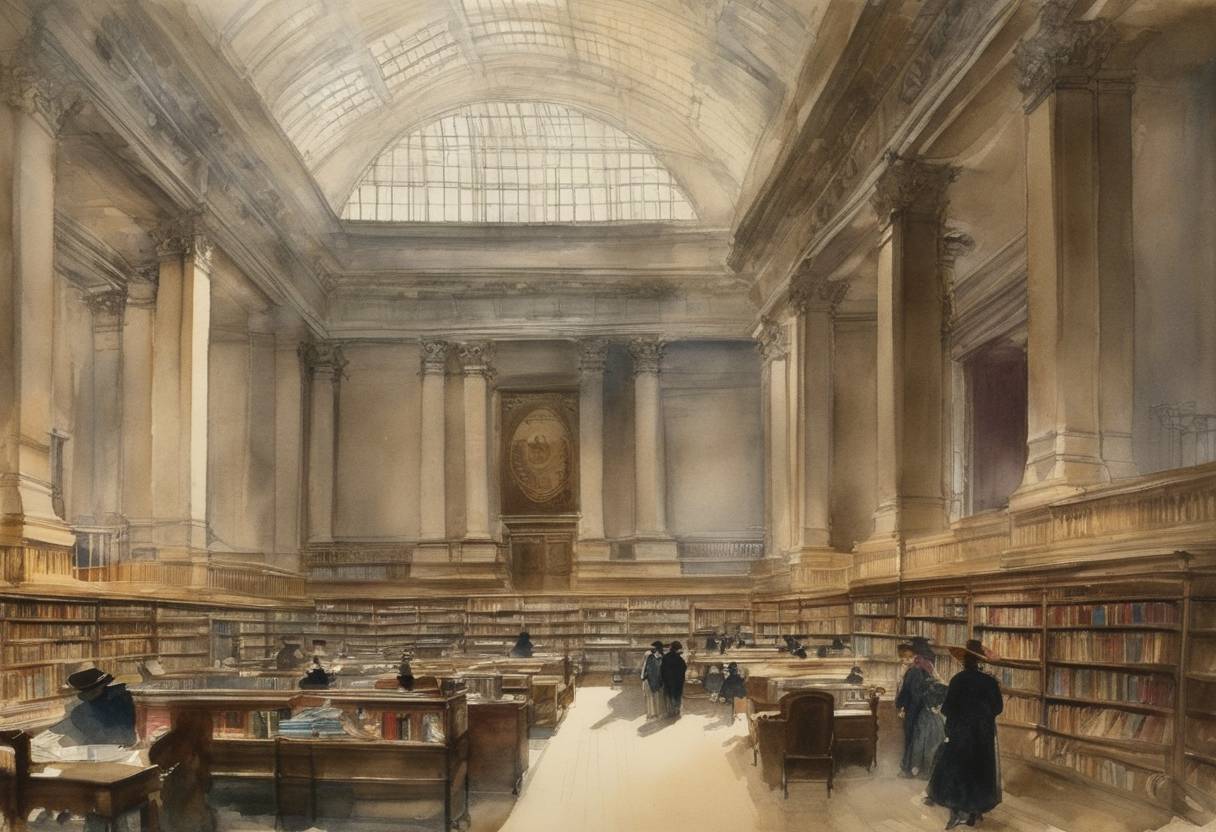
On May 23, 1895, the New York Public Library (NYPL) was officially established through the unification of three major collections: the Astor Library, Lenox Library, and the Tilden Trust. This monumental consolidation was driven by the philanthropic efforts of several influential New Yorkers and aimed at creating a comprehensive public library system accessible to the city’s population.
Founded by John Jacob Astor in 1849, the Astor Library was one of the first major library institutions in New York City, focused on providing a wide array of resources to the public. Its substantial collection laid a strong foundation for the future library system.
James Lenox, a bibliophile and philanthropist, established the Lenox Library in 1870. His collection included valuable manuscripts, rare books, and artworks. The library was renowned for its specialization in Americana and early American literature.
Samuel J. Tilden, a former Governor of New York and the 1876 Democratic presidential candidate, left a significant portion of his fortune in a trust to establish a free public library and reading room in New York City. His will allocated funds specifically for this purpose, emphasizing accessibility and public benefit.
The merger of these three institutions into the New York Public Library was facilitated by a committee led by John Bigelow, who was a trustee of the Tilden Trust. This unification was not only a logistical endeavor but also a symbolic one; it represented the shared vision of making knowledge and resources accessible to all New Yorkers, irrespective of their socioeconomic status.
The establishment of the NYPL marked a turning point in public accessibility to knowledge and education in New York City and has since grown into one of the world’s leading public library systems. With its vast collections and services, it serves millions of visitors annually and stands as a testament to the enduring impact of collective philanthropic efforts and dedication to public service.
Source: www.nypl.org