The Battle of the Philippine Sea: June 20, 1944
1944 · Philippine Sea, Pacific Ocean
The Battle of the Philippine Sea, a major naval battle of World War II, takes place between the United States and Japan, resulting in a decisive American victory.
May 8, 1942
The Battle of the Coral Sea ends with no clear victor, but it becomes the first air-sea battle in history and stops the Japanese expansion in the Pacific during World War II.
Coral Sea, None (Pacific Ocean) | United States Navy, Imperial Japanese Navy
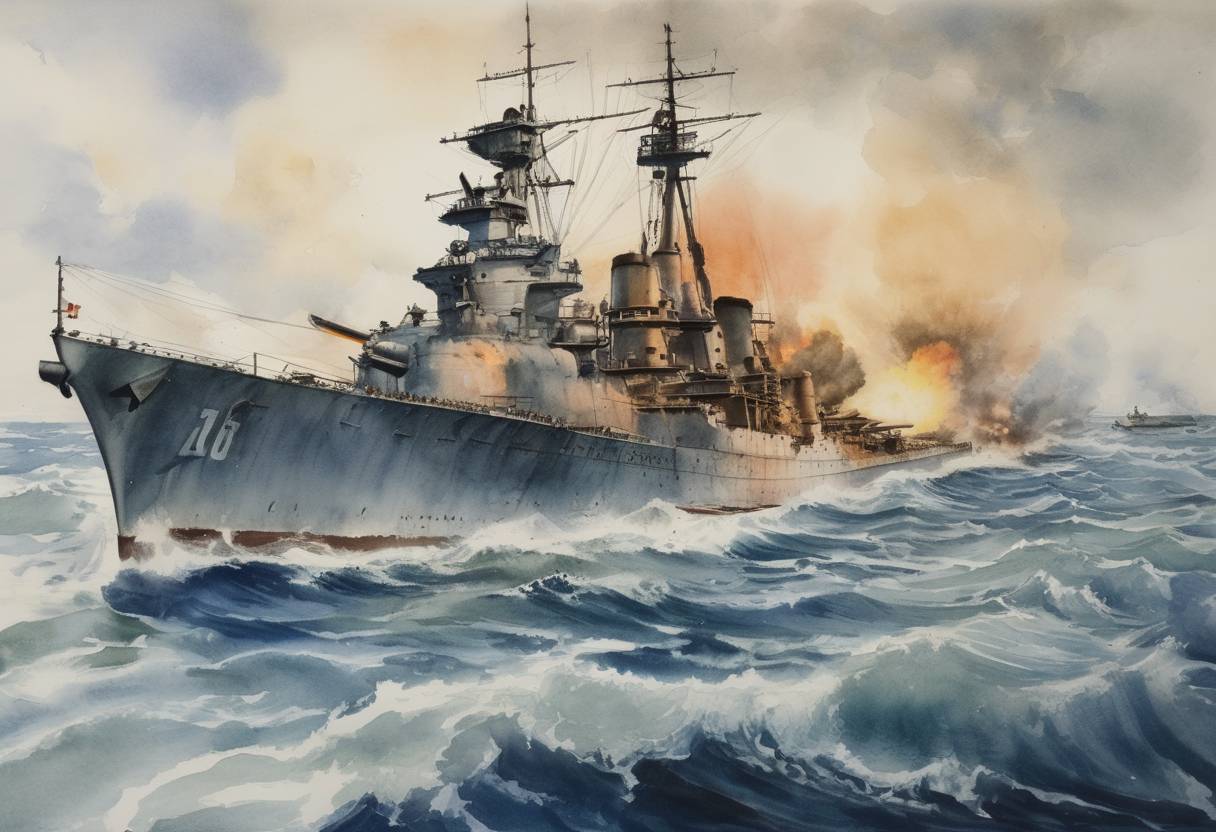
The Battle of the Coral Sea concluded on May 8, 1942, marking a pivotal moment in naval warfare during World War II. This battle is recorded as the first air-sea battle in history, where opposing naval forces launched aircraft to attack ships at sea, marking a significant evolution in naval strategy and technology.
The engagement took place in the Coral Sea, northeast of Australia, and was primarily conducted over four days, from May 4 to May 8, 1942. The battle was instigated by Japanese plans to invade and occupy Port Moresby in New Guinea, which was crucial for their strategy to isolate Australia and secure their southern flank.
The Japanese sought to capitalize on their recent successes, continuing their expansion across the Pacific. The U.S. Navy, having deciphered Japanese communications, was aware of the impending attack and aimed to thwart the invasion efforts.
The battle unfolded in several phases:
Initial Skirmishes (May 4-6): Preliminary encounters saw American and Japanese reconnaissance forces engaging each other. During these early days, both sides suffered losses, but the encounters were predominantly probing attacks rather than decisive engagements.
Carrier Strikes (May 7): The first major air-sea battle phase occurred when each side launched air strikes against the opponent’s carriers. On this day, the Japanese succeeded in sinking the U.S. destroyer USS Sims and aircraft carrier USS Lexington was damaged.
Climactic Battle (May 8): The following day witnessed intense aerial combat. Both the U.S. Navy and Imperial Japanese Navy launched waves of aircraft targeting the opposing carrier groups. The United States lost USS Lexington after sustaining severe damage and subsequent explosions, forcing the crew to abandon ship. Meanwhile, the Japanese suffered damage to the carrier Shōkaku and additional losses in aircraft and pilots.
While both fleets incurred substantial damages, the battle ended without a definitive tactical victor. Strategically, however, it maintained significant consequences:
Halting Japanese Expansion: Although a tactical draw, the battle disrupted Japanese plans to capture Port Moresby, marking the first strategic halt to Japanese expansion in the Pacific. This stand allowed the Allies time to regroup and re-strategize, shifting momentum in the Pacific Theatre.
Innovation in Warfare: The confrontation heralded an era where aircraft carriers and air superiority began to eclipse battleships, reshaping future naval doctrines and engagements.
Prelude to Midway: The battle’s lessons and experiences informed both Japanese and American strategies before the critical Battle of Midway one month later, which decidedly shifted the balance in favor of the Allies.
The Battle of the Coral Sea demonstrated the critical role of intelligence, strategy, and new technology in modern warfare, setting the stage for subsequent Allied successes in the Pacific campaign.
Source: en.wikipedia.org