Chuck Yeager Breaks the Sound Barrier
1947 · Muroc Air Force Base, United States
U.S. Air Force Captain Chuck Yeager became the first person to fly faster than the speed of sound.
August 25, 1958
The U.S. Air Force Academy opened its doors to the first class of cadets at its campus in Colorado Springs, Colorado.
Colorado Springs, United States | U.S. Air Force
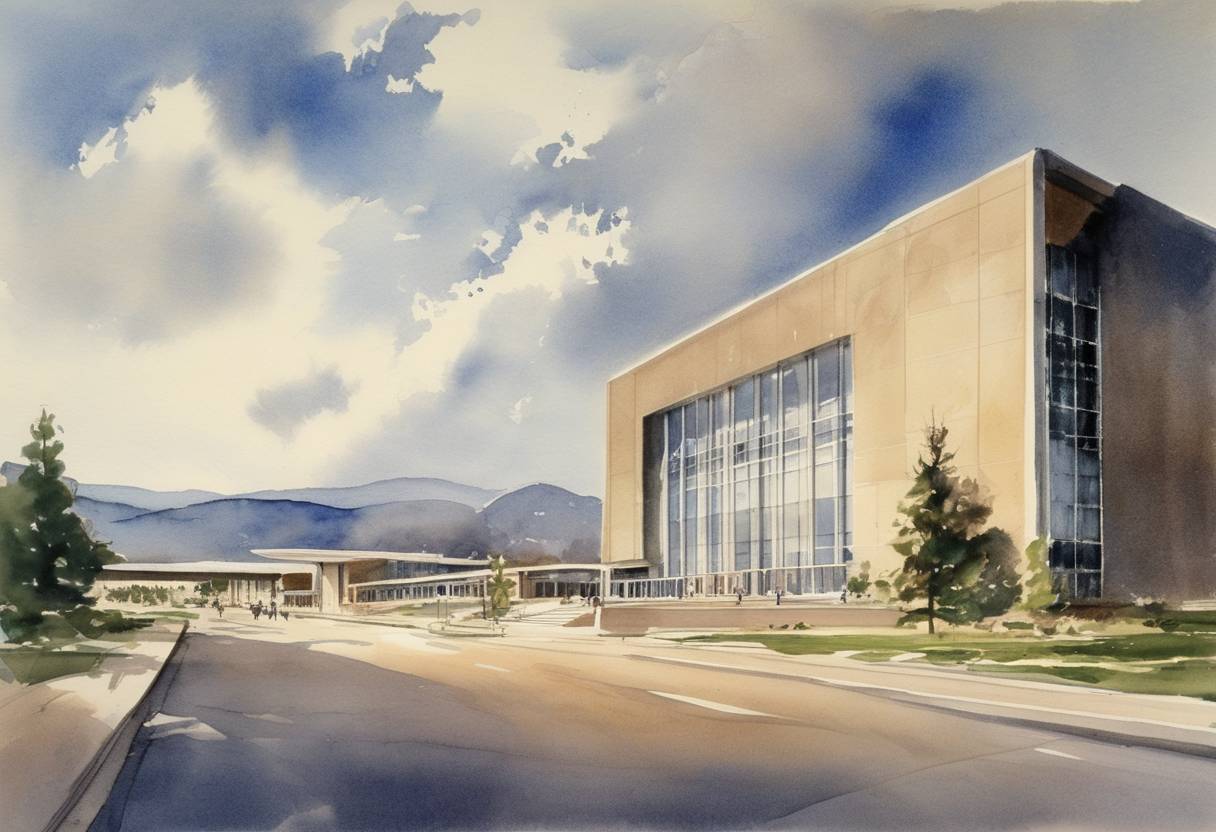
On August 25, 1958, the United States Air Force Academy welcomed its first class of cadets to its newly established campus in Colorado Springs, Colorado. This marked a significant milestone in the history of the Air Force, as it provided a dedicated institution for the training and education of future Air Force officers.
The need for a separate academy for the Air Force was recognized soon after the service’s establishment as an independent branch of the U.S. Armed Forces in 1947. Previously, Air Force officers were commissioned through other service academies such as West Point and Annapolis, or through ROTC programs at civilian universities. Congress authorized the creation of the Air Force Academy with the passage of the Air Force Academy Act in 1954.
Initially, the first classes were conducted at a temporary location on the grounds of Lowry Air Force Base in Denver, Colorado, beginning in 1955. The permanent site in Colorado Springs was selected for its favorable elevation, vast space, and proximity to necessary training facilities.
The Air Force Academy aimed to combine a rigorous academic curriculum with intensive military training, preparing cadets for a rapidly developing technological and strategic environment. It embodied advancements in higher education and military doctrine by emphasizing aeronautics, astronautics, and engineering, along with a strong liberal arts foundation.
Opening its doors at the new campus in 1958 symbolized the culmination of these efforts, offering state-of-the-art facilities and embodying the Air Force’s spirit of innovation and progress.
The campus, designed by the architectural firm Skidmore, Owings and Merrill, featured striking modernist architectural elements. This included iconic structures such as the Cadet Chapel, characterized by its 17 spires and innovative use of space, steel, and glass.
The admittance of the inaugural class at the U.S. Air Force Academy’s complete campus in Colorado Springs marked the start of a new era in military education. It not only served as the foundation for cultivating Air Force leadership but also established a legacy of excellence and commitment to service. The institution has since grown in prestige and continues to play a critical role in shaping the U.S. Air Force’s future leaders.
Source: en.wikipedia.org