Bugs Bunny’s Official Debut in “A Wild Hare”
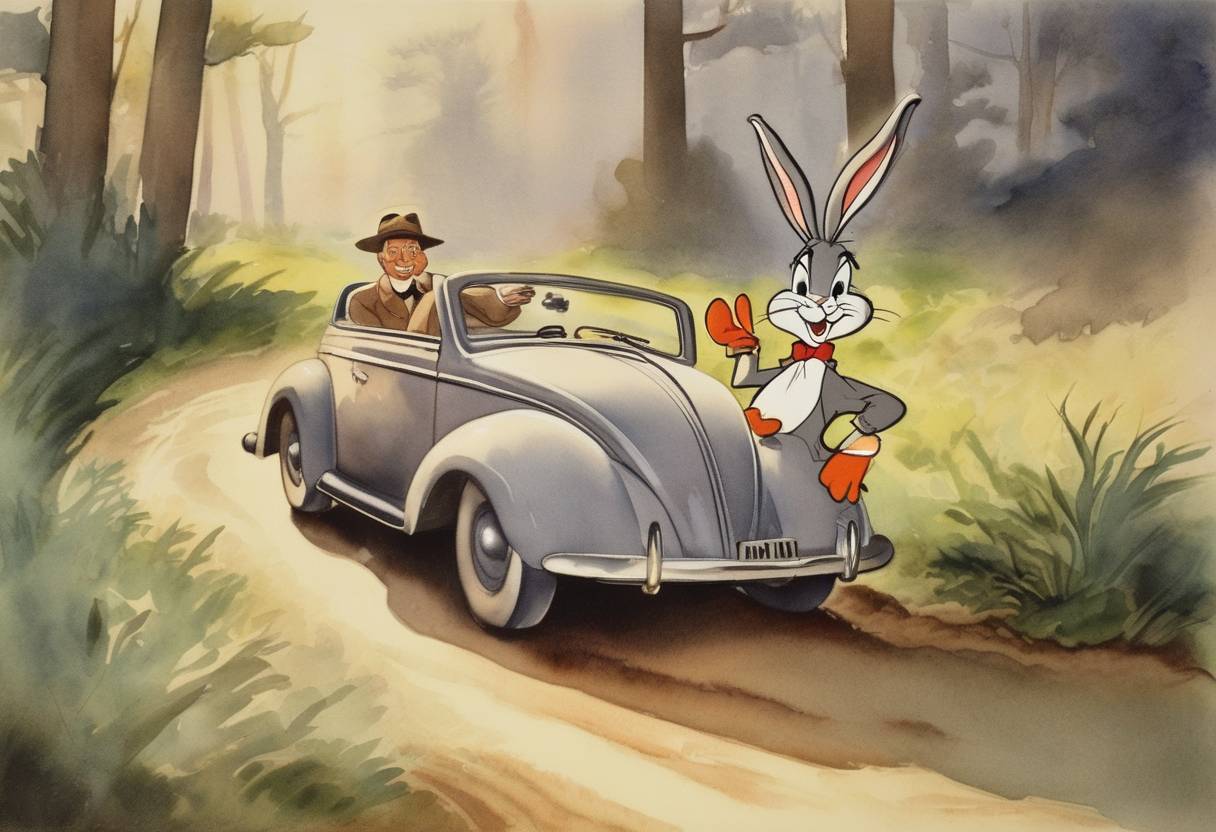
On July 27, 1940, one of animation’s most iconic characters, Bugs Bunny, made his official debut in the animated short “A Wild Hare.” This cartoon, produced by Warner Bros., was directed by Tex Avery and marked Bugs Bunny’s first appearance in his finalized form, featuring his distinctive voice, personality, and catchphrase.
Context and Development
Warner Bros. had been developing a character similar to Bugs Bunny throughout the late 1930s, with several earlier prototypes appearing in previous Looney Tunes cartoons. However, “A Wild Hare” is widely recognized as the official debut of the Bugs Bunny we know today. Tex Avery, alongside animator Bob Clampett and voice actor Mel Blanc, played crucial roles in shaping Bugs’ character and style.
Key Features of “A Wild Hare”
Character Design and Personality: Bugs displayed a confident, laid-back demeanor with a habit of facing challenges with cleverness and humor. His design included the stretched ears, buck teeth, and gray coloring that became his trademark features.
Signature Line: Bugs Bunny’s famous greeting, “What’s up, Doc?” made its first appearance in this cartoon, delivered in Mel Blanc’s distinctive Brooklyn-Bronx accent that further defined Bugs’ character.
Narrative: “A Wild Hare” begins when Elmer Fudd, voiced by Arthur Q. Bryan, is hunting rabbits. Bugs skillfully outsmarts Elmer with his wit and nonchalant attitude, leading to a series of humorous encounters, solidifying the dynamic between Bugs and Elmer that would be a staple in many future cartoons.
Significance and Legacy
The success of “A Wild Hare” was instrumental in establishing Bugs Bunny as a central character for Warner Bros. and a cultural icon. The cartoon received an Academy Award nomination for Best Short Subject: Cartoons in 1941, showcasing its impact and popularity.
Bugs Bunny’s personality, characterized by his clever humor and ability to outwit opponents, resonated with audiences and contributed to the enduring popularity of the Looney Tunes series. This debut set the stage for over 80 years of animated entertainment, influencing countless other creators and becoming a symbol of American popular culture.