Assassination of Martin Luther King Jr. - April 4, 1968
1968 · Memphis, United States
Civil rights leader Martin Luther King Jr. is assassinated at the Lorraine Motel in Memphis, Tennessee, leading to nationwide riots and a period of mourning.
March 10, 1969
James Earl Ray pleaded guilty to the assassination of civil rights leader Martin Luther King Jr. and was sentenced to 99 years in prison. This plea avoided a trial that could have attracted significant public attention.
Memphis, United States | U.S. Judicial System
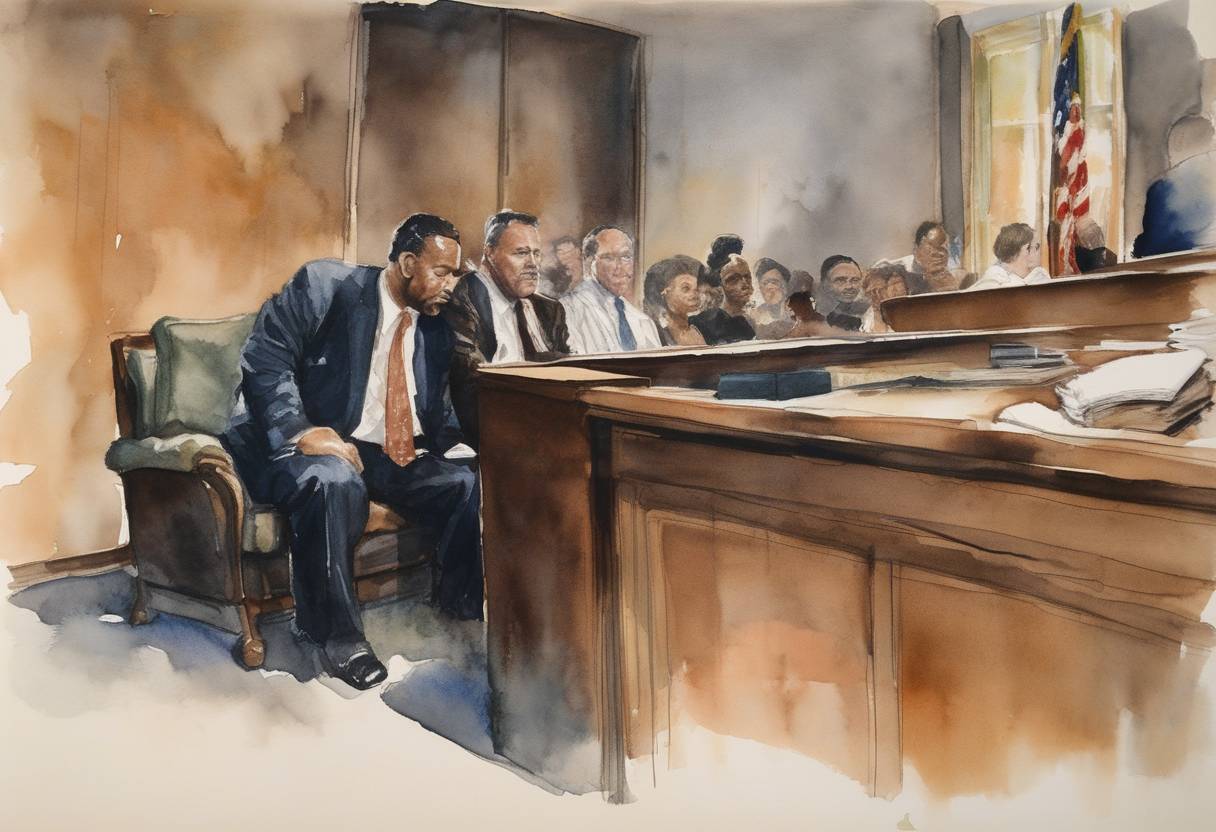
On March 10, 1969, James Earl Ray pleaded guilty to the assassination of Dr. Martin Luther King Jr., a defining moment that underscored the turbulent civil rights era in the United States. This plea was submitted at the Shelby County Courthouse in Memphis, Tennessee, nearly a year after Dr. King’s assassination on April 4, 1968.
Dr. Martin Luther King Jr., a pivotal leader in the American civil rights movement, was fatally shot while standing on the balcony of the Lorraine Motel in Memphis. This act of violence fueled widespread riots and mourning across the nation. The civil rights movement, seeking to dismantle systemic racism and achieve equality, faced severe backlash, which manifested violently with Dr. King’s assassination.
Nature of the Plea: Ray’s guilty plea was part of a pre-arranged agreement that spared him the death penalty. In exchange for his guilty plea to the murder charge, Ray received a sentence of 99 years in prison.
Avoidance of Trial: Ray’s admission of guilt effectively avoided a public trial, which would likely have drawn extensive national and international attention. A trial could have brought heightened scrutiny and tension during a period still reverberating from the seismic shifts of the civil rights movement.
Judge Involvement: The plea was accepted by Judge W. Preston Battle, who sentenced Ray to 99 years. The swift nature of this legal proceeding contrasted sharply with the widespread attention Dr. King’s assassination had generated.
Ray’s guilty plea did not end the controversy surrounding Dr. King’s assassination. Over the years, Ray recanted his confession, sparking numerous conspiracy theories and ongoing investigations into the assassination. Doubts persisted about whether Ray acted alone or as part of a larger conspiracy, though he maintained his innocence until his death in 1998.
The plea and the resultant sentence symbolized a form of closure in the legal sense but left many questions unanswered for the public and close associates of Dr. King. The event underscored ongoing racial tensions and the quest for justice and equality, reminding the nation of its strained journey toward civil rights.
Dr. King’s assassination and Ray’s subsequent plea served as pivotal influences in bolstering the civil rights movement. The tragedy catalyzed legislative and societal changes, although it also highlighted the persistent struggle against racial injustice. The legacy of Dr. King continued to inspire reform, awareness, and progress in the fight for civil rights long after these legal proceedings concluded.
Source: en.wikipedia.org