The End of the Great Depression in the United States: December 4, 1943
1943 · Washington, D.C., United States
The Great Depression officially ends in the United States as the economy recovers due to World War II production demands.
April 8, 1935
The Works Progress Administration (WPA) is founded as part of the New Deal to provide public works jobs for the unemployed during the Great Depression.
Washington, D.C., United States | United States Government
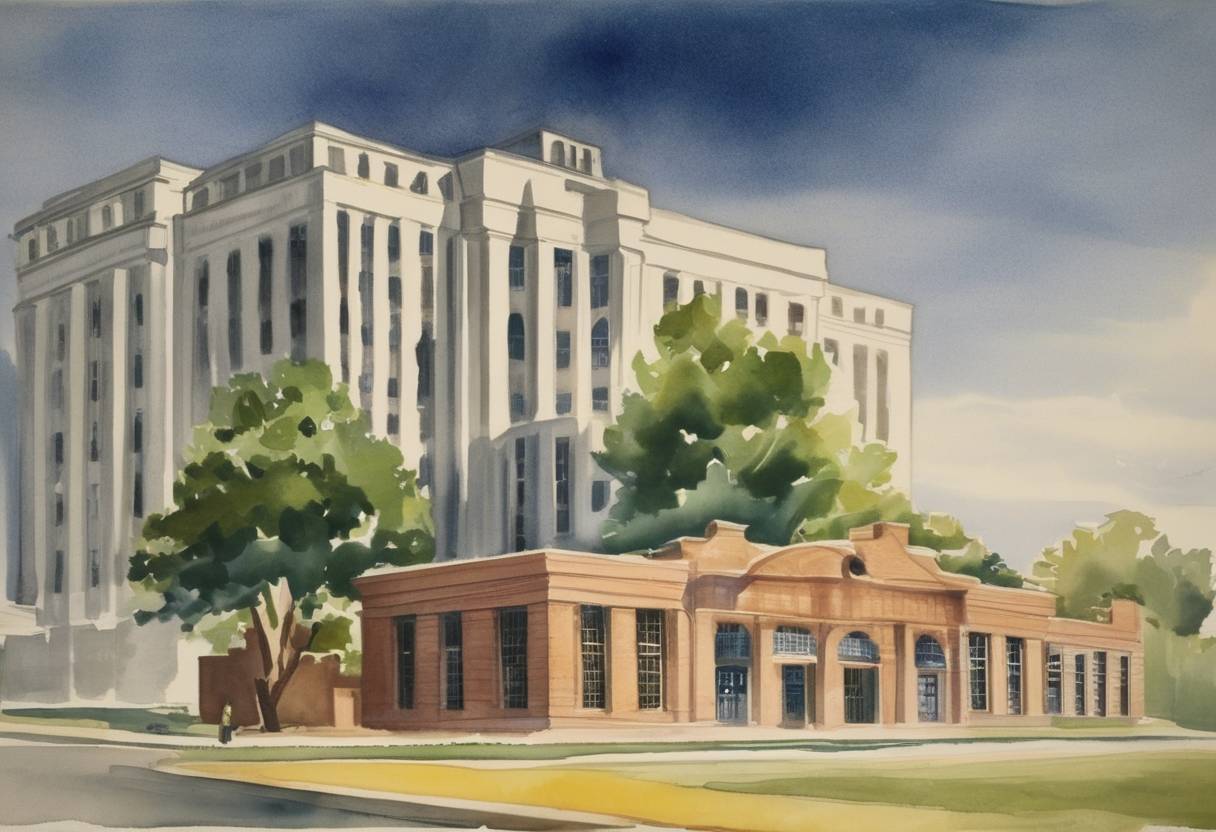
On April 8, 1935, the United States Congress passed the Emergency Relief Appropriation Act, which laid the groundwork for the establishment of the Works Progress Administration (WPA). This initiative was a cornerstone of President Franklin D. Roosevelt’s New Deal program, aimed at mitigating the devastating effects of the Great Depression. The WPA was officially created to provide jobs and income to millions of Americans who were unemployed, thus playing a crucial role in the nation’s economic recovery.
The Great Depression began with the stock market crash of 1929, leading to widespread economic hardship across the United States. By 1933, unemployment had soared to approximately 25%, leaving many families in dire poverty. In response, President Roosevelt launched a series of government programs under the New Deal to promote economic recovery and social reform.
The WPA became one of the largest and most ambitious New Deal agencies. Its primary objective was to provide public works jobs, which offered immediate relief to those severely impacted by the economic downturn while simultaneously enhancing the nation’s infrastructure. The WPA embarked on a diverse range of projects, including:
Construction Projects: The WPA was responsible for the construction and repair of roads, bridges, schools, libraries, and public buildings. Over its lifespan, the agency built or improved more than 650,000 miles of roads and constructed around 125,000 public buildings.
Cultural Endeavors: The WPA also left a profound impact on the cultural landscape of America through programs such as the Federal Art Project, the Federal Writers’ Project, and the Federal Theatre Project. These initiatives provided employment for artists, writers, musicians, and actors.
Education and Employment: In addition to infrastructure, the WPA supported educational initiatives, adult education programs, and vocational training, helping to uplift communities and equip individuals with new skills.
The WPA employed over 8.5 million people throughout its existence, infusing hope and dignity into a struggling populace by offering meaningful work. The projects initiated by the WPA contributed significantly to the modernization of the United States, establishing vital infrastructure that would serve the country for decades.
Even after its discontinuation in 1943 as the country shifted focus during World War II, the legacy of the WPA endured through its profound contributions to American society and its pivotal role in shaping the nation’s response to future economic crises. It remains a significant example of government intervention aimed at economic recovery and social enhancement, reflective of the New Deal’s broader impact on American life.
Source: www.npr.org