The Foundation of Cologne Cathedral: August 25, 1248
1248 · Cologne, Holy Roman Empire
The foundation stone of Cologne Cathedral was laid, marking the beginning of its construction, which would continue intermittently for over 600 years.
May 9, 1092
Lincoln Cathedral in England was consecrated. Originally built in 1072 under Bishop Remigius, the cathedral was rededicated after being rebuilt following a fire.
Lincoln, England | Catholic Church
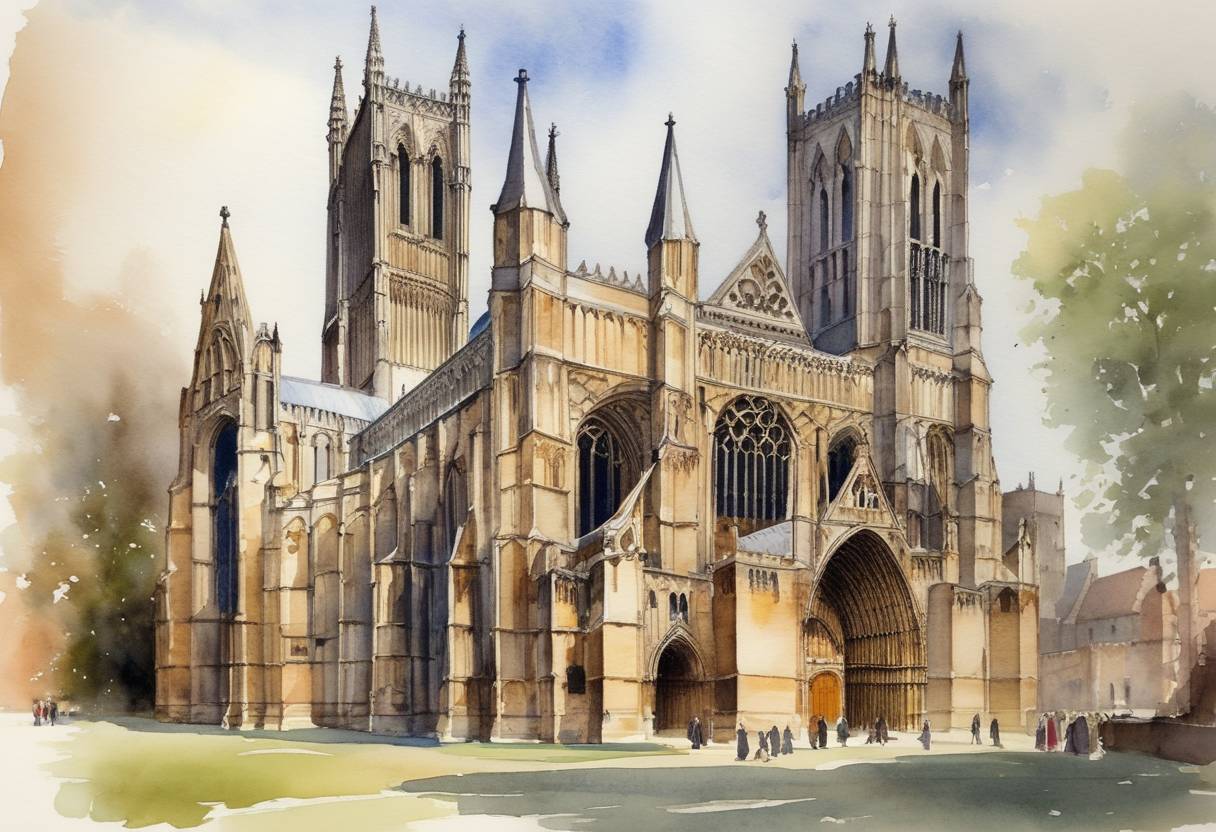
On May 9, 1092, Lincoln Cathedral in England was consecrated, marking a significant development in medieval ecclesiastical architecture. Originally constructed under the guidance of Bishop Remigius de Fécamp, the striking house of worship held enormous religious and cultural importance in the area.
The initial construction of Lincoln Cathedral began under Bishop Remigius, a Norman monk appointed by William the Conqueror. The project commenced in the wake of the Norman conquest of England as part of the broader effort to exert Norman influence across the country. The original structure, completed in 1072, was a formidable building made primarily from local limestone, characterized by Romanesque architectural elements typical of the Norman style prevalent at the time.
The grand consecration ceremony took place on May 9, 1092. This event was a crucial moment for the cathedral as it marked its official dedication to serving spiritual needs and asserting the influence of Norman ecclesiastical power in the region. Unfortunately, Bishop Remigius, who played a pivotal role in the creation of the cathedral, passed away shortly before the consecration, just three days earlier, on May 7, 1092, and did not witness the culmination of his efforts.
Following its initial consecration, the cathedral endured periodic challenges, including a devastating fire in 1141 that severely damaged much of the structure. This prompted rebuilding efforts, which led to extensive renovations and expansions over the succeeding centuries. The Cathedral was continuously rebuilt and modified, transitioning through varied architectural styles and ultimately evolving into the depicted Gothic masterpiece known today.
The consecration of Lincoln Cathedral in 1092 is more than a milestone in architectural history—it laid the foundation for Lincoln’s growth as a significant ecclesiastical center. Over time, the cathedral would gain fame for its impressive size and architectural innovations, particularly the stunning ribbed vaults and pointed arches added in later centuries. At one point, it held the distinction of being the tallest building in the world after the completion of its central spire in the early 14th century.
Lincoln Cathedral’s consecration underlined the growing power and influence of the church during this period, playing a pivotal role in the religious and cultural life of medieval England.
Source: en.wikipedia.org