O.J. Simpson Acquittal - October 3, 1995
1995 · Los Angeles, United States
O.J. Simpson is acquitted of the murders of Nicole Brown Simpson and Ron Goldman. The trial had taken place over much of the preceding year and received worldwide publicity.
April 17, 1969
Sirhan Sirhan was convicted of assassinating United States Senator Robert F. Kennedy.
Los Angeles, United States | Los Angeles Superior Court
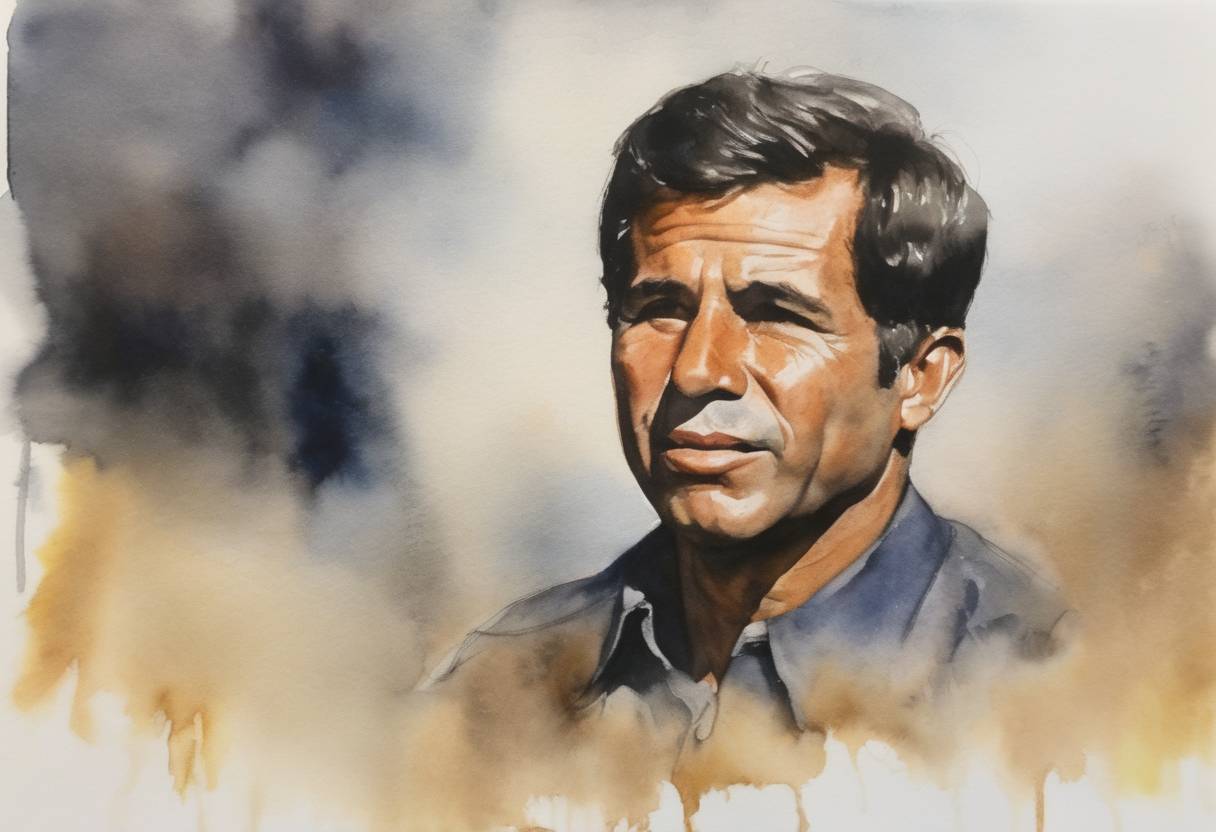
On April 17, 1969, Sirhan Bishara Sirhan was convicted of first-degree murder for the assassination of United States Senator Robert F. Kennedy. This marked a significant moment in American legal and political history, falling less than a year after the tragic event.
Robert F. Kennedy, a prominent political figure and the younger brother of President John F. Kennedy, was assassinated on June 5, 1968, shortly after delivering a victory speech upon winning the California Democratic primary for the presidential election. The assassination took place at the Ambassador Hotel in Los Angeles, California.
Kennedy’s assassination was a pivotal event, occurring during a period of great social and political upheaval in the United States. Sirhan Sirhan, a 24-year-old Palestinian immigrant, was apprehended at the scene of the crime. The motive for the assassination was reportedly linked to Sirhan’s anger over Kennedy’s pro-Israel stance during his campaign.
Sirhan Sirhan’s trial began in late January 1969. The prosecution, led by Chief Deputy District Attorney Evelle Younger, presented a case grounded in overwhelming evidence, including eyewitness testimonies and Sirhan’s own admission of guilt during police interrogations. The defense, led by attorney Grant Cooper, argued for diminished capacity, suggesting Sirhan was mentally incapable of premeditation.
On April 17, 1969, after just two months of trial, Sirhan Sirhan was found guilty of first-degree murder. The jury deliberated for only a few hours before reaching a verdict. Subsequently, Sirhan was sentenced to death on May 21, 1969. However, in 1972, his sentence was commuted to life in prison after the California Supreme Court invalidated the state’s death penalty laws.
The assassination of Robert F. Kennedy and the subsequent conviction of Sirhan Sirhan had profound implications. It underscored the volatility of the 1960s in America, a period marked by political assassinations, civil rights movements, and widespread social unrest. It also spurred significant changes in U.S. Secret Service protections and led to increased debates over gun control and security measures for public officials.
Sirhan’s conviction remains a topic of discussion and controversy, with numerous appeals and parole hearings over the decades maintaining its relevance in discussions concerning justice and historical legacy.
Source: www.biography.com