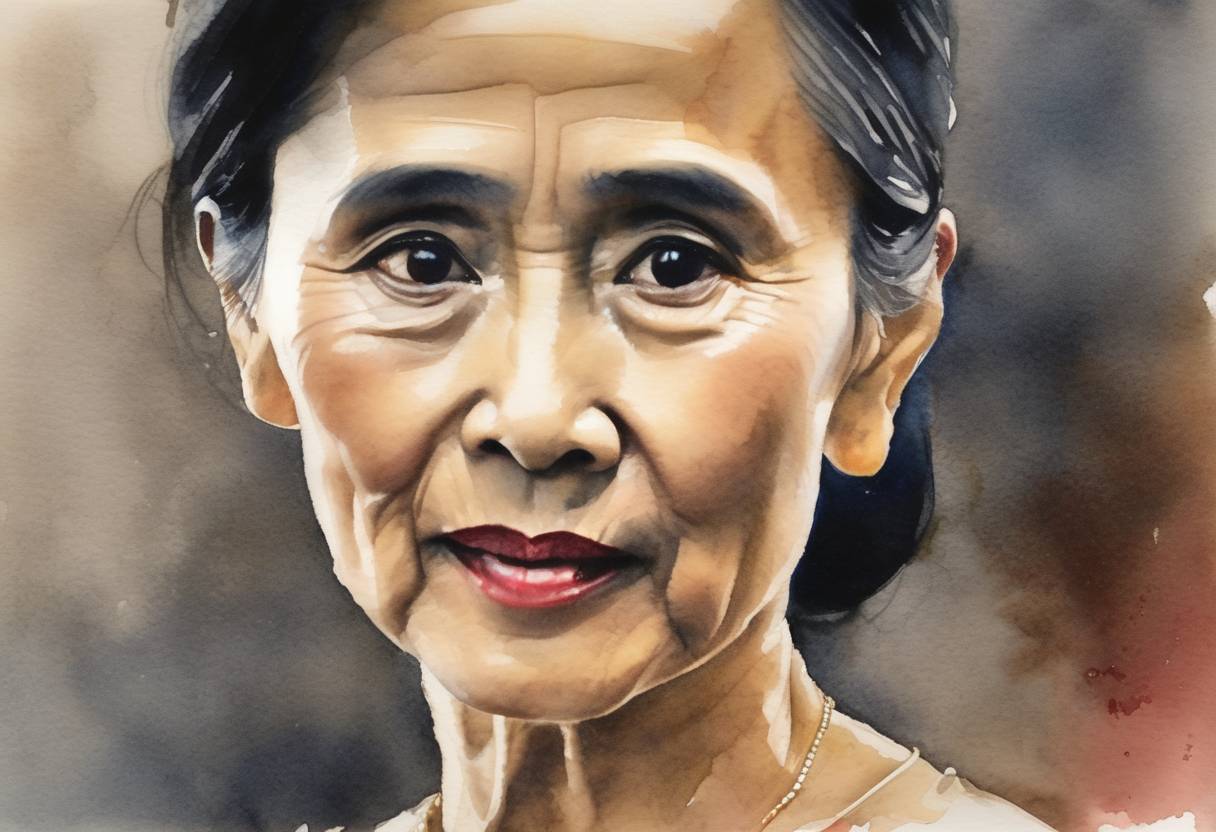
Aung San Suu Kyi’s Nobel Peace Prize Acceptance Speech - June 13, 2012
Background
Aung San Suu Kyi, a prominent figure in Myanmar’s pro-democracy movement, was awarded the Nobel Peace Prize in 1991. At the time, she was under house arrest imposed by Myanmar’s military junta and could not travel to Oslo, Norway, to accept the award. The Nobel Committee recognized her efforts through nonviolent struggle for democracy and human rights.
The Speech
On June 13, 2012, Aung San Suu Kyi delivered her long-awaited Nobel Peace Prize acceptance speech in Oslo after being released from house arrest in November 2010. This event marked her first visit to Europe in over two decades, symbolizing a critical moment in the global acknowledgment of Myanmar’s pro-democracy movement.
In her speech, Suu Kyi expressed gratitude for the international solidarity she experienced while isolated in Myanmar. She highlighted the prize’s role in sustaining her spirit and those of her supporters, emphasizing the importance of global human rights advocacy.
Key Themes
The Power of Empowerment: Suu Kyi emphasized how the award helped raise awareness of Myanmar’s political struggle and provided the moral support needed to continue her cause.
Interconnectedness: She spoke about the interconnectedness of people worldwide, advocating for mutual understanding and peace as foundational elements for progress.
Human Rights: The speech reiterated her belief in nonviolent protest and the continuous struggle to uphold human rights as universal principles.
Gratitude and Perseverance: Aung San Suu Kyi expressed heartfelt gratitude for the support from the international community, underscoring its importance in sustaining resistance against oppression.
Historical Significance
This speech not only marked a personal milestone for Suu Kyi but also signified a broader opening for Myanmar on the global stage. Her presence in Oslo was a clear indication of political change underway in Myanmar, leading to the easing of sanctions and an increased global engagement.
Moreover, Suu Kyi’s acceptance speech has been reflected upon as a symbol of enduring commitment to democracy and human rights, emphasizing the importance of international solidarity in the fight against tyranny.
Aftermath
Following the speech, Suu Kyi continued her political activities, eventually becoming the de facto leader of Myanmar after her party’s significant electoral success in 2015. Her rise to power highlighted ongoing struggles for democracy in Myanmar and illustrated the continuing importance of international support in political reform efforts.
Her 2012 speech remains a testament to the power of resilience and diplomacy, shaping perceptions of both Suu Kyi and Myanmar’s role in the global community.