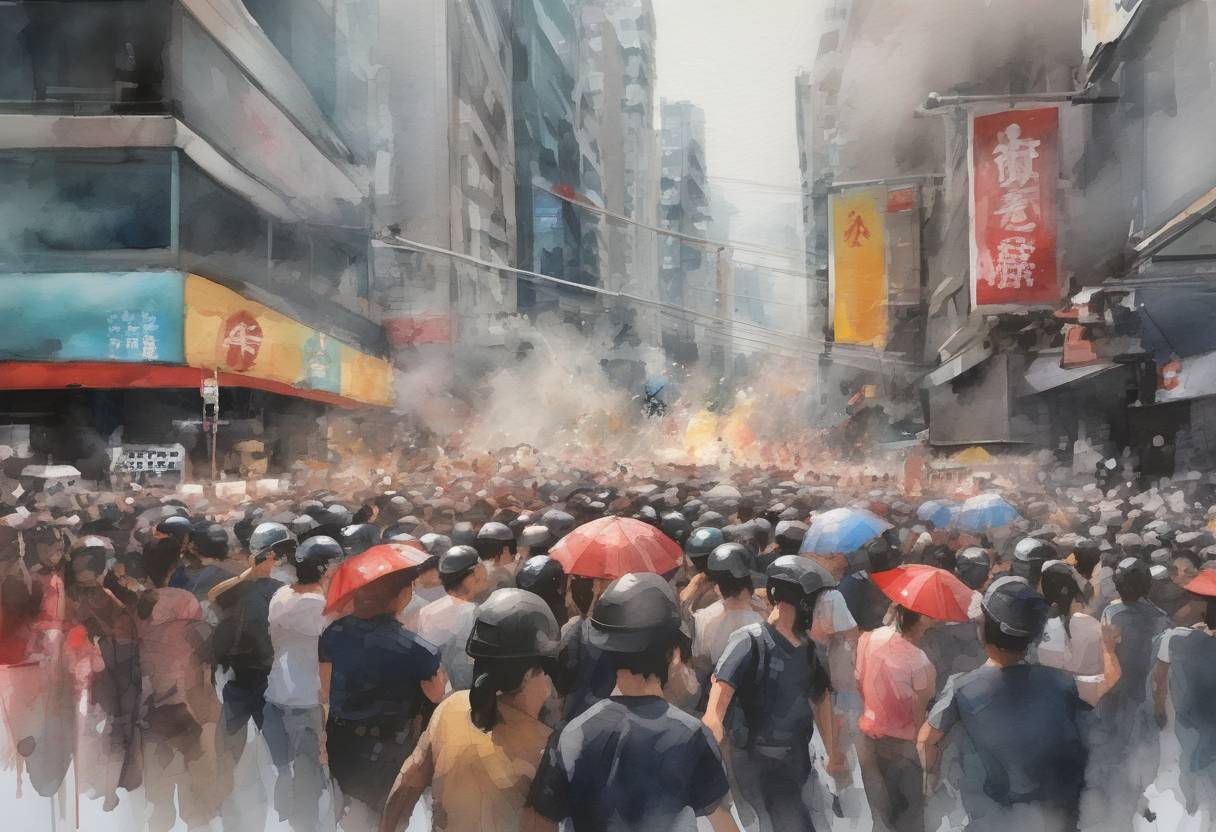
Protests in Hong Kong on August 31, 2019
On August 31, 2019, Hong Kong witnessed one of the most intense and large-scale protests against the proposed extradition bill and the increasing influence of the Chinese government. This date marked a significant escalation in the ongoing protests that had been unfolding since June 2019.
Background
The protests were initially sparked by the introduction of the Fugitive Offenders and Mutual Legal Assistance in Criminal Matters Legislation (Amendment) Bill 2019. This bill would have allowed for the extradition of individuals from Hong Kong to mainland China, Taiwan, and Macau. Critics argued that it would undermine Hong Kong’s judicial independence and could be used to target political dissidents.
Key Events on August 31, 2019
Mass Demonstrations: Thousands of protesters took to the streets, defying a police ban on the rally. The protests were part of a broader movement demanding the complete withdrawal of the extradition bill, an independent inquiry into police conduct, amnesty for arrested protesters, and universal suffrage.
Clashes with Police: The protests on this day were marked by significant clashes between demonstrators and the police. Protesters used makeshift barricades, while police responded with tear gas, water cannons, and baton charges.
Prince Edward Station Incident: One of the most controversial incidents occurred at the Prince Edward MTR station, where police were filmed storming the station and using force against protesters and passengers. This incident fueled further outrage and became a symbol of alleged police brutality.
Broader Context
The protests on August 31 were part of a larger movement that had seen millions of Hong Kong residents participate in demonstrations over the preceding months. The movement was characterized by its leaderless nature and the use of social media to organize and communicate.
Aftermath and Consequences
Withdrawal of the Bill: In response to the sustained protests, Hong Kong Chief Executive Carrie Lam announced the formal withdrawal of the extradition bill on September 4, 2019. However, this concession did not fully satisfy the protesters’ demands.
Continued Unrest: The protests continued into 2020, evolving into a broader pro-democracy movement. The events of August 31 and the subsequent actions of the police became focal points for ongoing demonstrations.
International Attention: The protests drew significant international attention, with various governments and human rights organizations expressing concern over the situation in Hong Kong and the actions of both the protesters and the authorities.
Historical Significance
The protests of 2019, including the events of August 31, highlighted the tensions between Hong Kong’s desire for greater autonomy and democratic freedoms and the Chinese government’s efforts to exert more control over the region. These events have had lasting impacts on Hong Kong’s political landscape and its relationship with mainland China.