Gunfight at the 'Draw Muhammad' Cartoon Contest in Garland, Texas
2015 · Garland, United States
A gunfight erupts at a 'Draw Muhammad' cartoon contest in Garland, Texas, resulting in the deaths of two gunmen and the injury of a security guard.
September 30, 2005
The controversial Danish newspaper Jyllands-Posten published 12 editorial cartoons depicting the Islamic prophet Muhammad, sparking global protests and debates over freedom of speech and respect for religious beliefs.
Aarhus, Denmark | Jyllands-Posten
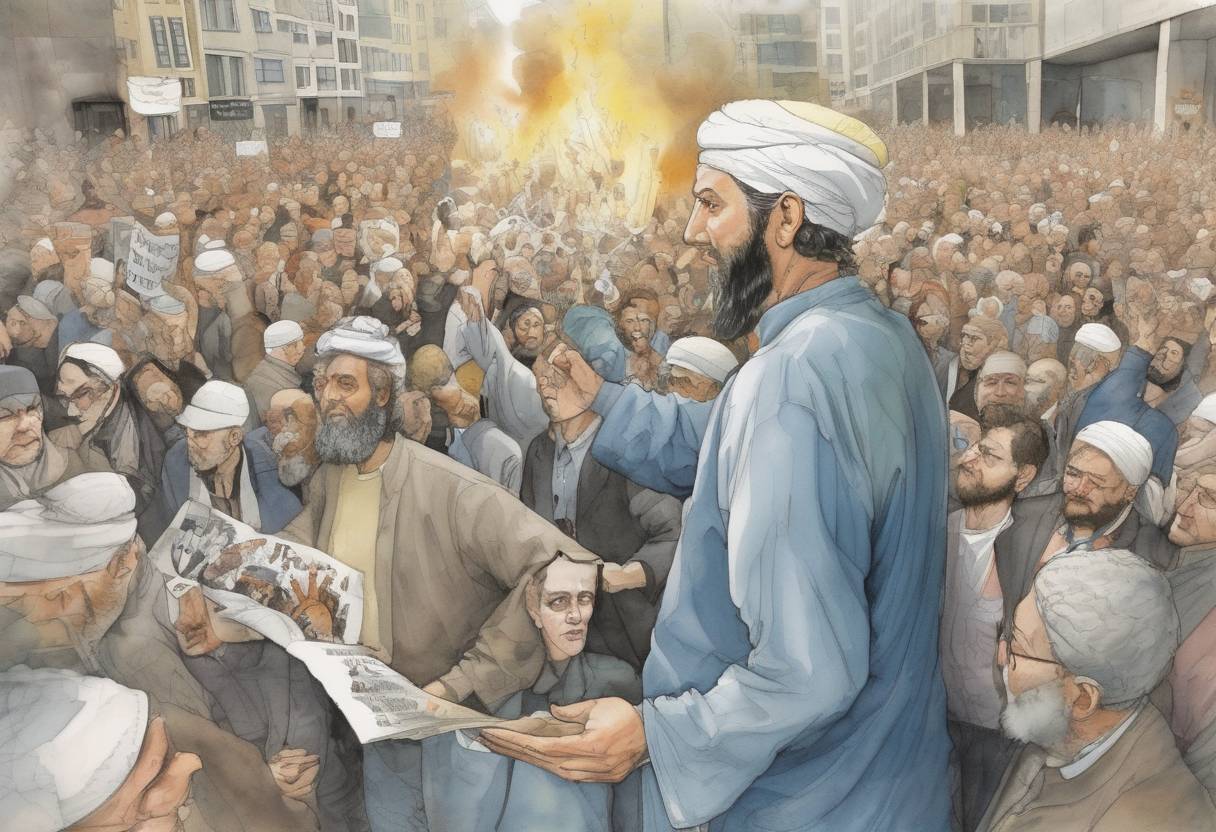
On September 30, 2005, the Danish newspaper Jyllands-Posten published 12 editorial cartoons depicting the Islamic prophet Muhammad. This publication sparked a global controversy, igniting debates over freedom of speech and respect for religious beliefs.
The cartoons were commissioned by Jyllands-Posten as part of an editorial piece discussing self-censorship and freedom of expression. The newspaper’s cultural editor, Flemming Rose, sought to explore whether artists were limiting themselves in depicting Islamic themes due to fear of violent reprisals. In Islam, visual depictions of the Prophet Muhammad are traditionally prohibited, as they are considered blasphemous.
The 12 cartoons varied in their portrayal of Muhammad, with some being more provocative than others. One of the most controversial images depicted Muhammad with a bomb in his turban, which many interpreted as equating Islam with terrorism.
Initially, the publication did not attract significant attention outside Denmark. However, as the news spread, it led to widespread outrage in the Muslim world. Danish Muslim organizations lodged complaints, and ambassadors from Islamic countries requested a meeting with the Danish Prime Minister, Anders Fogh Rasmussen, who declined, citing freedom of the press.
By early 2006, the controversy had escalated significantly:
The incident sparked a global debate on the balance between freedom of speech and respect for religious beliefs. It highlighted the cultural and political tensions between Western and Islamic societies regarding the limits of expression.
In the years following the publication, the cartoons continued to be a reference point in discussions about free speech and religious sensitivity. The controversy also had lasting impacts on Danish society, influencing debates on immigration and integration policies.
The Jyllands-Posten Muhammad cartoons controversy remains a significant event in the early 21st century, illustrating the complex interplay between media, religion, and global politics.
Source: en.wikipedia.org