The 2013 Central African Republic Conflict and the United Nations' Declaration
2013 · Bangui, Central African Republic
The United Nations declared the end of the 2013 Central African Republic conflict, although violence continued in the region.
May 3, 2002
A military coup attempt takes place in the Central African Republic, led by François Bozizé, against President Ange-Félix Patassé. The coup ultimately fails, but it sets the stage for Bozizé's successful coup in 2003.
Bangui, Central African Republic | Central African Armed Forces
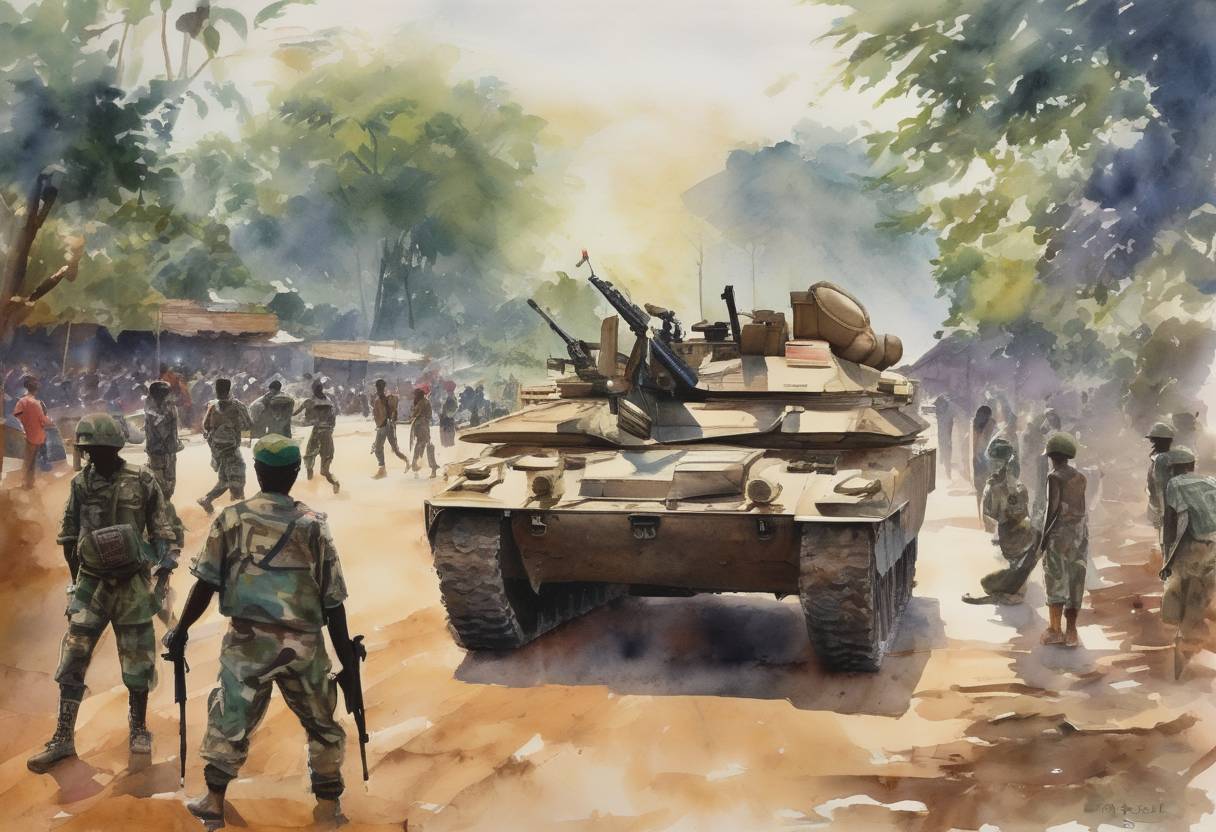
On May 3, 2002, a significant military coup attempt took place in the Central African Republic (CAR), led by General François Bozizé against the then-President Ange-Félix Patassé. This event marked a critical moment in the country’s turbulent political landscape, setting the stage for Bozizé’s eventual successful coup in 2003.
The Central African Republic, since gaining independence from France in 1960, has experienced a series of coups and political instability. Ange-Félix Patassé, who came to power in 1993, faced numerous challenges during his presidency, including economic difficulties, corruption, and internal dissent. François Bozizé, a former army chief of staff, had been dismissed by Patassé in 2001, which fueled tensions between the two leaders.
The coup attempt involved Bozizé’s forces launching an attack on the capital, Bangui, aiming to overthrow Patassé’s government. However, the attempt was ultimately unsuccessful. Patassé, with the help of Libyan troops and Congolese rebels from the Movement for the Liberation of Congo (MLC), managed to suppress the coup.
Although the coup attempt failed, it significantly weakened Patassé’s hold on power and highlighted the deep divisions within the country’s military and political elite. Bozizé fled to neighboring Chad, where he regrouped and continued to garner support for his cause.
The failed coup attempt set the stage for Bozizé’s successful coup on March 15, 2003. With the backing of Chadian forces, Bozizé’s troops marched into Bangui, overthrowing Patassé while he was attending a regional summit in Niger.
The events of May 3, 2002, underscored the fragility of the Central African Republic’s political system and the persistent challenges of governance and stability in the region. Bozizé’s eventual rise to power did not resolve these issues, as his tenure was also marked by unrest and conflict, leading to further coups and ongoing instability in the years that followed.
This period in CAR’s history is a testament to the complex interplay of internal and external forces that have shaped the nation’s political trajectory, with lasting implications for its development and regional relations.
Source: www.bbc.com