The Assassination of Daphne Caruana Galizia
On October 16, 2017, Daphne Caruana Galizia, a prominent Maltese journalist renowned for her investigative reporting on corruption, was tragically killed by a car bomb near her home in Bidnija, Malta. Her assassination sent shockwaves across the globe, igniting widespread condemnation and demands for justice.
Background
Daphne Caruana Galizia was a fearless journalist and blogger who dedicated her career to uncovering corruption, money laundering, and organized crime in Malta. Her blog, “Running Commentary,” was one of the most widely read in the country, and she was instrumental in exposing the Panama Papers’ links to Maltese politicians. Her work often put her at odds with powerful figures, making her a target of numerous threats and lawsuits.
The Event
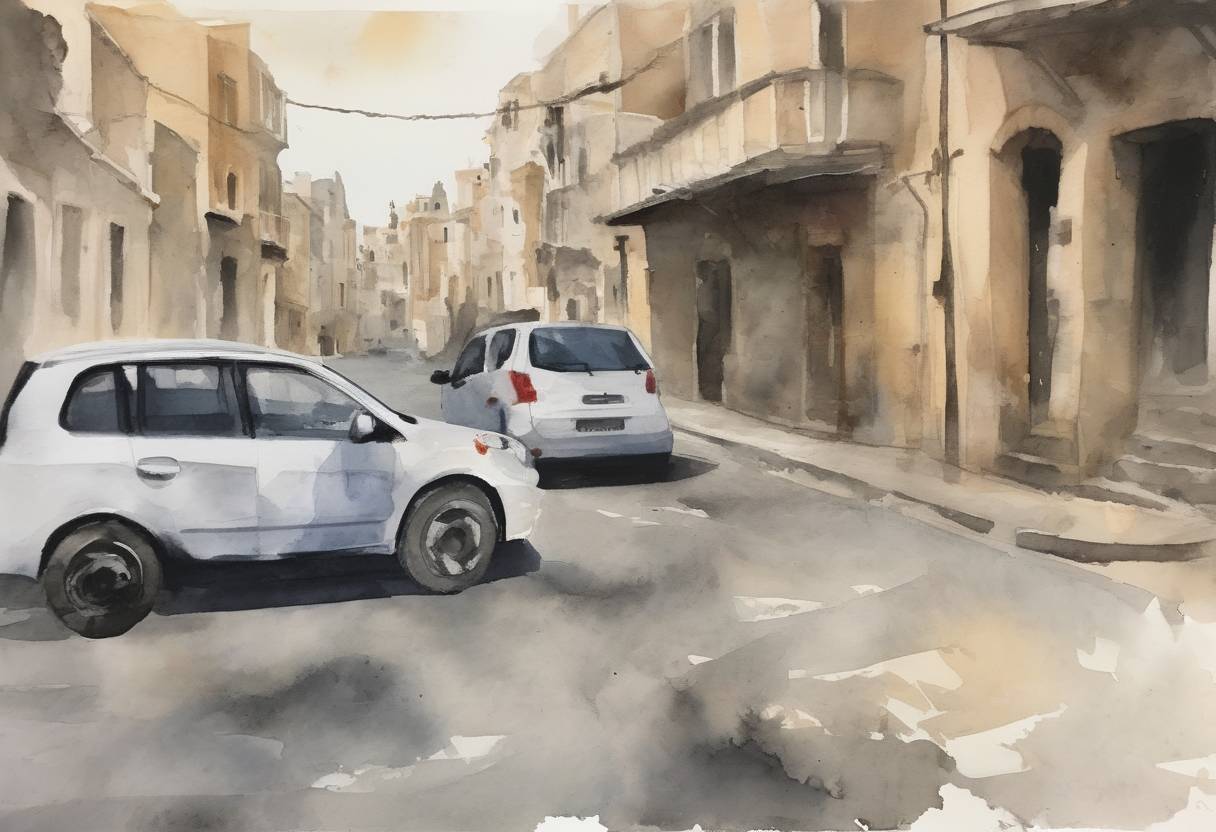
On the afternoon of October 16, 2017, Caruana Galizia left her home in her Peugeot 108. Shortly after, a powerful explosion destroyed her vehicle, killing her instantly. The attack was a calculated assassination, executed with a car bomb that was remotely detonated.
International Reaction
The murder of Daphne Caruana Galizia drew immediate and intense international attention. It was seen as an attack on press freedom and the rule of law. The European Union, various international organizations, and numerous governments condemned the assassination, calling for a thorough and transparent investigation.
- European Parliament: Held a moment of silence and later passed a resolution urging Maltese authorities to ensure justice.
- Reporters Without Borders: Highlighted the dangers faced by journalists worldwide and called for better protection measures.
- United Nations: Expressed concern over the safety of journalists and the need to uphold freedom of expression.
Investigation and Aftermath
The investigation into Caruana Galizia’s murder was fraught with challenges and controversies. Initial arrests were made in December 2017, leading to the indictment of three men accused of planting the bomb. However, the case revealed deeper layers of corruption and complicity within Malta’s political and business elite.
In 2019, businessman Yorgen Fenech was arrested and charged with complicity in the murder, further implicating high-ranking officials and leading to political upheaval in Malta. The case prompted the resignation of Prime Minister Joseph Muscat in January 2020, amid allegations of interference in the investigation.
Broader Significance
Daphne Caruana Galizia’s assassination underscored the perilous conditions faced by investigative journalists, particularly those challenging entrenched power structures. Her death became a rallying point for advocates of press freedom and anti-corruption efforts worldwide.
The ongoing pursuit of justice for Caruana Galizia continues to be a litmus test for Malta’s commitment to transparency and accountability. Her legacy endures through the continued efforts to uphold the principles she championed and the ongoing investigations into the corruption she tirelessly exposed.