Assassination of Akhmad Kadyrov - May 9, 2004
2004 · Grozny, Russia
Chechen President Akhmad Kadyrov was assassinated in a bomb attack during a World War II memorial parade in Grozny.
December 28, 2002
The Chechen Republic of Ichkeria's President, Aslan Maskhadov, declared a unilateral ceasefire in the ongoing conflict with Russia, aiming to initiate peace talks.
Grozny, Chechnya | Chechen Republic of Ichkeria
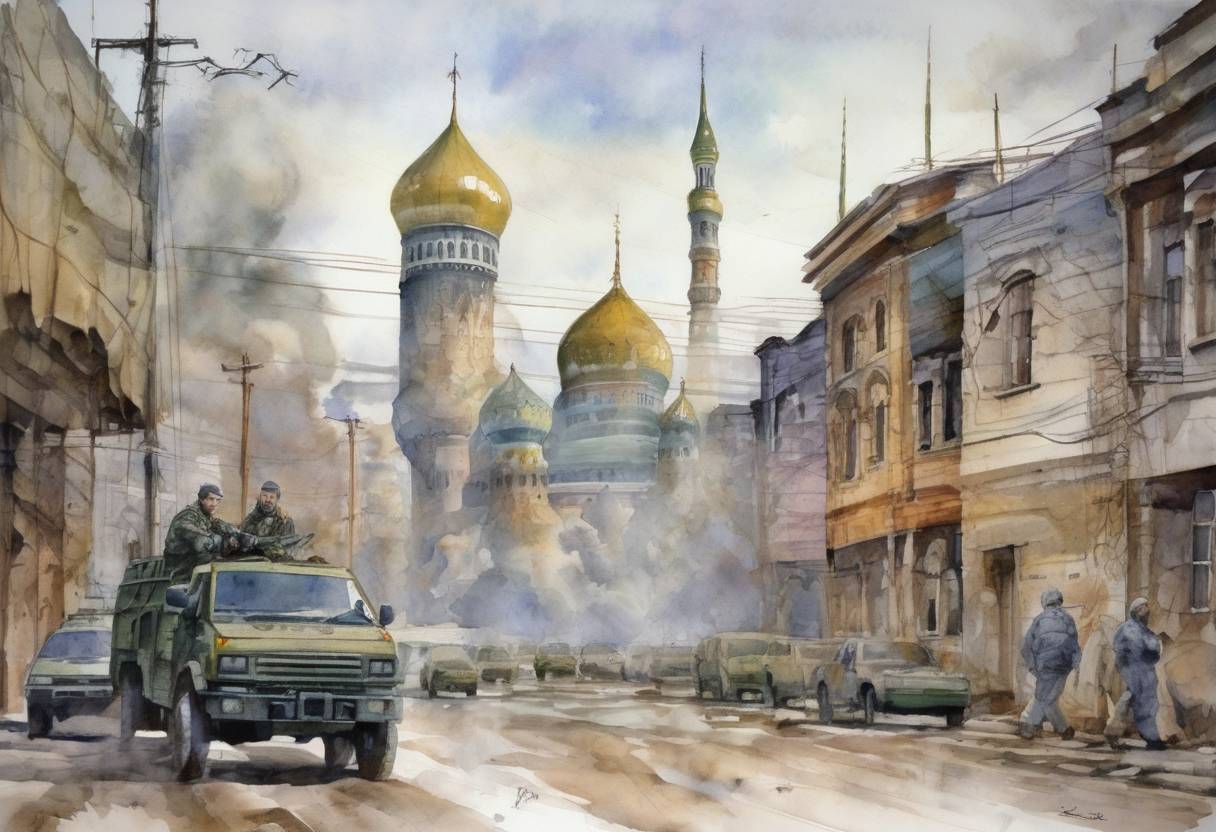
On December 28, 2002, Aslan Maskhadov, the President of the self-proclaimed Chechen Republic of Ichkeria, declared a unilateral ceasefire in the ongoing conflict with Russia. This move was a significant attempt to initiate peace talks and bring an end to the hostilities that had plagued the region for years.
Chechen Wars: The declaration came during the Second Chechen War, which began in 1999 when Russian forces re-entered Chechnya following a period of de facto independence after the First Chechen War (1994-1996). The conflict was marked by severe violence, human rights abuses, and significant loss of life on both sides.
Aslan Maskhadov: Elected as President of Chechnya in 1997, Maskhadov was a key figure in the Chechen independence movement. He was seen as a moderate leader who sought a peaceful resolution to the conflict, contrasting with more radical elements within Chechnya.
Objective: Maskhadov’s ceasefire was intended to create a conducive environment for peace negotiations with the Russian government. It was a gesture aimed at demonstrating the Chechen leadership’s willingness to engage in dialogue and find a political solution to the conflict.
Response: The Russian government, led by President Vladimir Putin, was skeptical of Maskhadov’s intentions. The Kremlin viewed him and his administration as illegitimate and often associated them with terrorist activities, despite Maskhadov’s repeated denouncements of terrorism.
Limited Impact: Unfortunately, the ceasefire did not lead to immediate peace talks or a reduction in violence. The Russian government continued its military operations in Chechnya, and sporadic fighting persisted.
Continued Conflict: The conflict in Chechnya continued for several more years, with the Russian government eventually establishing a pro-Moscow government in the region. Maskhadov remained a fugitive until his death in 2005 during a Russian military operation.
Long-term Effects: The Chechen conflict had lasting impacts on Russian domestic policy and its approach to separatist movements. It also influenced global perceptions of Russia’s handling of internal conflicts and counter-terrorism efforts.
The unilateral ceasefire declared by Aslan Maskhadov highlighted the complexities of the Chechen conflict and the challenges of negotiating peace in a region marked by deep-seated grievances and mistrust. It underscored the difficulties faced by moderate leaders in conflict zones and the often harsh realities of geopolitical power dynamics. Despite its limited success, the ceasefire remains a notable attempt at peace in the turbulent history of Chechnya.
Source: www.bbc.com