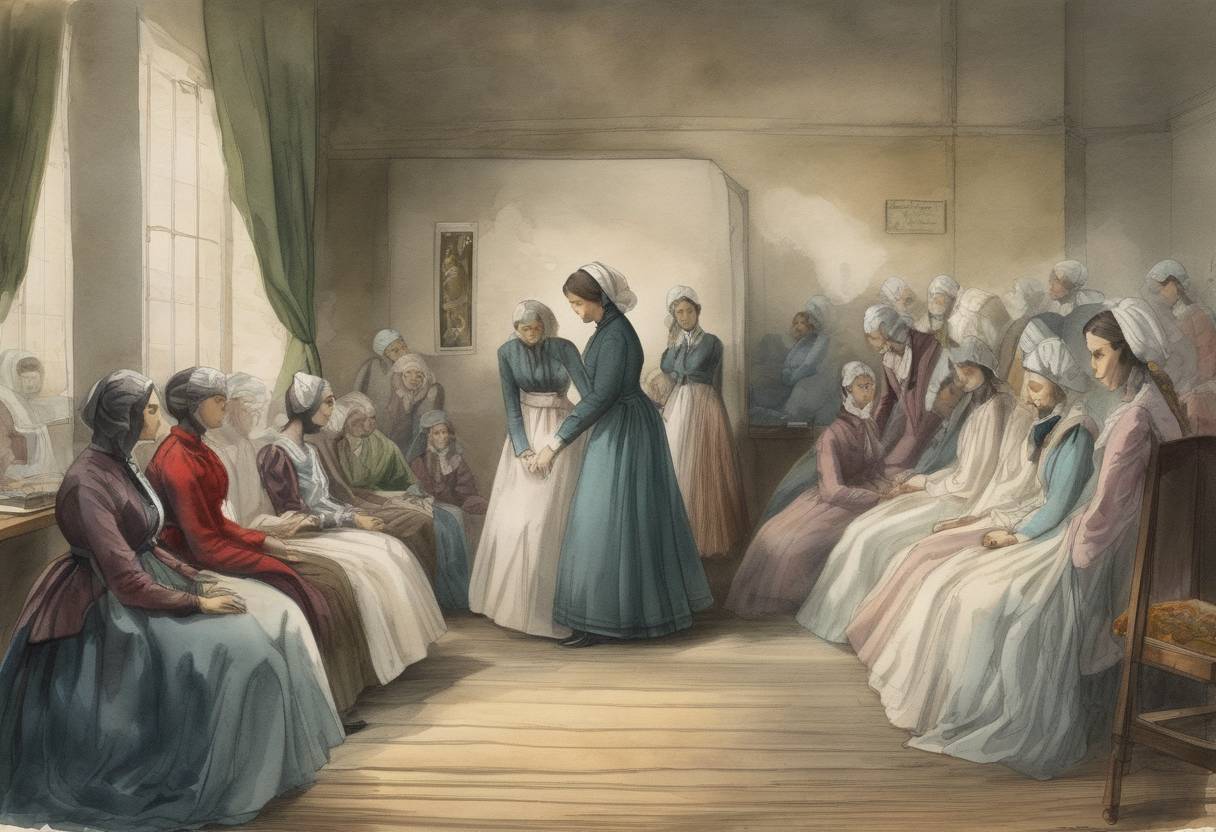
Florence Nightingale and the Crimean War: October 21, 1854
On October 21, 1854, Florence Nightingale, along with a team of 38 nurses, embarked on a significant mission to the Crimean War, marking a pivotal moment in the history of nursing and medical care.
Context and Background
The Crimean War (1853-1856) was a conflict in which the Ottoman Empire, allied with Britain, France, and Sardinia, fought against the Russian Empire. The war is infamous for its poor conditions and high mortality rates among soldiers, largely due to inadequate medical facilities and unsanitary conditions.
Florence Nightingale, born in 1820 in Florence, Italy, was a pioneering figure in nursing. She was deeply committed to improving sanitary conditions and healthcare practices. Her efforts were recognized by the British government, which requested her assistance in addressing the dire medical situation in Crimea.
The Journey to Crimea
Nightingale and her team of nurses departed from England on October 21, 1854, and arrived at the British base hospital in Scutari (modern-day Üsküdar, Istanbul) in November. The conditions they encountered were appalling, with overcrowded hospitals, insufficient supplies, and rampant disease.
Nightingale’s Impact
Florence Nightingale implemented several crucial changes:
- Sanitation Improvements: She prioritized cleanliness, ensuring that the hospitals were scrubbed and ventilated, which significantly reduced the spread of infections.
- Organizational Reforms: Nightingale reorganized the hospital’s structure, improving the efficiency of care and the distribution of supplies.
- Data and Statistics: She meticulously collected data on mortality rates and used statistical analysis to advocate for healthcare reforms.
Her efforts drastically reduced the death rate among wounded soldiers from approximately 42% to 2%, showcasing the importance of hygiene and proper medical care.
Legacy and Significance
Florence Nightingale’s work during the Crimean War laid the foundation for modern nursing. Her emphasis on sanitation, patient care, and the use of statistics in healthcare had a lasting impact on medical practices worldwide. She later established the Nightingale Training School for Nurses in London in 1860, further professionalizing nursing as a career.
Nightingale’s legacy endures, and she is often referred to as “The Lady with the Lamp,” a testament to her tireless work and compassionate care during one of history’s challenging military conflicts. Her contributions have been instrumental in shaping the field of nursing and improving healthcare standards globally.