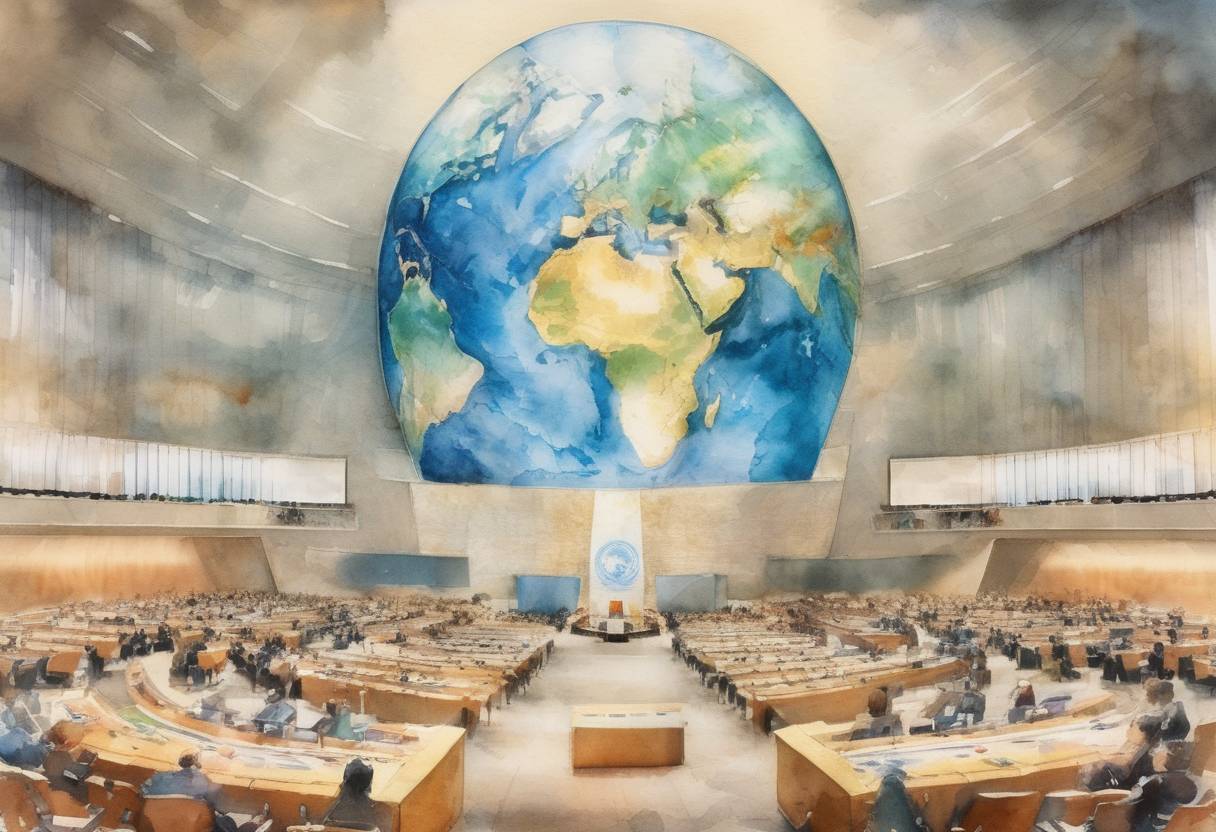
The Adoption of the 2030 Agenda for Sustainable Development
On September 25, 2015, the United Nations General Assembly adopted the 2030 Agenda for Sustainable Development, a landmark framework aimed at addressing global challenges and promoting sustainable development worldwide. This agenda includes 17 Sustainable Development Goals (SDGs), which serve as a universal call to action to end poverty, protect the planet, and ensure prosperity for all by 2030.
Context and Background
The 2030 Agenda was developed as a successor to the Millennium Development Goals (MDGs), which were established in 2000 with a target completion date of 2015. While the MDGs achieved significant progress in areas such as reducing extreme poverty and improving access to education, they were critiqued for their limited scope and lack of inclusivity.
In response, the United Nations initiated a comprehensive and inclusive process to create a new set of goals that would address a broader range of issues and involve all countries in a shared commitment to sustainable development. This process involved extensive consultations with governments, civil society, and other stakeholders worldwide.
Key Features of the 2030 Agenda
17 Sustainable Development Goals (SDGs): The SDGs cover a wide array of issues, including poverty, hunger, health, education, gender equality, clean water and sanitation, affordable and clean energy, decent work and economic growth, industry and innovation, reduced inequalities, sustainable cities, responsible consumption and production, climate action, life below water, life on land, peace and justice, and partnerships for the goals.
169 Targets: Each goal is accompanied by specific targets, totaling 169, which provide a detailed framework for measuring progress and guiding implementation efforts.
Universal and Inclusive: Unlike the MDGs, the SDGs are designed to be universal, applying to all countries regardless of their level of development. They emphasize inclusivity, aiming to “leave no one behind.”
Integration and Balance: The agenda seeks to balance the three dimensions of sustainable development: economic, social, and environmental. It recognizes the interconnectedness of these dimensions and the need for integrated solutions.
Significance and Impact
The adoption of the 2030 Agenda marked a significant milestone in international cooperation and commitment to sustainable development. It provided a comprehensive blueprint for addressing the world’s most pressing challenges and set a shared vision for the future.
Implementation and Challenges
The success of the SDGs relies heavily on the commitment and collaboration of governments, businesses, civil society, and individuals. While progress has been made in various areas, challenges such as resource mobilization, political will, and the need for innovative solutions remain.
Global Efforts and Initiatives
Since its adoption, numerous initiatives and partnerships have been launched to support the implementation of the SDGs. These efforts include financing mechanisms, data collection and monitoring systems, and capacity-building programs to assist countries in achieving their targets.
Conclusion
The 2030 Agenda for Sustainable Development represents a transformative vision for a more equitable and sustainable world. As the international community continues to work towards these ambitious goals, the agenda serves as a guiding framework for collective action and progress in addressing global challenges.