Installation of the World's First ATM
1967 · Enfield, United Kingdom
The world's first ATM was installed in Enfield, London, by Barclays Bank, revolutionizing banking by allowing customers to withdraw cash without the need for a teller.
September 2, 1969
The first automatic teller machine (ATM) in the United States was installed in Rockville Centre, New York.
Rockville Centre, United States | Chemical Bank
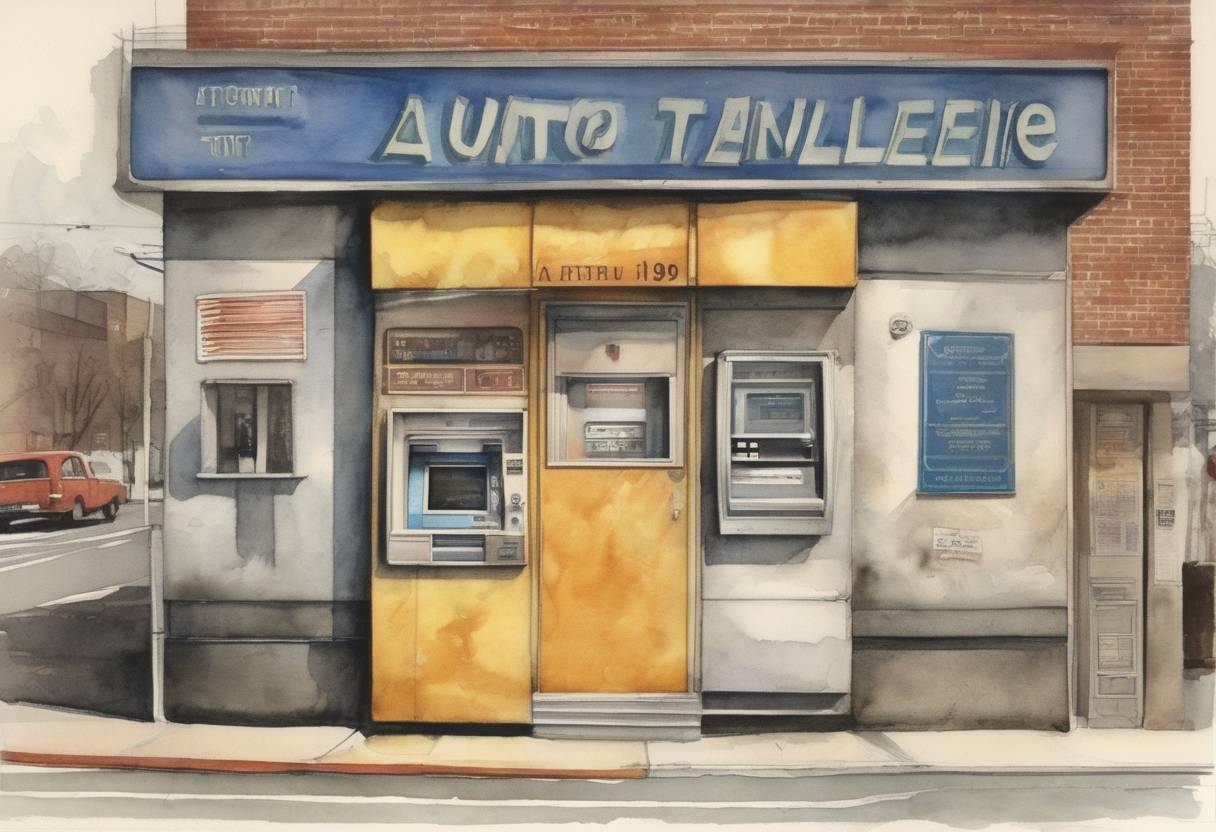
On September 2, 1969, the first automatic teller machine (ATM) in the United States was installed in Rockville Centre, New York. This marked a significant milestone in the evolution of banking technology, revolutionizing how people accessed their money and conducted financial transactions.
Development of ATMs: The concept of an ATM was developed to provide customers with 24⁄7 access to their bank accounts, allowing them to perform basic transactions without the need for a human teller. The first ATM was installed in London in 1967 by Barclays Bank, designed by John Shepherd-Barron.
Introduction to the U.S.: The introduction of ATMs in the United States was driven by the need for more efficient banking services. Chemical Bank, now part of JPMorgan Chase, was the first to install an ATM in the U.S., recognizing the potential for these machines to transform banking practices.
Functionality: The initial ATMs were relatively simple compared to modern machines. They primarily allowed customers to withdraw a fixed amount of cash using a special paper voucher, as plastic ATM cards were not yet in use.
Location: The first ATM was strategically placed in Rockville Centre, a suburban area of New York, to test customer response and the machine’s reliability in a real-world setting.
Customer Convenience: The introduction of ATMs provided unprecedented convenience for bank customers, enabling them to access cash outside of traditional banking hours.
Banking Evolution: The success of the first ATM led to widespread adoption across the United States and eventually the world, fundamentally changing the landscape of personal banking.
Technological Advancements: Over time, ATMs evolved to include a wide range of services, such as deposits, transfers, and bill payments, becoming an integral part of the banking infrastructure.
Expansion: Following the successful implementation in Rockville Centre, banks across the country began installing ATMs, leading to a rapid expansion of the network.
Innovation: The ATM’s introduction spurred further innovations in banking technology, including the development of secure ATM cards and enhanced security features.
Cultural Shift: The convenience and accessibility of ATMs contributed to a cultural shift towards self-service banking, influencing customer expectations and banking practices globally.
The installation of the first ATM in the United States on September 2, 1969, was a pivotal moment in banking history, setting the stage for the modern, technology-driven financial services industry we know today.
Source: en.wikipedia.org