The 1995 Government Shutdown: A Budget Standoff
1995 · Washington, D.C., United States
A budget standoff between President Bill Clinton and the Republican-controlled Congress results in a temporary government shutdown in the United States.
November 30, 1993
The Brady Handgun Violence Prevention Act was signed into law by U.S. President Bill Clinton, instituting federal background checks on firearm purchasers in the United States.
Washington, D.C., United States | U.S. Government
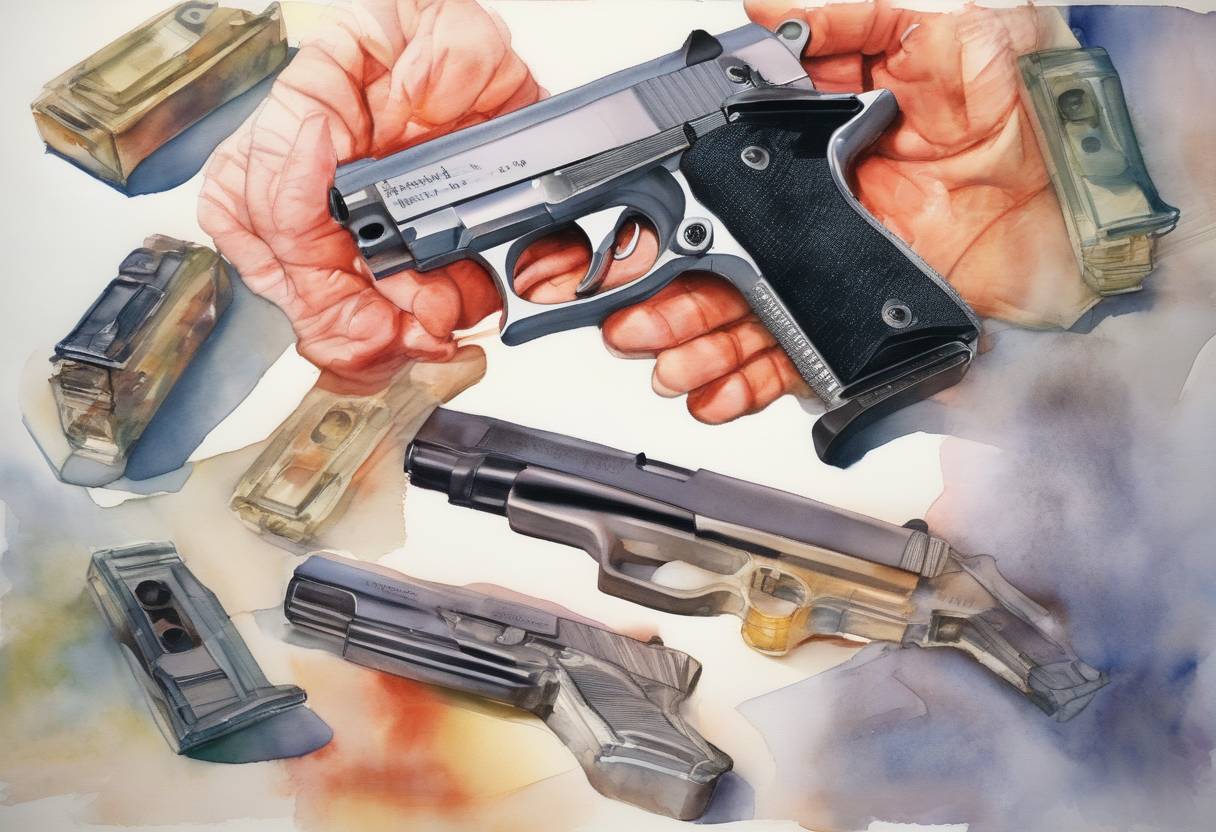
On November 30, 1993, U.S. President Bill Clinton signed into law the Brady Handgun Violence Prevention Act, commonly known as the Brady Bill. This significant piece of legislation mandated federal background checks on firearm purchasers in the United States and imposed a five-day waiting period on purchases, until the National Instant Criminal Background Check System (NICS) was implemented in 1998.
The Brady Bill is named after James Brady, the White House Press Secretary who was severely wounded during an assassination attempt on President Ronald Reagan in 1981. The incident highlighted the need for stricter gun control measures, as the shooter, John Hinckley Jr., had acquired his firearm through a private sale without a background check.
The signing of the Brady Bill represented a pivotal moment in U.S. legislative history, reflecting growing public concern over gun violence and the demand for federal action. It set a precedent for future gun control measures and continues to influence discussions on balancing Second Amendment rights with public safety concerns.
The Brady Handgun Violence Prevention Act of 1993 was a landmark law that established federal background checks for firearm purchases, significantly impacting gun control policy in the United States. Its legacy endures in the ongoing efforts to address gun violence and improve public safety through legislative means.
Source: en.wikipedia.org