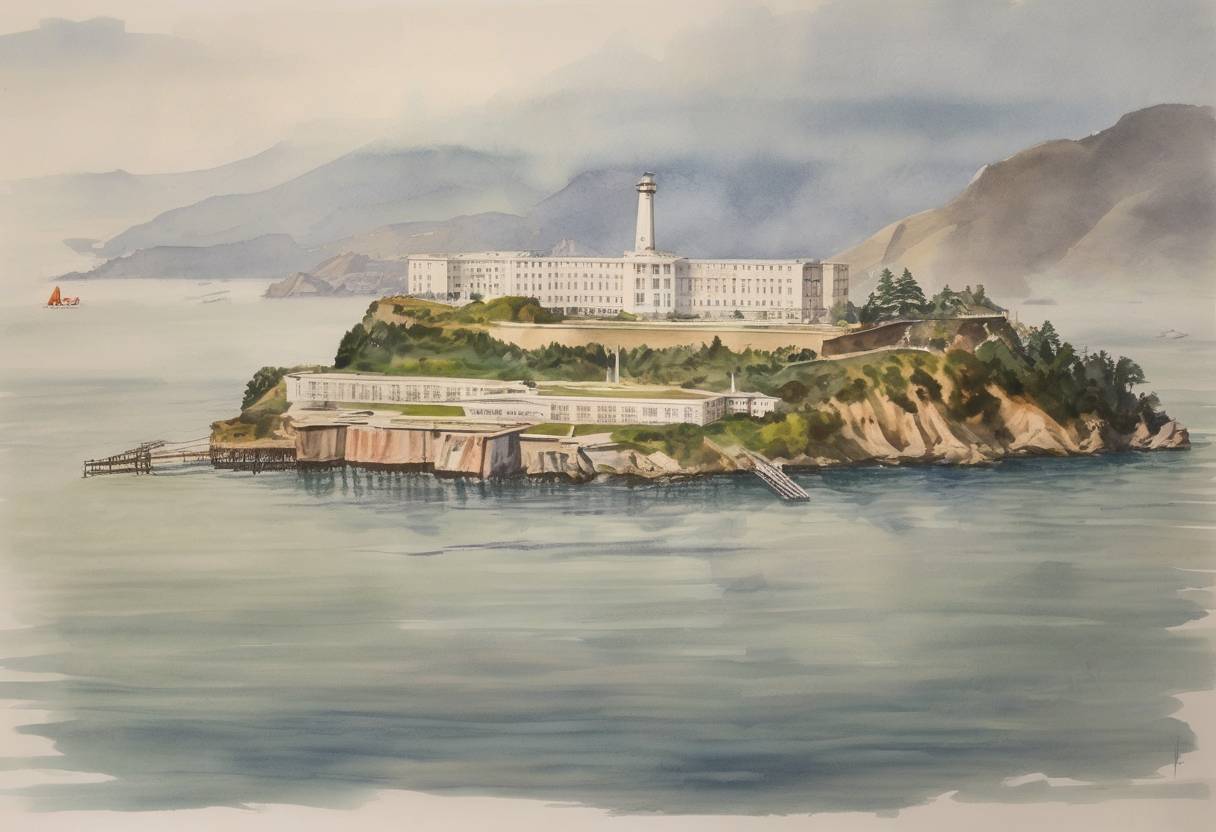
The Occupation of Alcatraz Island by Indians of All Tribes
On November 20, 1969, a group of Native American activists, known as the Indians of All Tribes, began a significant occupation of Alcatraz Island, located in San Francisco Bay. This event marked a pivotal moment in the Native American civil rights movement, lasting for 19 months and drawing attention to the struggles and rights of Indigenous peoples in the United States.
Background
The occupation was rooted in a broader context of Native American activism during the 1960s, a period characterized by a growing demand for civil rights and social justice across various marginalized communities in the United States. The Native American movement sought to address issues such as treaty rights, sovereignty, and the federal government’s failure to honor agreements with Indigenous tribes.
The choice of Alcatraz Island was symbolic. The island, once home to a federal prison, was declared surplus federal property in 1963. According to the 1868 Treaty of Fort Laramie, surplus federal land was supposed to be returned to Native Americans. The activists aimed to reclaim the land and establish a cultural center and university dedicated to Native American studies.
The Occupation
The occupation began when a group of approximately 89 Native Americans, including students, activists, and families, landed on Alcatraz Island. They issued a proclamation that humorously offered to buy the island for $24 in glass beads and red cloth, referencing the historical purchase of Manhattan Island. The proclamation highlighted the poor living conditions on reservations and the need for self-determination.
The occupiers, led by figures such as Richard Oakes, LaNada Means, and John Trudell, established a community on the island. They organized educational programs, cultural events, and maintained a radio broadcast to communicate their message. The occupation attracted widespread media attention and garnered support from various civil rights groups and celebrities.
Government Response and Aftermath
The U.S. government initially adopted a policy of non-interference, hoping the occupation would end without confrontation. However, as the occupation continued, the government cut off electricity and water supplies to the island. Despite these challenges, the occupiers remained resilient.
The occupation ended on June 11, 1971, when federal marshals removed the remaining activists from the island. Although the immediate goals of the occupation were not realized, it had a lasting impact on Native American activism. It raised awareness about Indigenous issues and inspired subsequent actions, such as the Trail of Broken Treaties in 1972 and the establishment of the American Indian Movement (AIM).
Significance
The occupation of Alcatraz Island is considered a landmark event in the history of Native American activism. It brought national attention to the plight of Indigenous peoples and their demands for justice and self-determination. The event also contributed to policy changes, including the passage of the Indian Self-Determination and Education Assistance Act of 1975, which allowed tribes more control over their affairs.
In summary, the occupation of Alcatraz Island by the Indians of All Tribes was a bold assertion of Native American rights and identity. It remains a powerful symbol of resistance and a reminder of the ongoing struggle for Indigenous sovereignty and equality.