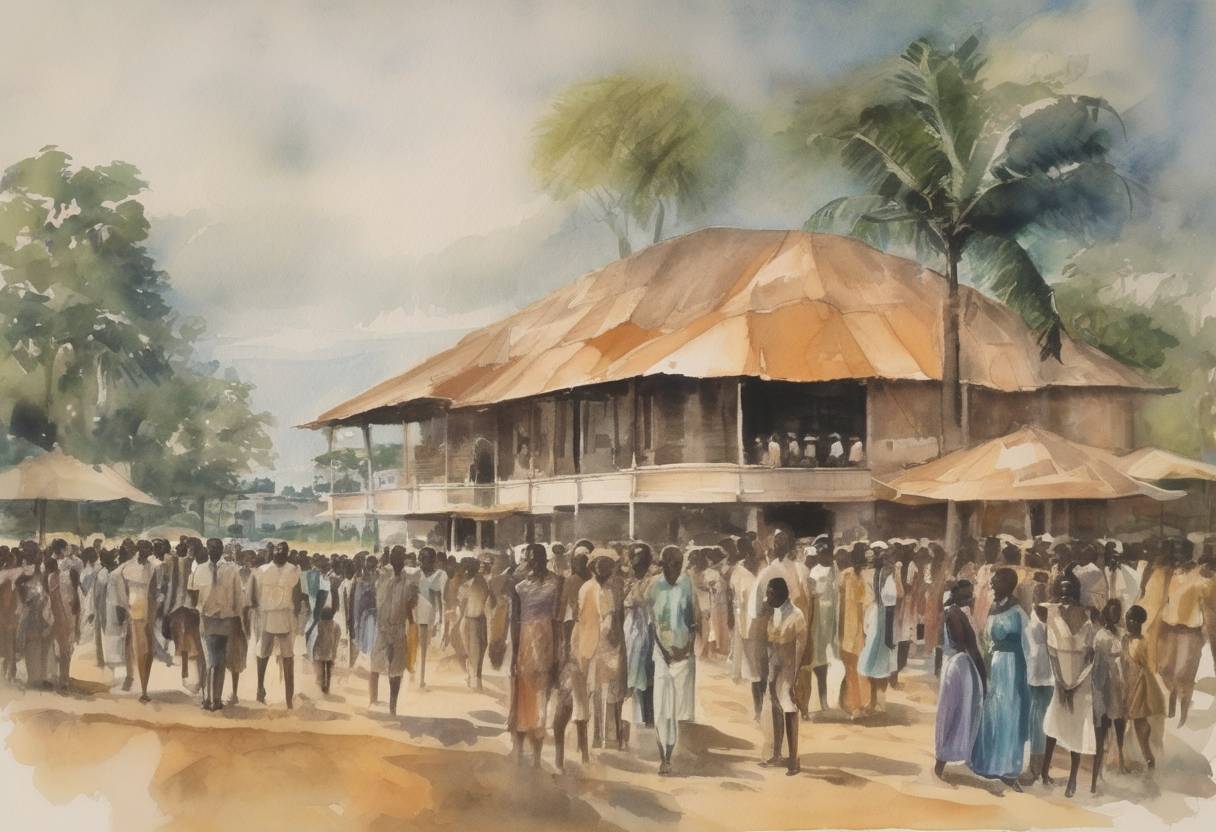
Tanganyika Gains Independence from the United Kingdom
On December 9, 1961, Tanganyika, a territory in East Africa, achieved independence from British colonial rule. This marked a significant milestone in the decolonization of Africa, as Tanganyika became the first East African country to gain independence.
Historical Context
- Colonial Background: Tanganyika was originally part of German East Africa. After World War I, the League of Nations mandated the territory to British administration.
- Path to Independence: The movement towards independence was largely peaceful, spearheaded by the Tanganyika African National Union (TANU), founded in 1954 by Julius Nyerere. TANU advocated for self-governance and was instrumental in negotiating the transition from colonial rule.
Key Events Leading to Independence
- 1958-1959 Elections: Tanganyika held its first elections, which were pivotal in establishing a representative government. TANU won a significant majority, setting the stage for further negotiations with the British.
- Constitutional Talks: In 1960, constitutional talks in London paved the way for self-governance. Julius Nyerere became the Chief Minister and later the Prime Minister of Tanganyika.
Independence Day
- December 9, 1961: Tanganyika officially became an independent nation within the Commonwealth. Julius Nyerere became the first Prime Minister, and later, in 1962, he became the first President when Tanganyika became a republic.
Aftermath and Significance
- Formation of Tanzania: In 1964, Tanganyika united with the island of Zanzibar, which had also gained independence, to form the United Republic of Tanzania. This union was significant in fostering unity and stability in the region.
- Legacy of Julius Nyerere: Nyerere’s leadership was characterized by his vision of African socialism, known as Ujamaa, which aimed to build a self-reliant and equitable society.
Broader Historical Impact
- Decolonization in Africa: Tanganyika’s peaceful transition to independence served as a model for other African nations. It highlighted the possibility of achieving sovereignty through negotiation and political processes.
- Commonwealth Relations: As a member of the Commonwealth, Tanganyika maintained diplomatic and economic ties with the UK and other former colonies, contributing to a network of cooperation and development.
Tanganyika’s independence was a pivotal moment in African history, symbolizing the broader movement towards self-determination and the end of colonial rule across the continent.